













Why the Internet Is Comparing ‘Blink Twice’ to Epstein Island Allegations !
Prime Vista News
Social media users are drawing parallels between the 2024 film Blink Twice and Jeffrey Epstein’s private island, citing resurfaced emails and fictional plot elements involving memory-altering plants.
A year after its release, the 2024 psychological thriller Blink Twice has found itself at the centre of a renewed online debate. Social media users are drawing comparisons between the film’s fictional private island and the real-world case of convicted sex offender Jeffrey Epstein, reigniting discussion about power, secrecy and accountability among elites.
The film, directed by Zoë Kravitz, follows Frida, a cocktail waitress invited to an exclusive island owned by billionaire tech entrepreneur Slater King. What begins as an opulent getaway gradually unravels into a story of control and exploitation. Women on the island experience blackouts, unexplained injuries and fragmented memories. As the narrative unfolds, they realize they have been drugged and assaulted without consent.
At the centre of the plot is a perfume derived from flowers grown on the island. The scent erases memory, allowing abuse to continue undetected. Later in the film, exposure to snake venom restores those memories, triggering a violent reckoning.
When Blink Twice was first released, critics described it as a sharp commentary on gendered power structures and unchecked privilege. Parallels to real-world scandals were noted but largely framed as thematic rather than specific.
That conversation has shifted.
The Resurfaced Emails
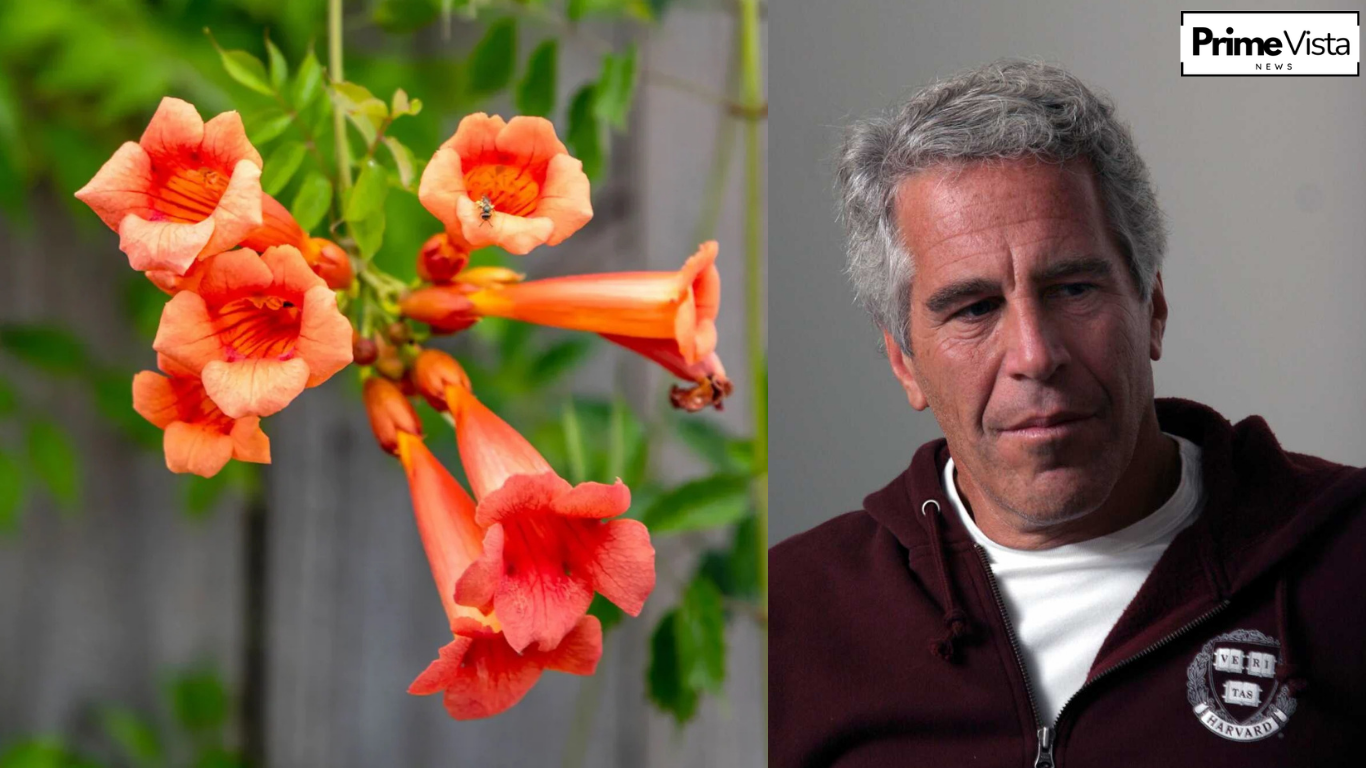
Online scrutiny intensified after renewed attention to publicly reported emails connected to Epstein’s network. Among them are messages referencing “trumpet plants” grown in a nursery. In one forwarded email dated January 27, 2015, an article discussing scopolamine a substance described as capable of rendering individuals highly suggestible was shared. Another email, dated March 3, 2014, reportedly sent by Epstein, mentioned “my trumpet plants at nursery.”
The term “trumpet plants” commonly refers to Brugmansia or Datura, flowering plants known for large, trumpet-shaped blooms. These plants contain tropane alkaloids such as scopolamine, atropine and hyoscyamine. While scopolamine has recognised medical uses in controlled doses, high exposure can lead to confusion, hallucinations and severe memory impairment. All parts of these plants are toxic.
It is this botanical detail that has prompted social media users to draw connections with the fictional flower-derived substance in Blink Twice.
Fiction and Interpretation
There is no evidence that the film depicts real events or is directly based on Epstein’s case. The narrative device of memory alteration through a plant-based compound operates within a fictional framework. However, viewers argue that the overlap between the concept of toxic plants affecting cognition and documented references to trumpet plants has made the storyline feel uncomfortably close to reality.
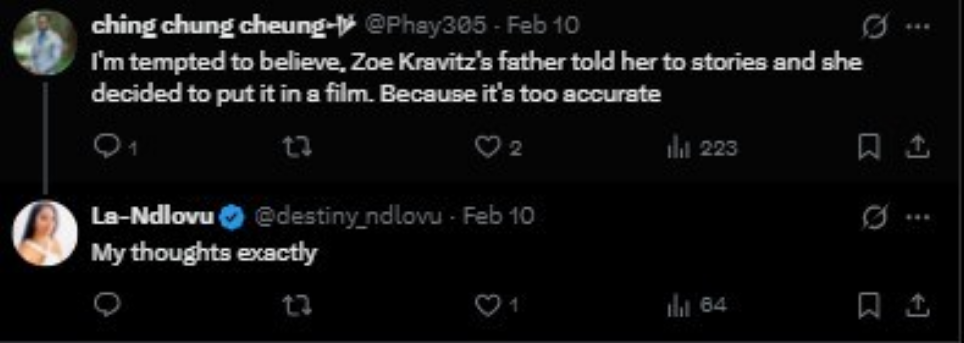
Posts across platforms such as X and Instagram have highlighted side-by-side comparisons, with some users suggesting the film reflects hidden truths about elite misconduct. Others caution that the similarities may reflect broader cultural awareness of patterns involving wealth, isolation and alleged abuse rather than a direct link to any individual.
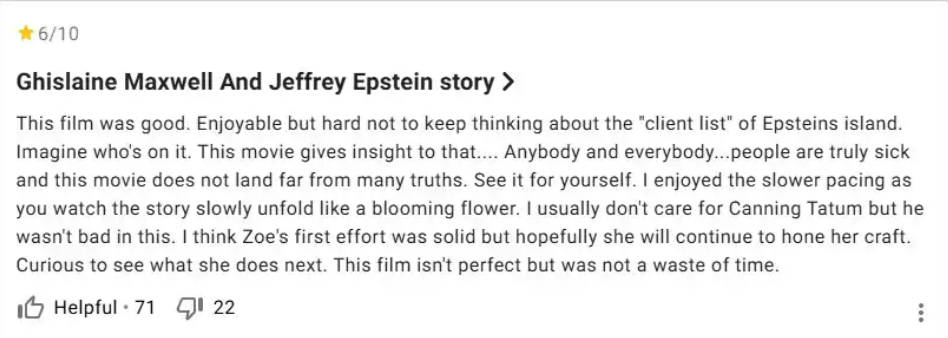
Notably, some audience reviews from 2024 had already pointed to thematic echoes of the Epstein case before the recent resurfacing of the email references.
A Broader Context of Power and Isolation
Beyond Epstein, online discussion has widened to include other high-profile cases involving powerful figures and secluded estates. The recurring themes private islands, limited oversight and environments shielded from public scrutiny have become part of a larger cultural vocabulary about systemic abuse.
In Blink Twice, the island functions as a sealed ecosystem. Access is controlled. Information is restricted. Consequences appear absent until memory returns. That structural portrayal mirrors public concerns seen in several real-world allegations involving influential individuals.
At the same time, film analysts note that stories about hidden wrongdoing in elite spaces are not new. Literature and cinema have long used isolated settings to explore questions of power and morality.
Earlier Coverage : Anushka Sharma’s Simple Suit and Tulsi Mala at Mumbai Airport Reflect Changing Bollywood Fashion Trends
Coincidence or Cultural Mirror?
In a post-Epstein era, any narrative involving a billionaire’s private island is likely to invite scrutiny. What distinguishes the current debate is the convergence of two elements: a fictional story centred on memory-altering flowers and renewed online attention to documented references involving toxic plants.
Whether the resemblance is coincidental or reflective of shared cultural anxieties, the reaction underscores a broader discomfort. Fiction often draws from the fears and realities of its time. When those fears involve secrecy, influence and impunity, the line between imagination and lived experience can feel thin.
For now, Blink Twice remains a work of fiction. But the intensity of the online response suggests that audiences are viewing it through the lens of real-world events that continue to shape public consciousness.