











What’s Wrong With Abhishek Sharma at T20 World Cup 2026? Sunil Gavaskar Says He’s ‘Very Predictable’ !
Prime Vista News
Sunil Gavaskar analyses Abhishek Sharma’s struggles at the ICC Men’s T20 World Cup 2026, saying expectations and a predictable approach have led to three consecutive ducks.
Few players arrived at the ICC Men’s T20 World Cup 2026 with as much anticipation as Abhishek Sharma. Ranked the world’s No. 1 T20I batter and widely regarded as one of India’s most destructive power-hitters, Sharma was expected to define India’s tempo at the top of the order.
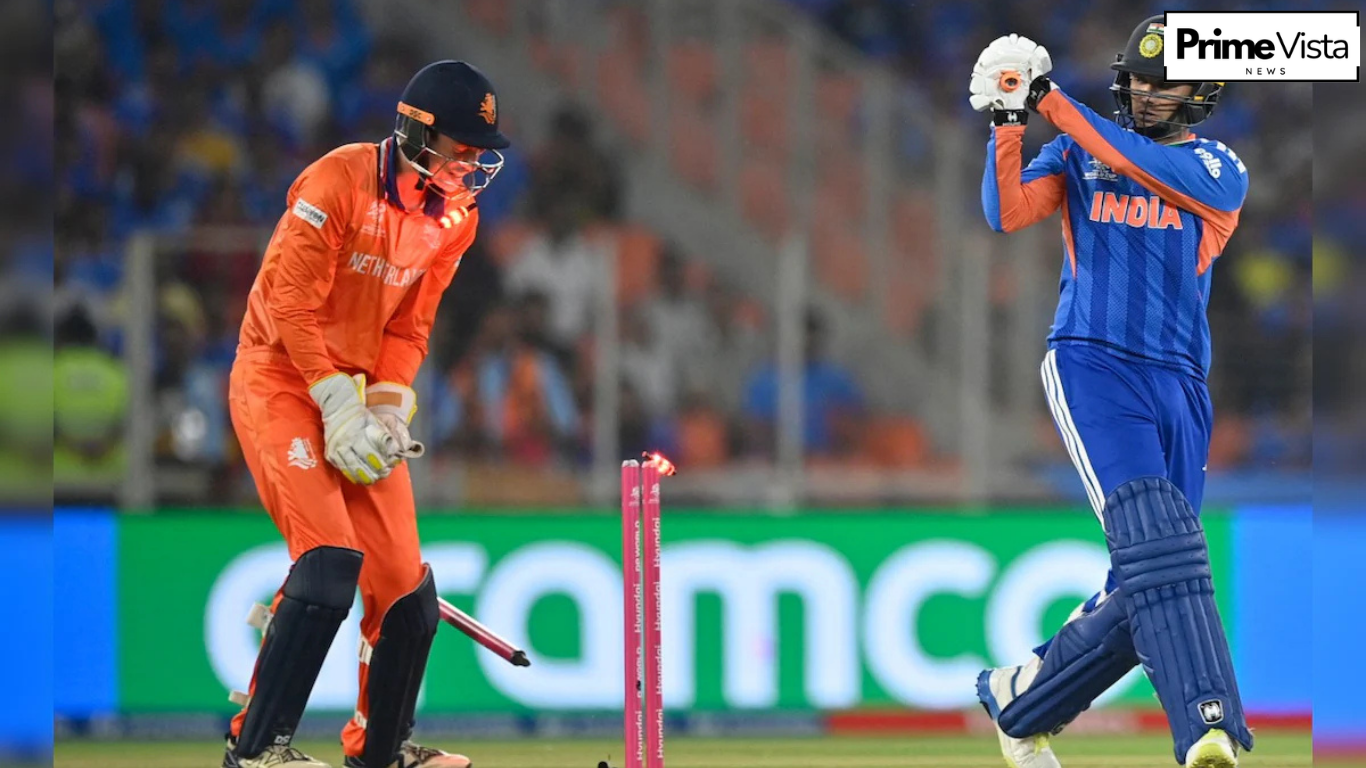
Instead, three matches into the tournament, the numbers present a stark picture: three consecutive ducks and not a single run to his name.
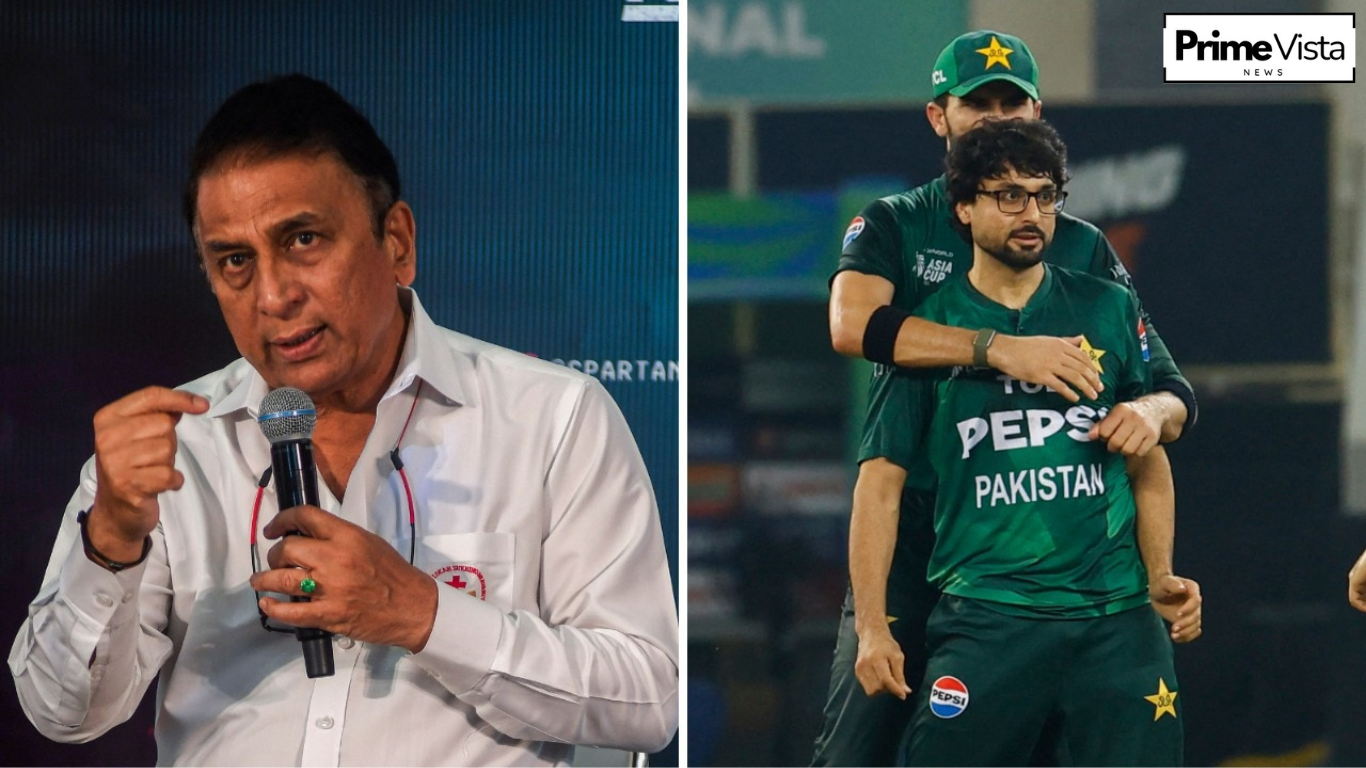
As India prepare for a Super 8 clash against South Africa on Sunday, questions around Sharma’s approach have grown louder. Among those offering a measured assessment is batting great Sunil Gavaskar, who believes the issue is less about technique and more about temperament under expectation.
‘Expectations Might Be Weighing on Him’
Speaking during analysis of India’s group-stage performances, Gavaskar suggested that the burden of reputation may be affecting Sharma’s decision-making at the crease.
“Maybe the expectations might be weighing just a little too heavily on him,” Gavaskar observed. He pointed out that Sharma entered the tournament as the designated aggressor the batter expected to attack from the outset and maintain a strike rate touching 200.
That expectation, Gavaskar implied, can become a trap.
Across three matches, Sharma has faced a combined total of just eight deliveries before being dismissed. The brevity of his stays highlights not only the lack of runs but also the absence of time spent adjusting to conditions.
A Predictable Pattern
Gavaskar was candid in his assessment of Sharma’s dismissals, describing them as increasingly foreseeable.
“The way he is getting out is very predictable,” he said, suggesting that bowlers have quickly identified his intent to dominate from the first ball. According to Gavaskar, Sharma appears intent on forcing the pace immediately, often attempting to play across the line in search of early boundaries.
In high-pressure tournaments, such predictability can be costly. Opposition bowlers, armed with data and match footage, rarely need repeated invitations.
Gavaskar’s advice was simple: give yourself time.
With the range of strokes at his disposal, Sharma does not need to manufacture impact from the first delivery. “Even if there are four dot balls, it does not matter,” Gavaskar noted. A batter of Sharma’s calibre, he argued, can recover the scoring rate once set.
Earlier Report : Abhishek Sharma Equals Sanju Samson’s Record After Third Consecutive Duck at T20 World Cup 2026
The Psychology of a Strike-Rate Identity
Modern T20 cricket often rewards audacity. Players build reputations and sometimes brand identities around explosive strike rates. Sharma’s image as a 200-strike-rate aggressor may now be influencing his mindset.
Gavaskar suggested that living up to that perception could be contributing to the problem. “You don’t have to,” he said, referring to the pressure to immediately justify a reputation.
Instead, he recommended “smart cricket” taking singles early, assessing pitch behavior and allowing natural timing to develop. “If you are playing for India, you have to get off the mark and everything will fall in place,” he remarked.
That first single, in many ways, can be as important psychologically as it is statistically.
Numbers Reflect the Slump
Sharma’s current tournament struggles also align with a broader trend in 2026. He has now registered five ducks in T20 Internationals this calendar year, placing him among openers with the most ducks in a single year in the format. The unwanted list is led by Pakistan opener Saim Ayub, who recorded six ducks in 2025.
For India, however, the immediate concern is forward-looking. The Super 8 phase leaves little room for experimentation or prolonged adjustment.
A Moment for Reset
Tournament cricket rarely allows extended recovery time. Form, particularly in T20s, can swing within a handful of overs. A single settled innings can recalibrate both statistics and confidence.
For now, Sharma’s challenge is not about reinventing his game but refining his approach. As Gavaskar emphasized, the tools are already there power, range and timing. What may be required is restraint before release.
India’s campaign continues. Whether their premier opener can reset in time could shape how far it goes.