














Sikkim Ends Physical Permits for Foreign Tourists, Makes Online Clearance Mandatory :
Prime Vista News
The Sikkim government has discontinued the issuance of physical permits for foreign nationals visiting protected and restricted areas of the state, making online clearance mandatory with immediate effect. The decision has been taken in line with directives issued by the Union Ministry of Home Affairs, officials said on Friday.
The move marks a significant shift in how foreign tourist access is regulated in the Himalayan state, which shares international borders and has long maintained strict permit requirements for certain regions due to strategic and security considerations.
No More Physical PAP and RAP Permits
According to an official order issued by the state’s Department of Tourism and Civil Aviation, authorities will no longer issue Protected Area Permits (PAP) or Restricted Area Permits (RAP) in physical form to foreign tourists.
Under the revised system, all eligible foreign visitors must apply for and obtain approval through the designated online permit cell before travelling to restricted locations. Physical applications or on-the-spot permit issuance will not be entertained.
Officials said the decision applies uniformly across the state and is intended to ensure better compliance with national security protocols.
Locations Covered Under Online Permit System
As per the updated guidelines, foreign nationals will continue to be allowed access to select tourist destinations in Sikkim, subject to prior online approval. These include:
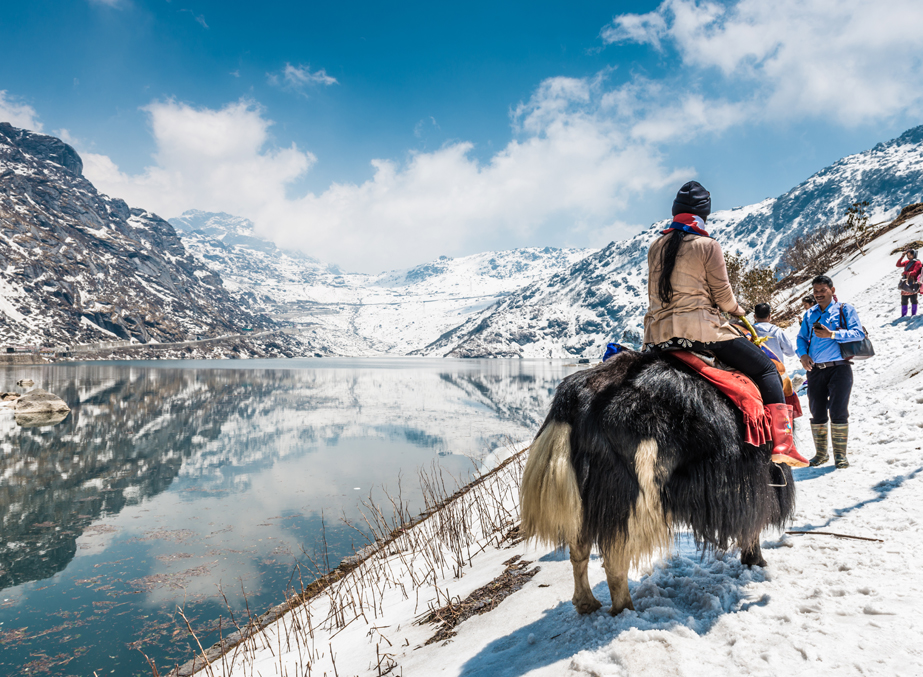
- Tsomgo Lake (Changu Lake) in East Sikkim
- Yumthang Valley in North Sikkim
- Zero Point, a popular high-altitude destination beyond Yumthang
Authorities clarified that access to these areas remains regulated and tourists must strictly adhere to the approved routes, timelines, and conditions mentioned in their permits.
Focus on Security and Digital Efficiency
Tourism department officials said the shift to an online-only permit system aims to strengthen monitoring and oversight while also simplifying the application process.
“Sikkim is a sensitive border state, and permit regulations are closely linked to national security,” an official said. “The online system allows for better verification, record-keeping, and coordination with central agencies.”
By digitising the process, authorities expect improved transparency, reduced paperwork, and quicker processing times compared to the earlier manual system.
Read More : A viral moment involving Smriti Mandhana’s mother after the WPL final win triggered a wave of reactions across social media.
Compliance With MHA Directives
The state government confirmed that the decision was taken to comply with directions issued by the Union Ministry of Home Affairs. The MHA periodically reviews access protocols for border and strategically important regions, particularly those frequented by foreign nationals.
Officials said the updated system will help ensure that all necessary clearances are in place well before a tourist enters restricted areas.
What Foreign Tourists Need to Know
Tourism officials have advised foreign travellers planning visits to Sikkim to apply for permits well in advance through the official online portal. Tour operators and travel agencies have also been asked to inform clients about the revised procedure to avoid inconvenience.
Failure to obtain prior online approval may result in denial of entry to restricted zones, officials warned.
Domestic tourists are not affected by this change, as the permit requirements for Indian citizens remain unchanged.
Industry Reaction
Stakeholders in the tourism sector said the move could initially require adjustment but would ultimately benefit both authorities and travellers.
“An online system reduces ambiguity and makes the process more predictable,” said a tour operator based in Gangtok. “As long as approvals are timely, it should improve the overall experience.”
However, some operators urged the government to ensure that the online portal remains user-friendly and responsive, especially during peak tourist seasons.
Moving Towards Digital Governance
The decision aligns with broader efforts by state and central governments to digitise public services and reduce manual intervention. Officials said further refinements to the system may be introduced based on feedback from users and security agencies.
As Sikkim continues to attract international tourists for its natural beauty and cultural heritage, authorities stressed that security considerations would remain paramount alongside efforts to promote sustainable and regulated tourism.