










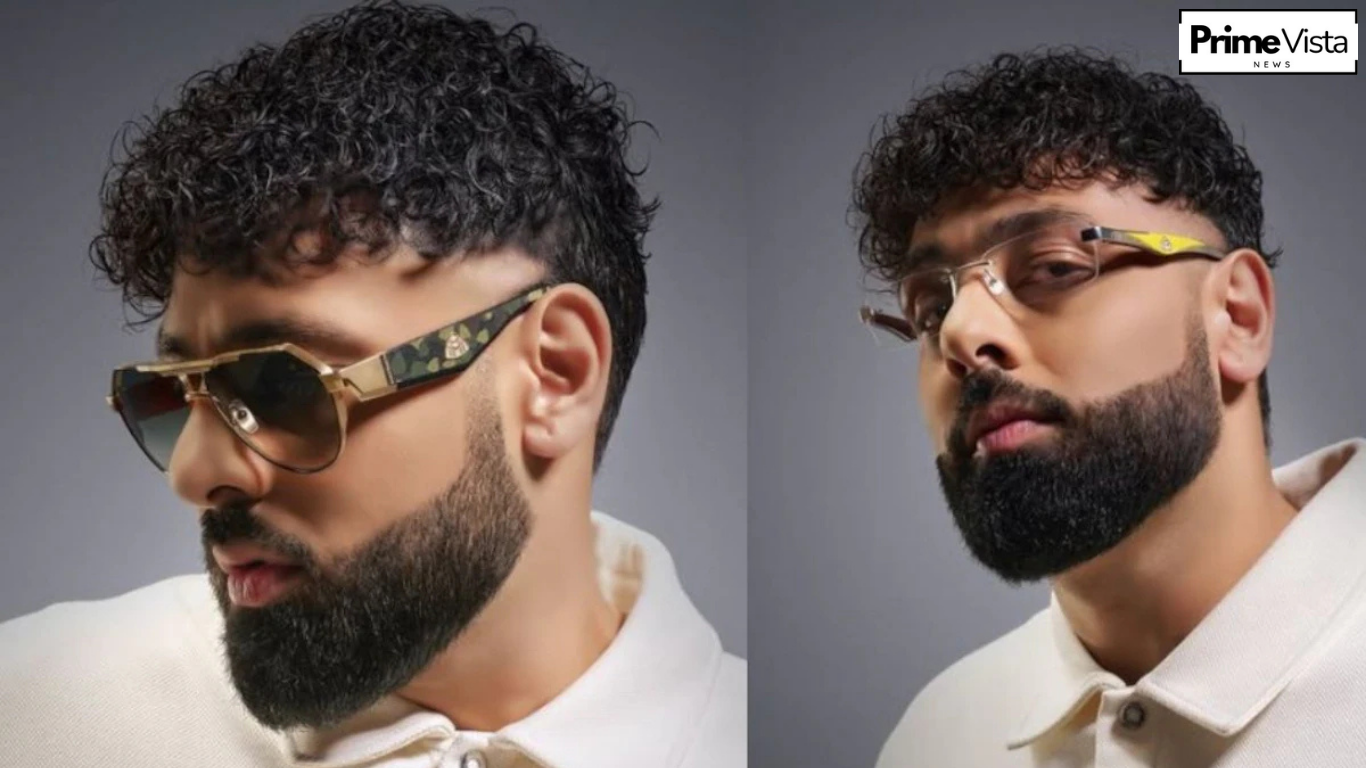
Santy Sharma Defends Badshah Amid ‘Tateeree’ Row, Says Critics Misunderstand Rap Culture !
Prime Vista News
Rapper Santy Sharma has come out in support of Badshah amid the controversy over the song ‘Tateeree’, saying criticism stems from a lack of understanding of hip-hop culture in India.
New Delhi:
Indian rapper Santy Sharma has publicly defended fellow hip-hop artist Badshah amid the ongoing controversy surrounding the song “Tateeree.”
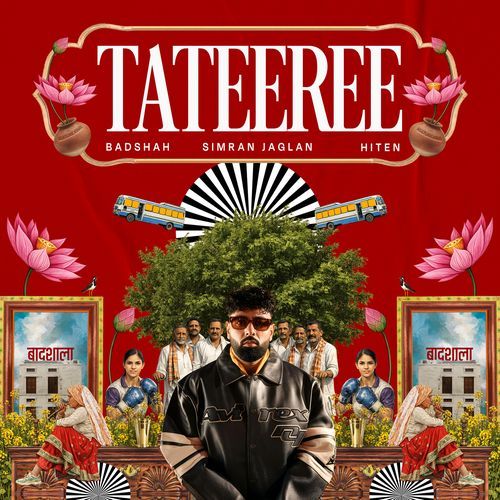
The song recently sparked widespread criticism online over its lyrics and visuals, with social activists and some organisations accusing the track of promoting vulgarity and inappropriate themes. The backlash intensified after the music video featured schoolgirls in uniforms performing dance sequences, triggering debates about representation and content standards in popular music.
As criticism mounted and legal complaints began to surface, Santy Sharma took to social media to voice support for Badshah, arguing that much of the backlash stems from a lack of understanding of rap and hip-hop culture among Indian listeners.
Santy Sharma Speaks Out On Social Media
Santy Sharma shared a post on Instagram explaining how rap music is often misunderstood, especially by audiences unfamiliar with the genre’s artistic conventions.
Posting an image of Badshah alongside his message, Sharma attempted to clarify how rap songs are typically created and produced. According to him, the audio recording and video production of a song often happen at different stages, involving separate teams.
In his post, Sharma wrote that rappers often record their verses months before a music video is conceptualised or filmed. As a result, the artist may not always have complete control over how the visuals ultimately appear.
He explained that in many cases the video production is handled by a separate creative team, and the final edit may include elements that the artist did not originally envision while recording the track.
Sharma also pointed out that rap music frequently includes competitive references, metaphorical lines, and stylised expressions, which can sometimes be misunderstood if listeners are unfamiliar with the genre.
“Lack Of Knowledge Among Listeners”
In his statement, Santy Sharma argued that one of the biggest challenges faced by rap artists in India is the limited awareness about hip-hop culture among the general audience.
He wrote that many people judge songs purely on isolated lines without understanding the broader artistic context.
According to Sharma, if listeners find certain lyrics problematic, the discussion should focus on correcting or revising those lines rather than immediately condemning the artist.
He stated that the way Badshah has been judged in the current controversy appears unfair because many critics may not fully understand how rap music functions as a creative form.
At the same time, Sharma acknowledged that people could feel hurt by certain content and apologised in advance if his remarks offended anyone. However, he maintained that a deeper understanding of hip-hop culture is necessary before passing judgment.
Santy Sharma’s Growing Presence In Music
Santy Sharma has gradually built a reputation as a vocal and outspoken figure in India’s hip-hop scene.
The rapper made his Bollywood debut through the film
Housefull 5, which introduced his music to a broader audience.
He later released his debut album titled “Reborn,” marking a significant step in his independent music career.
Apart from his music releases, Sharma is also known for using his social media platforms to comment on developments within the Indian hip-hop industry.
His latest post defending Badshah reflects his willingness to address controversies and speak openly about issues affecting artists in the genre.
‘Tateeree’ Song Sparks Major Controversy
The controversy revolves around Badshah’s Haryanvi track “Tateeree,” which quickly attracted attention after its release.
Several critics and social media users accused the song of containing vulgar or double-meaning lyrics that they believed were inappropriate.
The backlash intensified when the music video showed schoolgirls in uniforms dancing, prompting activists to question whether such imagery was suitable for a widely circulated music video.
The issue soon gained traction online, with calls for action against the rapper from some social organisations.
Apology From Badshah
Facing mounting criticism, Badshah released a video message addressing the controversy.
In the apology video, the rapper expressed regret over the lyrics that had caused offence and appealed to the public for understanding.
During his statement, he said he hoped people would forgive him and asked audiences to consider him “a son of Haryana.”
The apology, however, did little to immediately calm the controversy, as legal complaints had already begun to be filed.
FIRs And Legal Complaints Filed
Following the public outcry, several complaints were reportedly filed against Badshah over the song’s lyrics and video.
The situation escalated further when the matter reached the
Haryana State Commission for Women.
The commission issued a notice to the rapper seeking an explanation regarding the concerns raised by activists and members of the public.
Badshah has been asked to appear before the commission and present his statement regarding the allegations linked to the “Tateeree” track.
As of now, the rapper is expected to attend the hearing scheduled for March 13, 2026.
Earlier Coverage – Rashmika Mandanna Warns Legal Action After Old Audio on Rakshit Shetty Breakup Resurfaces Weeks After Wedding
Debate Over Creative Freedom And Responsibility
The controversy surrounding “Tateeree” has sparked a wider debate about the boundaries between creative freedom and social responsibility in music.
Supporters of the rapper argue that artists should be allowed the space to experiment with themes and expressions, particularly in genres like hip-hop that often push cultural boundaries.
Critics, on the other hand, believe that artists with large followings must exercise caution about the messages conveyed through their work, especially when visuals or lyrics involve sensitive subjects.
The debate highlights the ongoing evolution of India’s hip-hop scene, which has rapidly grown in popularity over the past decade but continues to navigate cultural expectations and public scrutiny.
What Lies Ahead
With legal proceedings now underway and the Haryana State Commission for Women examining the issue, the controversy surrounding “Tateeree” is far from over.
Badshah’s appearance before the commission could determine the next phase of the matter, including whether further action is recommended.
Meanwhile, Santy Sharma’s defence of the rapper has added another dimension to the discussion, drawing attention to the broader question of how rap culture is understood and interpreted in India.
For now, the debate continues across social media and the music industry, reflecting the growing influence of hip-hop and the challenges that come with its expanding audience.
Reporting by Prime Vista News