









Over 41.6 Lakh Vehicles in Haryana Plying Without Insurance, Lok Sabha Data Reveals
PRIME VISTA NEWS
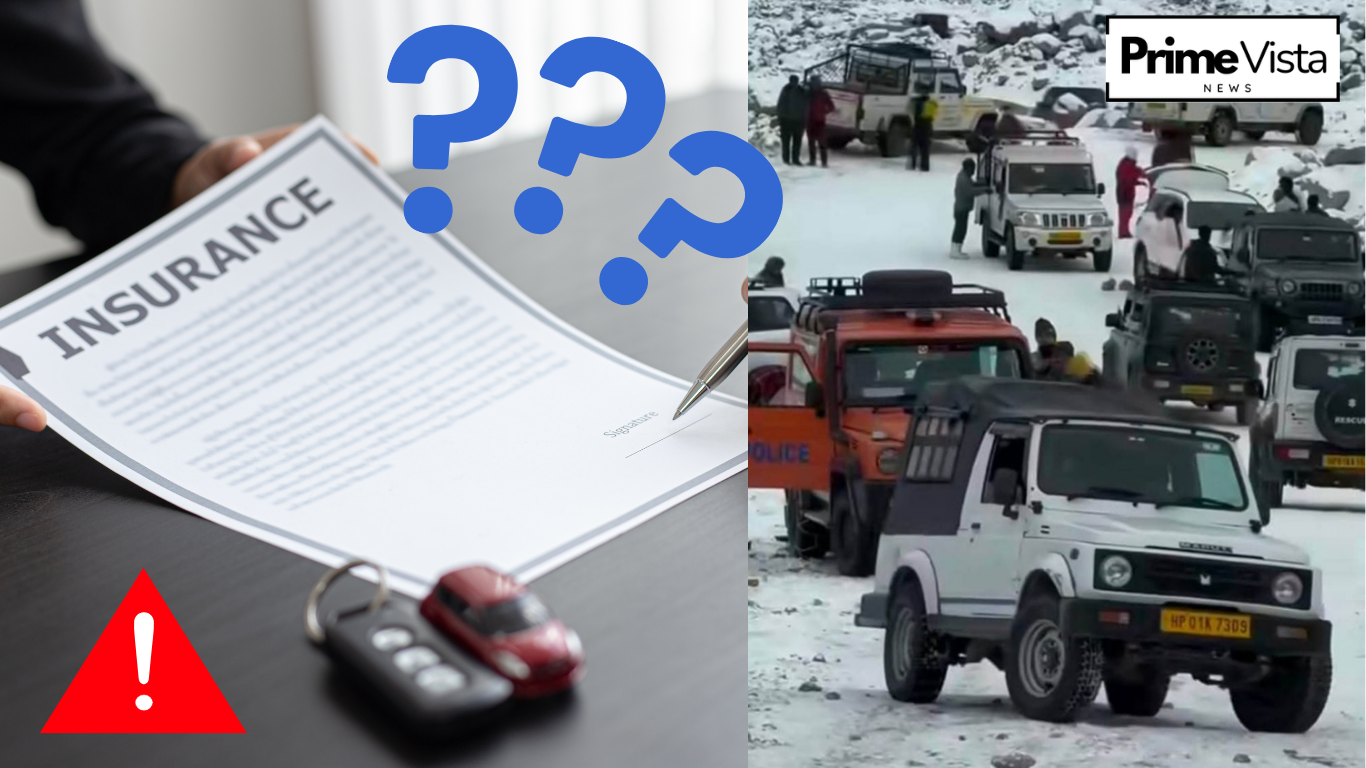
A significant number of vehicles continue to operate on Indian roads without mandatory insurance coverage, raising serious concerns about road safety, legal compliance, and financial liability. Official data tabled in the Lok Sabha has revealed that over 41.61 lakh vehicles in Haryana are currently plying without valid insurance, in violation of the Motor Vehicles Act, 1988.
Data Shared in Parliament
The figures were shared by Union Minister for Road Transport and Highways Nitin Gadkari in response to a question raised by Hoshiarpur Member of Parliament Raj Kumar Chabbewal in the Lok Sabha.
The state-wise data highlights the scale of non-compliance with one of the most basic road safety requirements third-party motor insurance.
State-Wise Snapshot: Northern India in Focus
According to the data presented:
- Haryana – 41.61 lakh uninsured vehicles
- Punjab – 56.54 lakh uninsured vehicles
- Delhi – 30.95 lakh uninsured vehicles
- Rajasthan – Over 1.01 crore uninsured vehicles
- Chandigarh – 2.19 lakh uninsured vehicles
The data underlines the magnitude of the issue across northern India, particularly in high vehicle-density states.
National Picture: 14.31 Crore Vehicles Without Insurance
At the national level, the problem is even more alarming. A staggering 14.31 crore vehicles across India are reportedly operating without valid insurance coverage, with two-wheelers forming the bulk of uninsured vehicles.
Among the states:
- Uttar Pradesh – 2.10 crore uninsured vehicles
- Maharashtra – 1.60 crore uninsured vehicles
- Tamil Nadu – 1.27 crore uninsured vehicles
Meanwhile, smaller regions reported comparatively lower numbers:
- Lakshadweep – 12,154 uninsured vehicles
- Sikkim – 15,852 uninsured vehicles
- Ladakh – 16,003 uninsured vehicles
Legal Implications Under the Motor Vehicles Act
Under the Motor Vehicles Act, 1988, it is mandatory for every vehicle plying on public roads to have valid third-party insurance. Driving without insurance is a punishable offence.
Penalties include:
- Fines for first-time violations
- Higher penalties for repeat offenders
- Possible vehicle impoundment in certain cases
Beyond penalties, uninsured motorists face serious financial risks. In the event of an accident, drivers may be held personally liable for third-party injuries, fatalities, property damage, and legal costs often leading to prolonged litigation and severe financial hardship.
In an earlier report, Prime Vista News had highlighted that Muktsar Head Constable Dies on Duty During Operation Prahar 2.0 :
Government’s Road Safety Strategy
Addressing the issue in Parliament, Nitin Gadkari highlighted the Centre’s multi-pronged road safety strategy based on the “4Es”:
- Education
- Engineering
- Enforcement
- Emergency Care
According to the Minister, awareness campaigns are being intensified to educate vehicle owners about their legal obligations. Technology-driven enforcement systems are also being strengthened to improve monitoring and compliance. Improvements in road engineering and emergency medical response form part of the broader push to reduce accident fatalities.
Experts Call for Stronger Enforcement
Road safety experts warn that the high number of uninsured vehicles undermines traffic discipline and weakens victim compensation mechanisms. In accidents involving uninsured vehicles, victims often struggle to receive timely compensation, placing additional pressure on courts and relief systems.
Experts suggest:
- Seamless integration of insurance databases with vehicle registration systems
- Automated enforcement alerts
- Stricter compliance checks
- Expanded public awareness campaigns
The Road Ahead
As India continues to witness a steady rise in vehicle ownership, ensuring universal insurance coverage remains a critical pillar of road safety policy. The latest data presented in Parliament highlights not just a compliance gap, but a systemic challenge that demands coordinated enforcement, technological integration, and public awareness.
Ensuring that every vehicle on Indian roads carries valid insurance is essential not only for legal compliance but for protecting both motorists and accident victims alike.