










Middle East Travel Chaos Deepens as US-Iran Conflict Forces Airport Closures and Global Flight Suspensions !
Prime Vista News
Airlines worldwide suspend Middle East operations after US-Iran conflict triggers airspace closures, airport damage, and massive passenger disruption across global travel routes.
New Delhi/Dubai – March 2026
Global air travel faced unprecedented disruption across the Middle East and beyond after escalating military tensions between the United States, Israel, and Iran forced widespread airport shutdowns, airspace closures, and mass flight cancellations, leaving tens of thousands of passengers stranded.
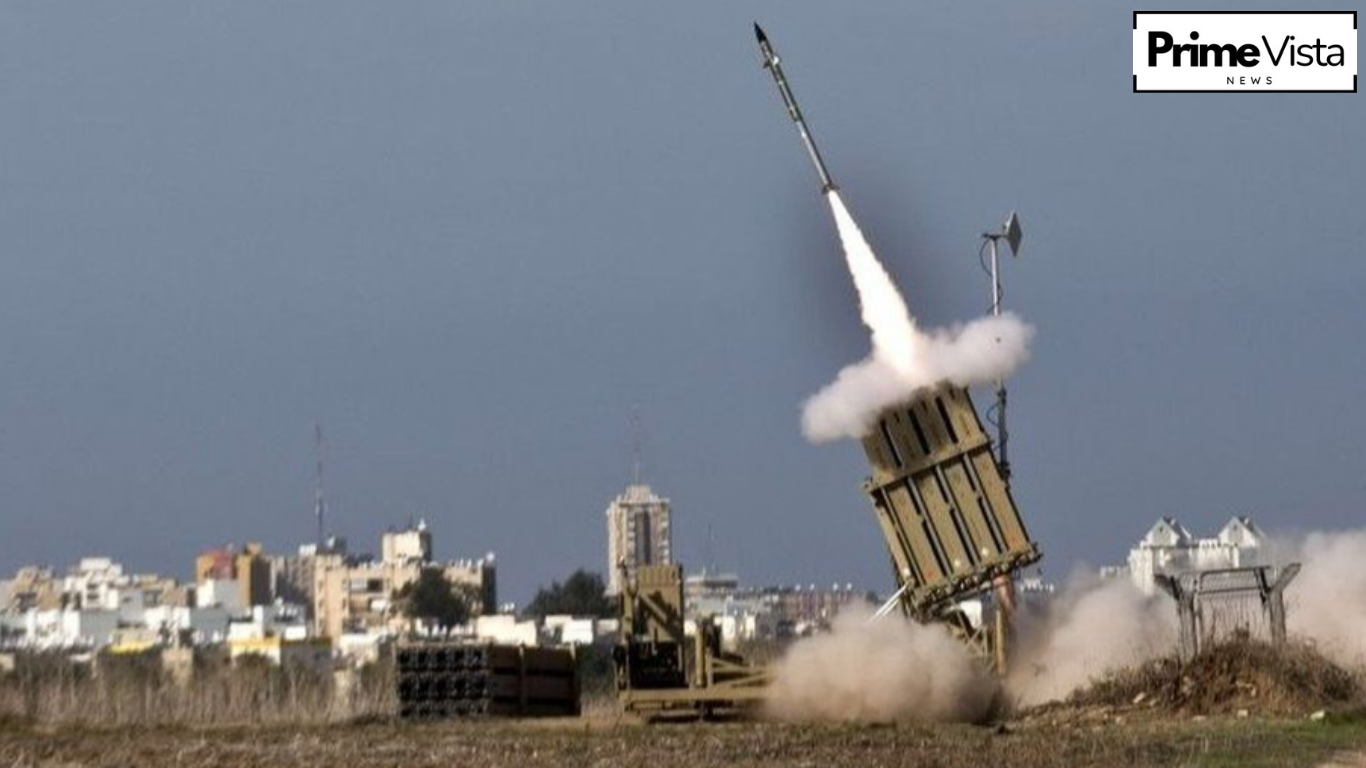
Airlines across the Persian Gulf suspended operations as security risks intensified following Iranian missile and drone retaliation targeting multiple locations in the region. Aviation authorities confirmed that several major transit hubs critical to international long-haul connectivity were either temporarily shut or operating under severe restrictions.
Dubai-based Emirates, the world’s largest international carrier, halted all flights to and from Dubai until Tuesday afternoon local time, warning passengers that operational disruptions could extend further into the week. Abu Dhabi’s Etihad Airways also prolonged cancellations, while Qatar Airways suspended services entirely after Qatari airspace was closed amid security concerns.
The aviation shock quickly spread beyond the Gulf. Hong Kong-based Cathay Pacific canceled selected Middle East routes through March 5, while India’s IndiGo extended flight suspensions affecting regional operations. Airlines across Europe, Asia, and North America issued similar advisories as flight safety assessments were reviewed in real time.
Airports Hit Amid Escalation
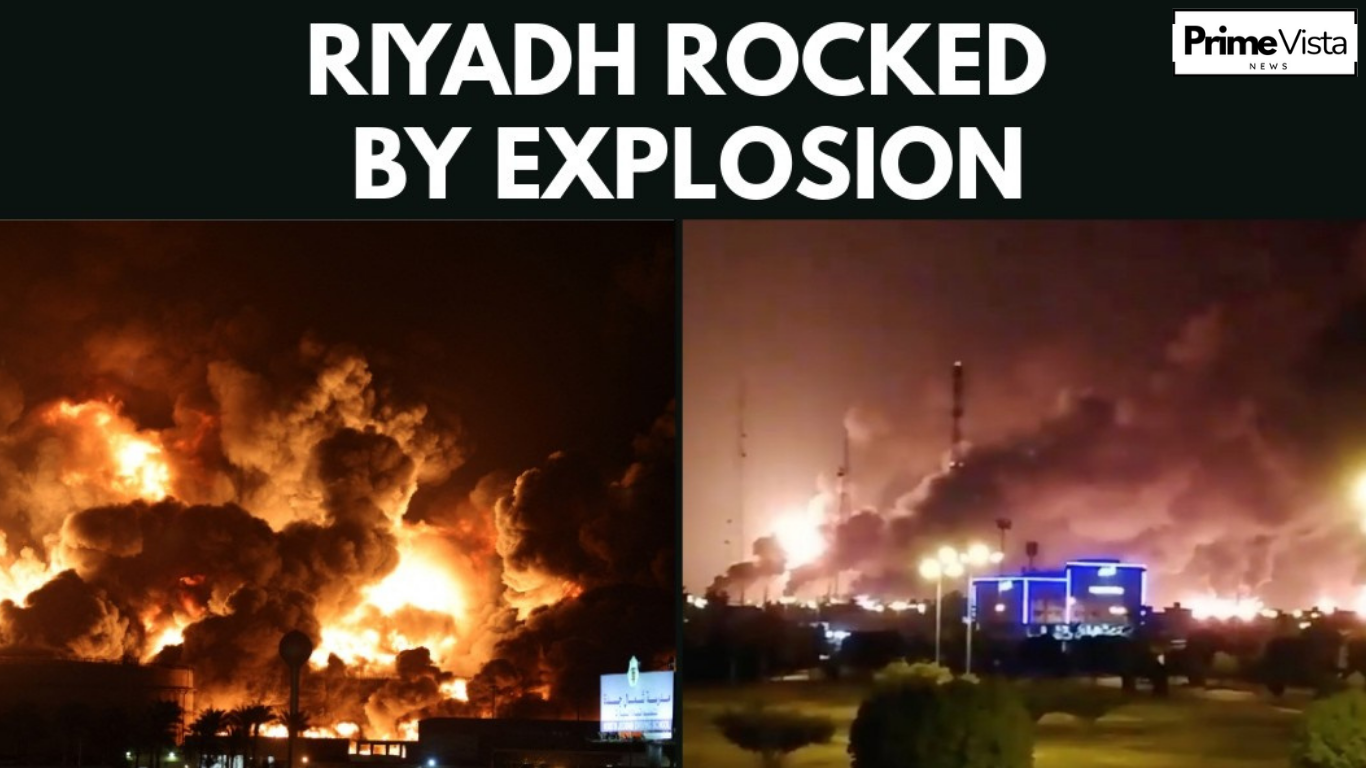
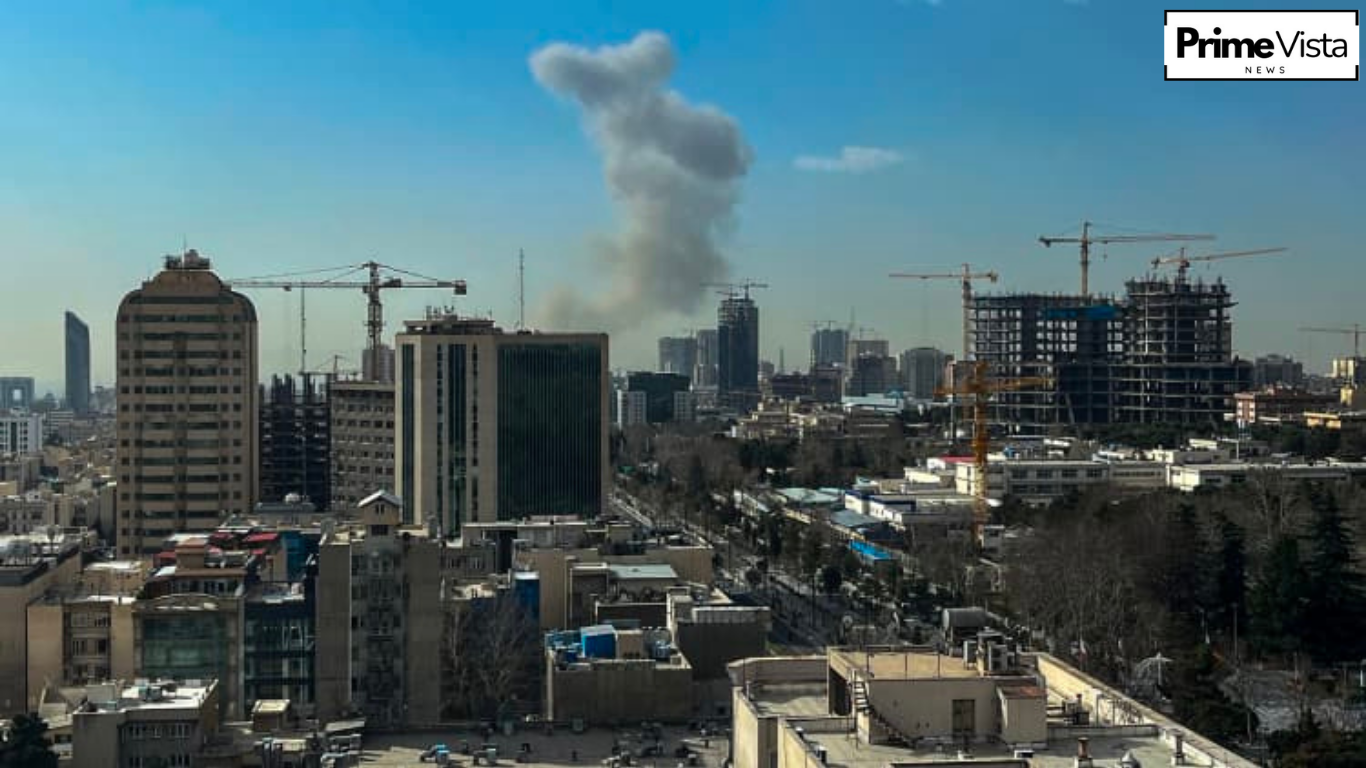
Several Gulf airports were directly affected during overnight exchanges linked to the widening conflict. Authorities in Abu Dhabi confirmed that defensive systems intercepted an Iranian drone attack, though one fatality and multiple injuries were reported. Dubai International Airport the world’s busiest hub for international passengers sustained damage to part of a concourse, injuring airport staff.
Drone strikes also caused damage at airports in Bahrain and Kuwait, with officials reporting injuries among employees and temporary operational interruptions.
The United Arab Emirates’ civil aviation authority said more than 20,000 passengers required assistance as cancellations cascaded through tightly scheduled global flight networks. The Middle East functions as a central aviation bridge connecting Asia, Europe, Africa, and North America, meaning disruptions in the region quickly ripple worldwide.
Airline Stocks Slide as Costs Surge
Financial markets reacted sharply to the unfolding crisis. Airline stocks across Europe and Asia declined significantly amid fears that prolonged instability could derail travel demand ahead of the crucial summer season.
Major European carriers recorded steep early trading losses, while airlines in Asia-Pacific markets also saw declines as investors weighed the combined impact of suspended routes, rising fuel costs, and operational uncertainty.
Oil prices surged following the escalation, adding further pressure to airline balance sheets. Aviation fuel remains the single largest expense for carriers, and extended flight diversions caused by restricted airspace are expected to increase operating costs substantially.
With several traditional flight corridors unavailable, airlines are being forced to reroute aircraft along longer paths, increasing fuel consumption and crew scheduling complications.
Earlier Coverage : 5 Big Questions on US-Israel Attack on Iran Answered: What Triggered the Crisis and What Comes Next ?
Global Network Under Strain
Industry analysts say the scale of disruption is unlike previous regional tensions. Aircraft and crew have already been displaced across continents, creating logistical challenges that may take days or longer to resolve even after airspace restrictions are lifted.
India’s civil aviation authorities reported hundreds of flight cancellations over the weekend alone, highlighting how deeply integrated Middle Eastern transit hubs are within global aviation planning.
Carriers including Emirates, Qatar Airways, and Etihad have spent decades building hub-and-spoke networks that channel passengers through Gulf airports using single-stop connections. The temporary shutdown of these hubs has effectively disrupted one of the world’s most efficient aviation systems.
Uncertainty Ahead
US President Donald Trump stated that military operations would continue until strategic objectives were achieved, adding to uncertainty surrounding the duration of travel disruptions. Aviation experts warn that prolonged instability could reshape travel schedules, ticket pricing, and airline profitability in the coming months.
For passengers, the immediate concern remains uncertainty over departures, connections, and rerouting delays. For airlines, the challenge lies in restoring operational balance once regional airspace reopens.
As geopolitical tensions continue to evolve, the crisis has underscored how quickly conflict in a strategically vital region can paralyze global mobility affecting not just regional travel but the wider rhythm of international aviation.