






Israel Intelligence Allegedly Hacked Tehran Traffic Cameras, Used AI to Track Khamenei Before Assassination-Report !
Prime Vista News
A Financial Times report claims Israeli intelligence infiltrated Tehran’s traffic camera network and used AI tools to track Ali Khamenei before his reported killing in US-Israel strikes.
March 2026
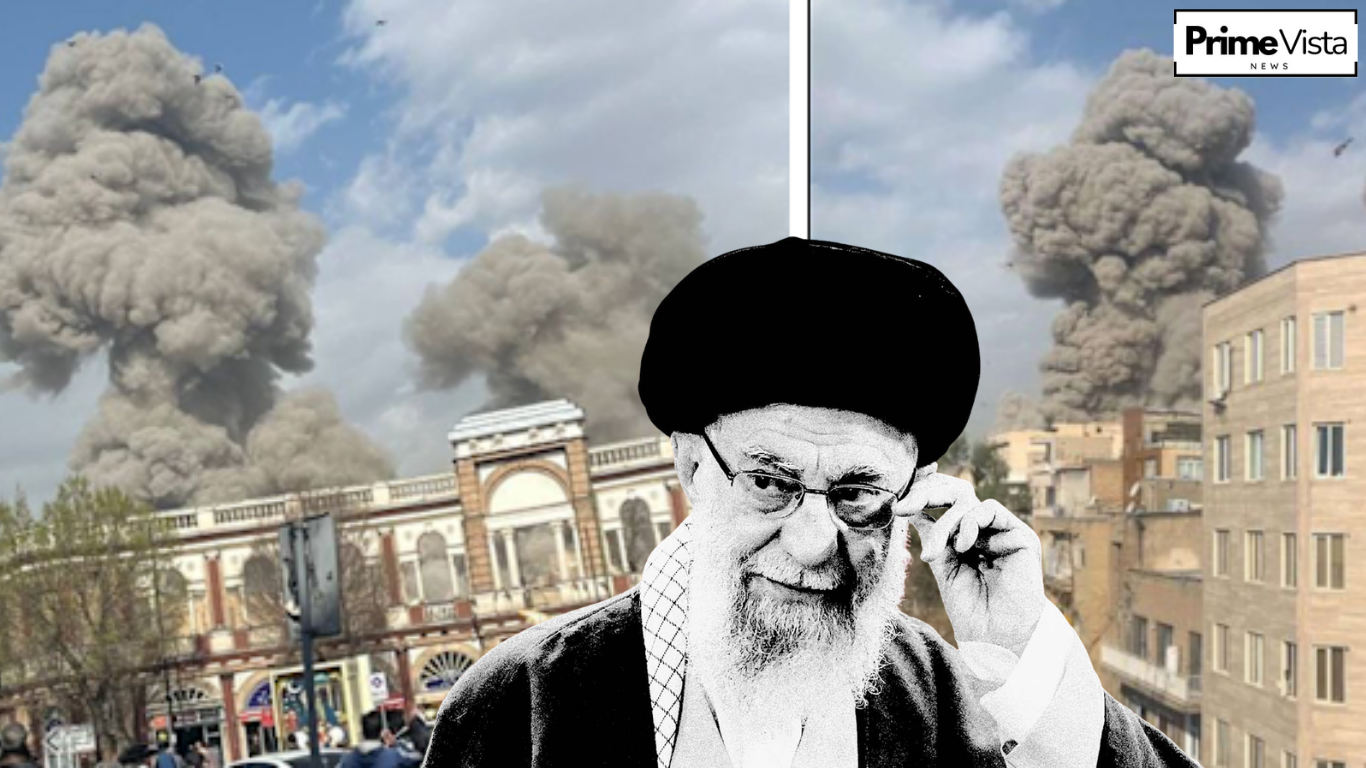
Israeli intelligence agencies allegedly infiltrated Tehran’s traffic camera system and used artificial intelligence tools to monitor the movements of Iran’s Supreme Leader Ali Khamenei prior to his reported killing, according to a detailed report by the Financial Times.
Khamenei was reportedly killed on February 28 during coordinated missile strikes carried out by the United States and Israel on Iranian targets. The strikes marked a dramatic escalation in tensions, triggering retaliation across the Gulf region and raising fears of a broader conflict.
Citing two individuals familiar with the matter, the Financial Times reported that Israel’s intelligence agency, Mossad, had gained access to Tehran’s extensive urban surveillance infrastructure years before the operation. Iran’s traffic camera network is believed to be integrated into a wider state monitoring system used for internal security and public surveillance.
Long-Term Surveillance and Pattern Analysis
According to the report, Israeli operatives allegedly exploited access to specific cameras positioned in sensitive areas of the capital. One strategically located camera reportedly provided visibility into parking zones used by members of Khamenei’s security detail.
Over time, analysts are said to have mapped vehicle patterns, protection rotations, and logistical routines. The data collection allegedly allowed intelligence officers to build detailed behavioural profiles of key members of the security apparatus.
The report claims that artificial intelligence systems were deployed to process and analyse vast volumes of visual and logistical data. AI-powered tools reportedly helped identify recurring patterns, irregular movements, and vulnerabilities in protective arrangements. Through this digital mapping process, intelligence agencies are said to have compiled personal details about security personnel, including home addresses, work schedules, and assignment structures.
An Israeli intelligence official quoted in the report described the depth of operational familiarity, stating, “We knew Tehran like we know Jerusalem. And when you know a place as well as the street you grew up on, you notice a single thing that’s out of place.”
Alleged Communications Disruption
The Financial Times report also suggests that during the operation, cellular services on Tehran’s Pasteur Street — the location where Khamenei was allegedly targeted were disrupted. The temporary blackout reportedly prevented members of the security team from coordinating effectively or receiving timely alerts.
Details regarding the technical nature of the communications disruption remain unclear. Iranian authorities have not publicly confirmed the specifics of any such outage, nor have they addressed the alleged infiltration of surveillance systems.
The report further claims that the Central Intelligence Agency provided support through a human intelligence source who supplied key information relevant to the operation. However, no official confirmation has been issued by US agencies regarding that claim.
Earlier Report : Esha Gupta Returns Home From Abu Dhabi Amid US-Iran Conflict: “All Scared Internally But No One Created Stress”
Verification and Ongoing Uncertainty
The operational details outlined in the report are based on unnamed sources familiar with the matter. Independent verification of the specific surveillance methods, AI applications, and intelligence-sharing arrangements has not been publicly confirmed by Israeli, Iranian, or US authorities.
If accurate, the allegations would represent a significant intelligence penetration into Iran’s internal monitoring systems. They would also underscore the growing role of artificial intelligence in modern espionage, where large-scale data processing enables real-time tracking and predictive behavioural modelling.
The reported killing of Khamenei long a central figure in Iran’s political and security structure has already reshaped regional dynamics. The broader military campaign, described by Washington as “Epic Fury” and by Israel as “Lion’s Roar,” followed the collapse of nuclear negotiations between the United States and Iran. Tehran has consistently maintained that its nuclear programme is peaceful.
As geopolitical tensions continue to evolve, further disclosures may clarify the extent of the alleged cyber infiltration and intelligence coordination. For now, the claims remain grounded in media reporting citing unnamed intelligence sources, with official responses yet to provide confirmation or denial.