













Crude Oil Surge May Force FMCG Price Hikes; Asian Paints, HUL And Godrej Consumer Among Most Exposed: CLSA
Prime Vista News
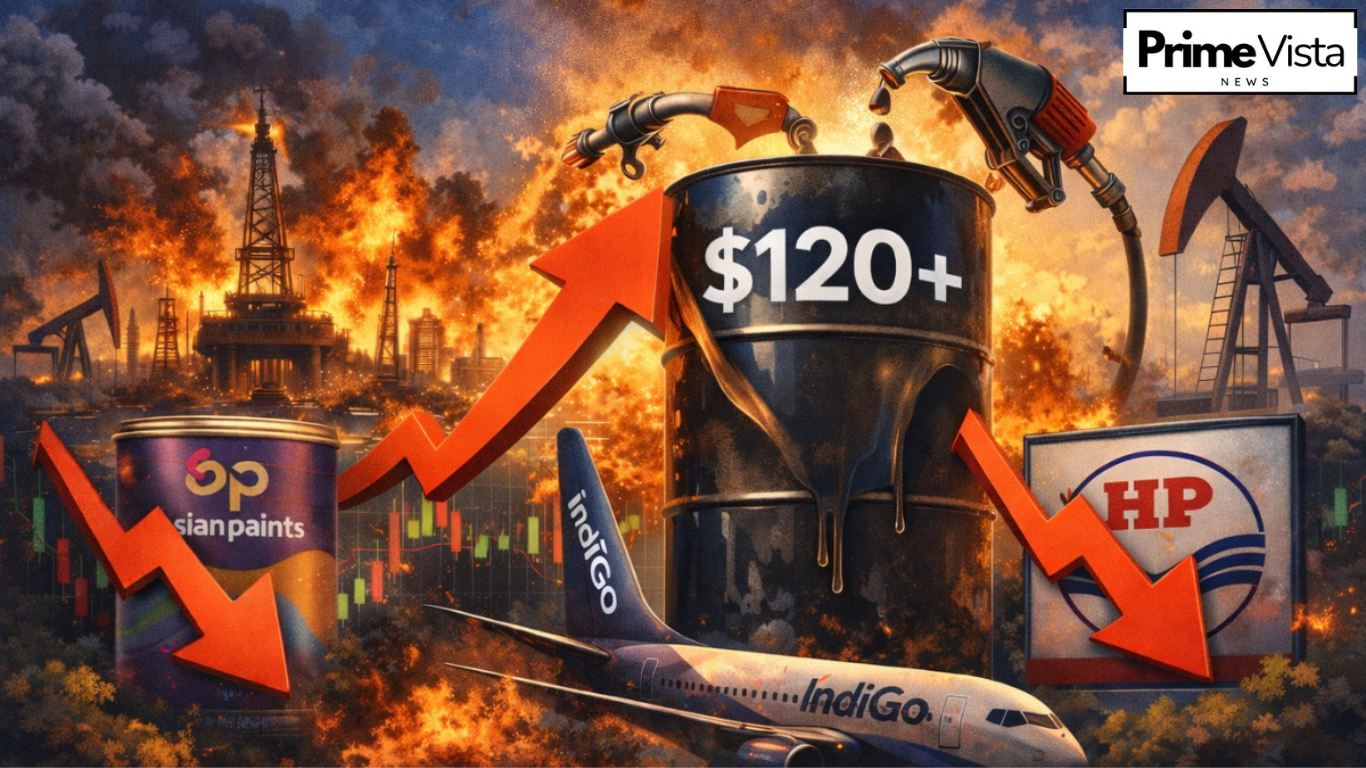
Rising crude oil prices amid escalating geopolitical tensions in the Middle East could push several fast-moving consumer goods (FMCG) companies to increase product prices in the coming months, according to a report by global brokerage CLSA. The report warns that sustained increases in oil prices could significantly raise input costs for consumer goods manufacturers, forcing them to pass some of the burden on to consumers.
The brokerage noted that crude oil and its derivatives play a crucial role in the cost structure of FMCG companies, influencing manufacturing, packaging, and logistics expenses. As a result, any prolonged spike in oil prices can have a ripple effect across multiple product categories including soaps, detergents, packaged foods, and beverages.
According to the report, companies such as Asian Paints, Hindustan Unilever, Godrej Consumer Products, Varun Beverages and Britannia Industries are among the most exposed to rising crude oil prices due to their heavy dependence on petroleum-based inputs and packaging materials.
On the other hand, companies including Colgate-Palmolive (India), Nestlé India, ITC Limited, United Spirits and Radico Khaitan are expected to face relatively lower cost pressures.
How Rising Crude Oil Prices Impact FMCG Companies
Crude oil derivatives form a critical part of the FMCG industry’s cost ecosystem. Analysts estimate that roughly 20–25 percent of the total input costs for FMCG companies are linked directly or indirectly to crude oil.
One of the biggest areas where crude prices influence costs is packaging. Plastic packaging materials widely used across the consumer goods industry are derived from petroleum products. These include:
- HDPE (High-Density Polyethylene)
- LDPE (Low-Density Polyethylene)
- PET (Polyethylene Terephthalate)
These materials are used in shampoo bottles, edible oil containers, beverage bottles, and detergent packaging.
Additionally, polypropylene and polyethylene films are used in snack packets, sachets, and plastic caps. Since these materials are directly derived from crude oil, any spike in oil prices raises packaging costs for manufacturers.
Beyond packaging, crude oil derivatives are also used in the manufacturing of certain FMCG products. A key example is Linear Alkyl Benzene (LAB), an important ingredient used in detergents and cleaning products. Industry estimates suggest that LAB alone accounts for more than half of the raw material costs in detergents, making detergent manufacturers particularly sensitive to fluctuations in crude oil prices.
Logistics And Transportation Costs Also Rise
Apart from raw materials and packaging, crude oil prices also influence transportation and logistics expenses.
Higher crude prices usually push up diesel and fuel costs, which increases trucking, shipping, and last-mile distribution expenses for companies. For FMCG firms that rely on large distribution networks across urban and rural markets, this can significantly affect profitability.
Freight and logistics typically account for 3–7 percent of total sales for FMCG companies. If fuel prices rise sharply, companies may have little choice but to either absorb the costs or pass them on to consumers.
Price Hikes Could Depend On Brent Crude Levels
According to the CLSA report, the scale of price hikes that FMCG companies may need to implement will depend largely on the global price of Brent crude oil.
If crude prices remain moderately elevated, companies may implement small increases. However, if oil prices surge further, the required price hikes could become substantial.
Estimated FMCG Price Hikes Based On Brent Crude Levels
| Brent Crude Price | Expected Price Hikes |
|---|---|
| $80 per barrel | 0.8% – 6.4% |
| $90 per barrel | 1% – 11% |
| $100 per barrel | 2% – 16% |
The analysis suggests that even a modest rise in oil prices could translate into higher consumer prices across everyday products.
Companies Most Affected By Crude Oil Prices
CLSA’s analysis highlights the companies that may need to raise prices the most if crude prices remain elevated.
| Company | Brent at $80 | Brent at $90 | Brent at $100 |
|---|---|---|---|
| Asian Paints | 6.4% | 10.9% | 15.8% |
| Hindustan Unilever | 5.0% | 8.5% | 12.2% |
| Godrej Consumer Products | 4.4% | 7.4% | 10.7% |
| Varun Beverages | 4.2% | 7.2% | 10.3% |
| Britannia Industries | 4.2% | 7.1% | 10.2% |
Companies with lower exposure to crude-linked inputs may require smaller price increases.
Companies Least Affected
| Company | Brent at $80 | Brent at $90 | Brent at $100 |
|---|---|---|---|
| Colgate-Palmolive (India) | 2.8% | 4.7% | 6.8% |
| Nestlé India | 1.7% | 2.9% | 4.2% |
| United Spirits | 1.3% | 2.2% | 3.2% |
| ITC Limited | 1.1% | 1.9% | 2.7% |
| Radico Khaitan | 0.8% | 1.3% | 1.8% |
What It Means For Consumers
If crude oil prices remain elevated for a prolonged period, consumers may soon see higher prices across multiple FMCG categories, including detergents, packaged foods, personal care products, and beverages.
However, companies often attempt to delay price hikes through cost optimisation, smaller packaging sizes, or efficiency improvements before directly increasing retail prices. Many firms also rely on strategic sourcing and hedging to manage commodity price volatility.
Still, analysts warn that if geopolitical tensions in the Middle East continue to push oil prices higher, FMCG companies may eventually have little choice but to pass on some of the cost pressures to consumers.
Earlier Coverage : Delhi Speaker Asks Atishi To Present ‘Faansi Ghar’ Evidence Before Committee
Outlook
The future price trajectory of FMCG products will depend heavily on global crude oil movements and geopolitical developments. If oil prices stabilise, the pressure on consumer goods companies could ease.
However, if Brent crude moves closer to $100 per barrel, the industry could face significant cost inflation, potentially leading to noticeable price increases across several everyday household products.
For now, companies, investors, and consumers alike will be closely watching developments in global energy markets and the evolving geopolitical situation that continues to shape crude oil prices.