













Crude oil spike unlikely to significantly push inflation for now, says FM Nirmala Sitharaman !
Prime Vista News
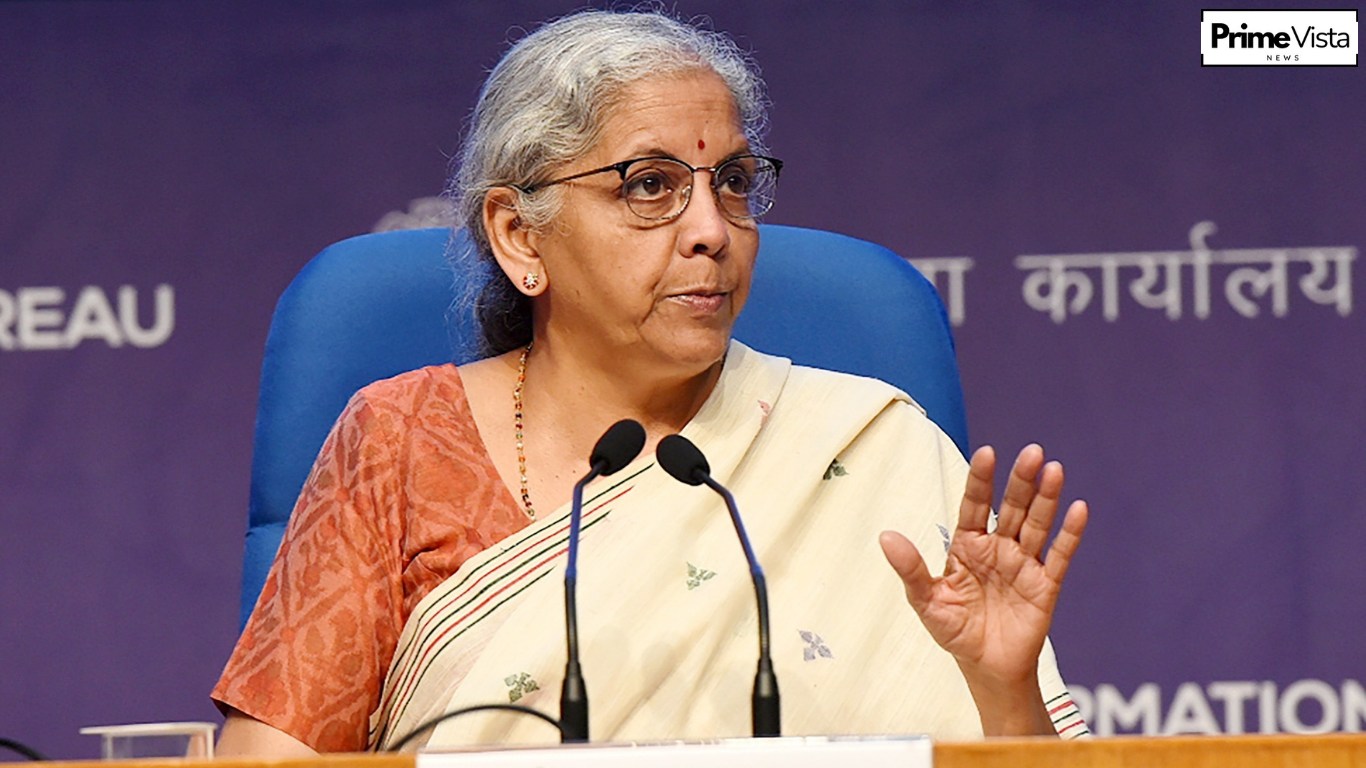
Finance Minister Nirmala Sitharaman says the recent surge in crude oil prices amid the US-Iran conflict is unlikely to significantly push up India’s inflation for now.
India does not expect the recent spike in global crude oil prices to significantly push up inflation in the near term, Nirmala Sitharaman told Parliament on Monday.
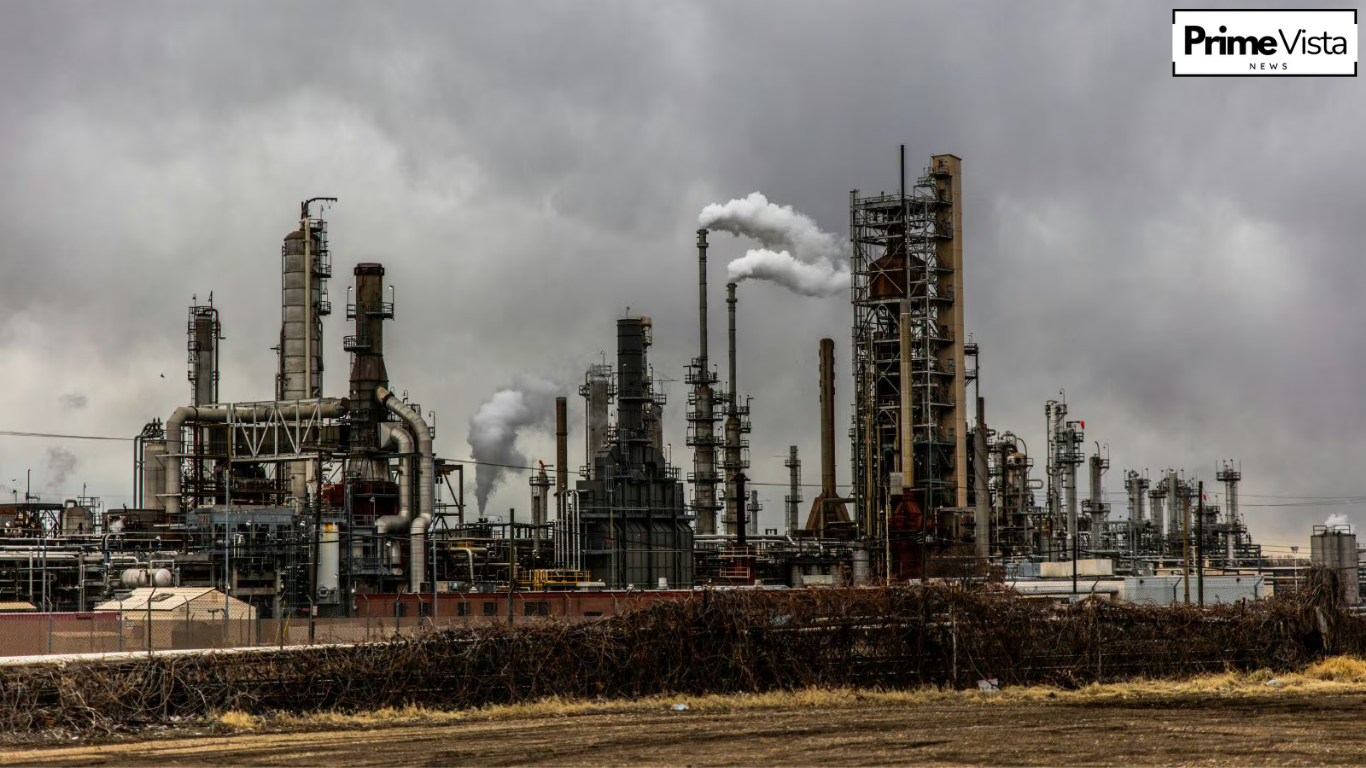
The statement comes at a time when international oil markets have turned volatile following the escalation of the US-Iran conflict, which has raised fears of disruptions to global energy supplies.
Despite crude oil briefly surging close to $120 per barrel, the government believes India’s current inflation trend and policy measures will help cushion the immediate economic impact.
Oil prices surge amid West Asia tensions
Global oil markets have seen sharp fluctuations after tensions escalated in West Asia, particularly following joint military actions involving the United States and Israel against Iran.
The region is one of the world’s most important energy-producing areas, and any instability there tends to have immediate consequences for global oil supply.
On Monday, crude prices surged sharply during intraday trading as investors reacted to fears that the conflict could disrupt production or shipping routes.
Oil prices briefly jumped to nearly $120 per barrel, marking one of the largest intraday increases on record before easing later in the trading session.
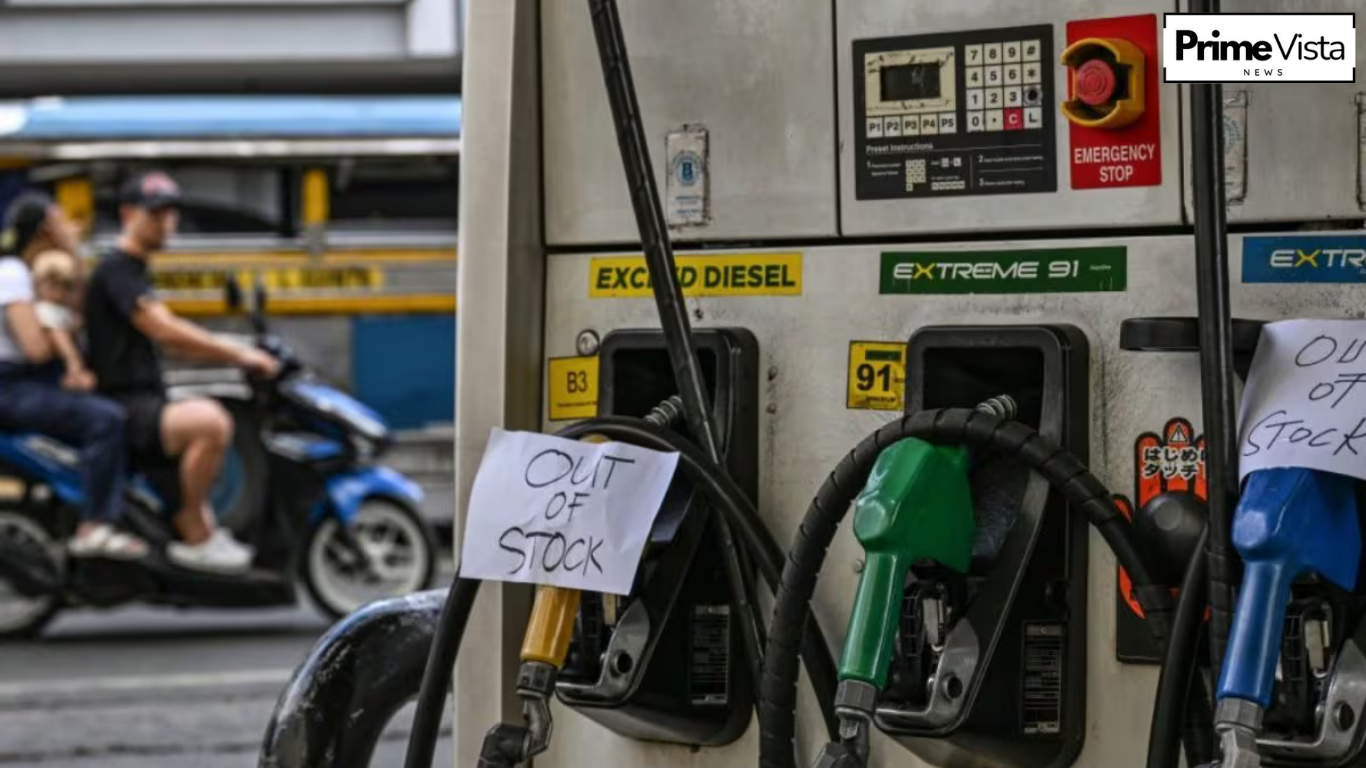
Such sudden spikes typically raise concerns about higher fuel costs, transportation expenses and inflation across major oil-importing economies like India.
Government says inflation impact is limited for now
Despite the volatility in global energy markets, Finance Minister Nirmala Sitharaman told the Lok Sabha that the current surge in crude prices is unlikely to significantly raise inflation at this stage.
In a written reply, the government explained that inflation in India is currently close to the lower bound of the target range set by the Reserve Bank of India.
According to official data, the price of the Indian crude oil basket rose from $69.01 per barrel at the end of February to $80.16 per barrel by March 2, shortly after geopolitical tensions began escalating in West Asia.
Even with this increase, inflationary pressures remain relatively contained.
Officials noted that India currently has a buffer because consumer price inflation is running near the lower end of the RBI’s tolerance band of 4% ± 2%.
This means there is some room to absorb external shocks without causing a major spike in domestic prices.
How rising oil prices affect inflation
Crude oil is a critical component of the global economy because it directly influences the cost of fuel, transportation, manufacturing and several other industries.
For a country like India, which imports the majority of its oil requirements, higher crude prices can eventually translate into higher fuel costs and broader inflation.
However, the government emphasised that the longer-term impact of rising crude prices depends on several factors, including:
- Exchange rate movements of the Indian rupee
- Global demand and supply conditions
- Domestic fuel pricing policies
- The transmission of monetary policy decisions
- The extent to which global prices are passed on to consumers
The Reserve Bank of India has previously estimated that if crude oil prices rise 10% above baseline assumptions and the increase is fully passed on to domestic consumers, inflation could increase by about 30 basis points.
This suggests that while oil price shocks can influence inflation, the magnitude of the impact may remain limited depending on how prices are managed domestically.
Inflation in India has been declining
Recent economic data show that inflation in India has moderated significantly over the past two years.
According to government figures:
- Average retail inflation measured by the Consumer Price Index (CPI) declined from 5.4% in 2023–24 to 4.6% in 2024–25.
- Inflation further fell to 1.8% during April–January of the 2025–26 fiscal year.
Headline inflation in January 2026 stood at 2.75%, placing it close to the lower bound of the RBI’s target range.
This downward trend in inflation provides policymakers with additional flexibility in responding to global shocks such as sudden spikes in oil prices.
Earlier Coverage : US urged India to buy Russian oil already at sea to ease supply fears, says Energy Secretary !
Government measures to control inflation
The government has also implemented several measures to manage price pressures and maintain stability in the domestic market.
Officials said the authorities use a combination of fiscal, administrative and trade policies to keep inflation under control.
Some of the key steps include:
- Maintaining buffer stocks of essential food items
- Releasing grains into the open market when supply tightens
- Easing imports of key commodities during shortages
- Restricting exports to stabilise domestic prices
- Selling essential food products at subsidised rates under the Bharat brand
These measures aim to prevent supply shortages and ensure that price spikes in global markets do not immediately translate into higher costs for consumers.
Future outlook depends on global energy markets
While the government believes the immediate inflationary impact of rising oil prices is manageable, officials acknowledge that the situation could change depending on developments in global energy markets.
If tensions in West Asia escalate further or oil prices remain elevated for an extended period, the economic impact could become more significant.
Energy analysts say the trajectory of crude prices will largely depend on whether the conflict disrupts production or shipping routes in the region.
For now, policymakers are closely monitoring the situation to ensure that India’s economic stability remains protected amid global uncertainties.