














Bengaluru Garbage Crisis: How Disrupted Waste Management Threatens Community Health !
Prime Vista News
Bengaluru’s garbage crisis following protests near the Bellahalli landfill has highlighted the serious public health risks caused by poor urban sanitation, including disease spread, air pollution, and water contamination.
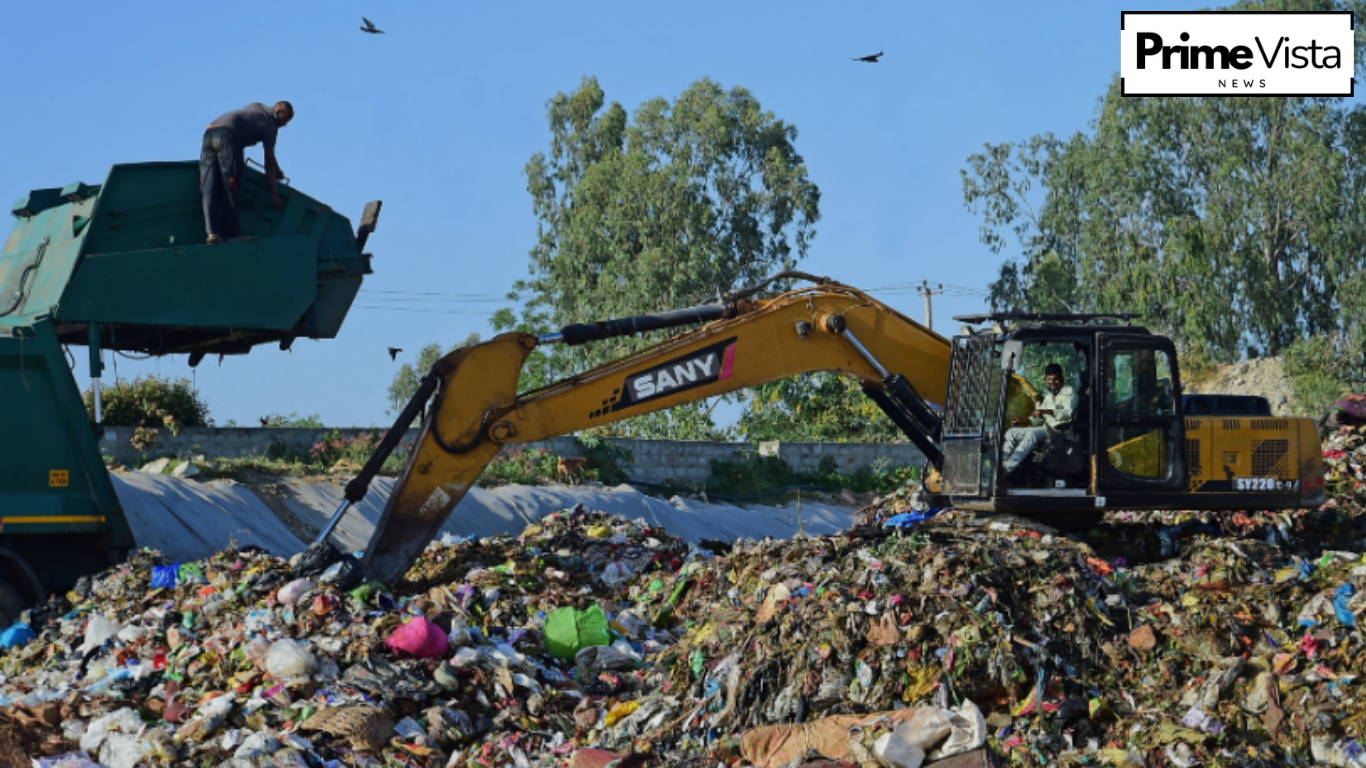
Bengaluru : Bengaluru is facing a renewed garbage management crisis after villagers near the Bellahalli landfill blocked the entry of more than 150 garbage trucks on February 16, disrupting waste collection and disposal across the city for nearly two days. The incident has once again drawn attention to the critical link between urban sanitation and community health.
According to officials and local residents, the blockade occurred after repeated complaints that funds promised for infrastructure development in areas surrounding the landfill had not been released for almost two years. Residents also raised concerns about damage to internal roads caused by the continuous movement of garbage-laden trucks and warned that prolonged dumping activities posed serious health risks.
Following the blockade, some garbage trucks reportedly attempted to divert waste to nearby areas, including Doddaballapur. However, residents there also stopped the vehicles and sent them back, further compounding the city’s waste disposal challenges.
Authorities Say Issue Resolved
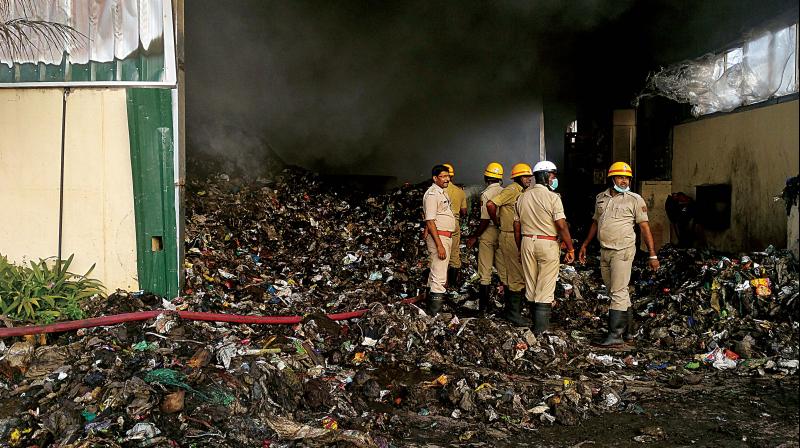
Karee Gowda, Chief Executive Officer of Bengaluru Solid Waste Management Limited (BSWML), told Prime Vista News that the matter has since been resolved and that no further meetings are required. He said official orders have now been issued to initiate development works in and around landfill sites and waste processing facilities, addressing concerns raised by local communities.
Despite assurances from authorities, the disruption exposed the vulnerability of Bengaluru’s waste management system and highlighted how even short interruptions can pose serious public health risks in densely populated urban areas.
Why Waste Management Matters for Public Health
Effective waste management plays a vital role in maintaining sanitation, preventing disease, and protecting environmental health. When garbage collection is disrupted, uncollected waste quickly accumulates in public spaces, creating unsanitary conditions that affect entire communities.
Piles of decomposing garbage become breeding grounds for bacteria, insects, and rodents, while toxic substances released from waste pollute air, water, and soil. Public health experts warn that prolonged exposure to such conditions can significantly increase the risk of illness, particularly among children, older adults, and those with weakened immune systems.
Key Health Risks Linked to Poor Sanitation
Spread of Infectious Diseases
Rotting waste attracts flies, rats, and mosquitoes, which carry harmful bacteria and viruses. These pests contaminate food and water sources, increasing the risk of diseases such as cholera, typhoid, and diarrhoea. Children and the elderly are particularly vulnerable due to weaker immunity.
Respiratory Problems
In areas where waste accumulates, residents often resort to burning trash to clear space. Open burning releases toxic smoke containing fine particles and harmful gases. In a congested city like Bengaluru, this pollution mixes with vehicle emissions, worsening air quality and triggering asthma, bronchitis, and other respiratory conditions. Long-term exposure can lead to chronic lung disease.
Contamination of Drinking Water
Poorly managed landfills produce leachate a toxic liquid formed when waste decomposes. This substance can seep into groundwater, rivers, and lakes, contaminating drinking water supplies with chemicals, heavy metals, and pathogens. Consumption of contaminated water may cause gastrointestinal illness, skin infections, and long-term organ damage.
Earlier Coverage : NASA Targets March 6 Launch for Artemis II, Marking First Crewed Moon Mission in Over 50 Years
Rise in Rodent and Insect Populations
Garbage dumps provide ideal breeding conditions for rodents and insects that transmit diseases such as dengue, malaria, and leptospirosis. During the monsoon season, stagnant water around waste piles accelerates mosquito breeding, increasing the risk of outbreaks.
Skin and Eye Infections
Direct or indirect contact with uncollected waste exposes residents to bacteria and irritants. Cuts or abrasions can become infected, leading to boils, rashes, and sores. Dust and fumes from waste can also cause eye irritation, burning, and infections.
Impact on Child and Maternal Health
Pregnant women and young children living near dumping grounds face heightened risks. Exposure to polluted air and contaminated water can increase the chances of miscarriage, premature birth, and low birth weight. Young children are especially susceptible to diarrhoeal diseases, which can quickly lead to dehydration and malnutrition.
A Broader Urban Challenge
The Bengaluru garbage crisis underscores a larger challenge faced by rapidly growing cities across India. Experts say sustainable waste management requires not only efficient collection and processing systems, but also long-term engagement with communities living near landfills.
Urban planners and public health specialists stress that addressing sanitation issues is essential to breaking the cycle of disease and environmental degradation. Investments in infrastructure, transparent governance, and community participation are critical to preventing similar crises in the future.
As Bengaluru resumes waste collection, the episode serves as a reminder that sanitation is not merely a civic issue, but a public health priority with far-reaching consequences.
Disclaimer
This article provides general health-related information for public awareness. It is not a substitute for professional medical advice. Readers are advised to consult qualified healthcare professionals for individual health concerns. Prime Vista News does not assume responsibility for the medical implications of this content.