












IAF Sukhoi Su-30 Fighter Jet Goes Missing From Radar Contact In Assam-Search Operation Launched !
Prime Vista News
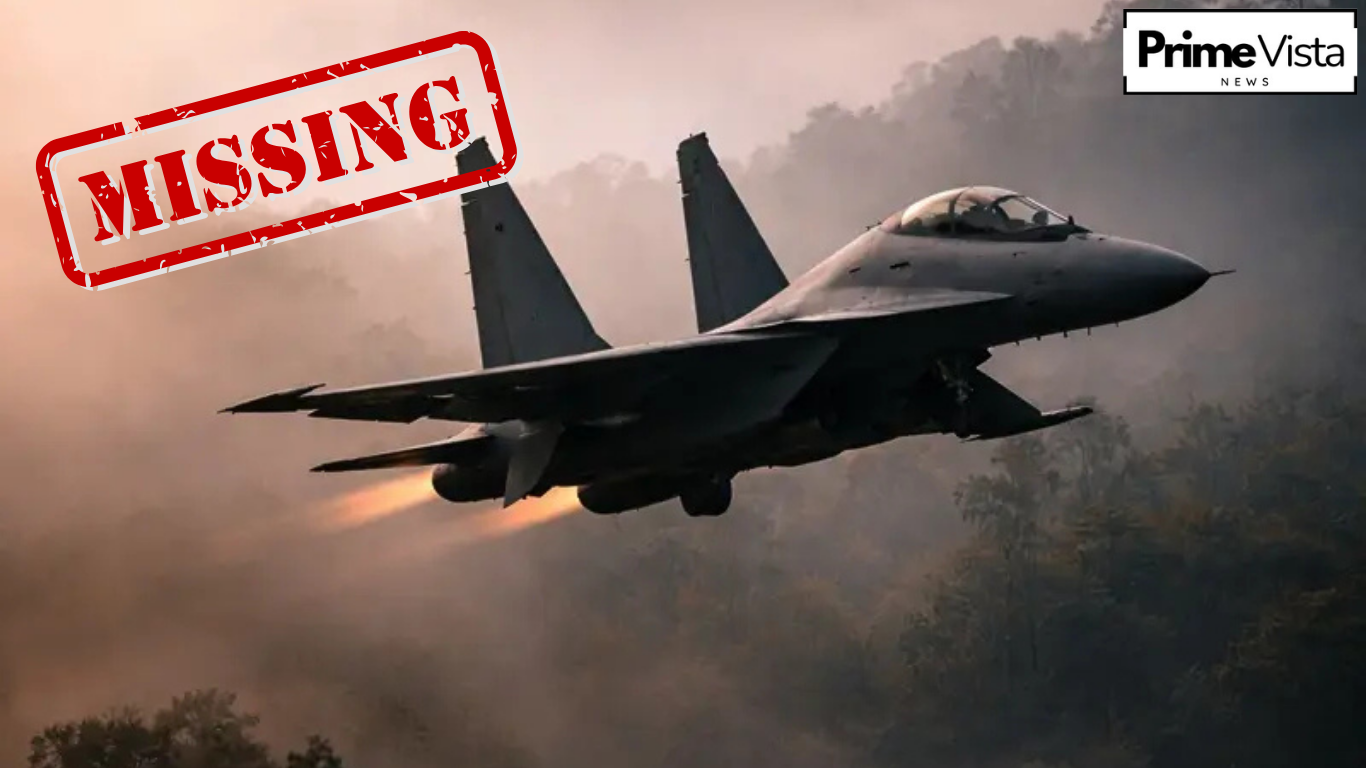
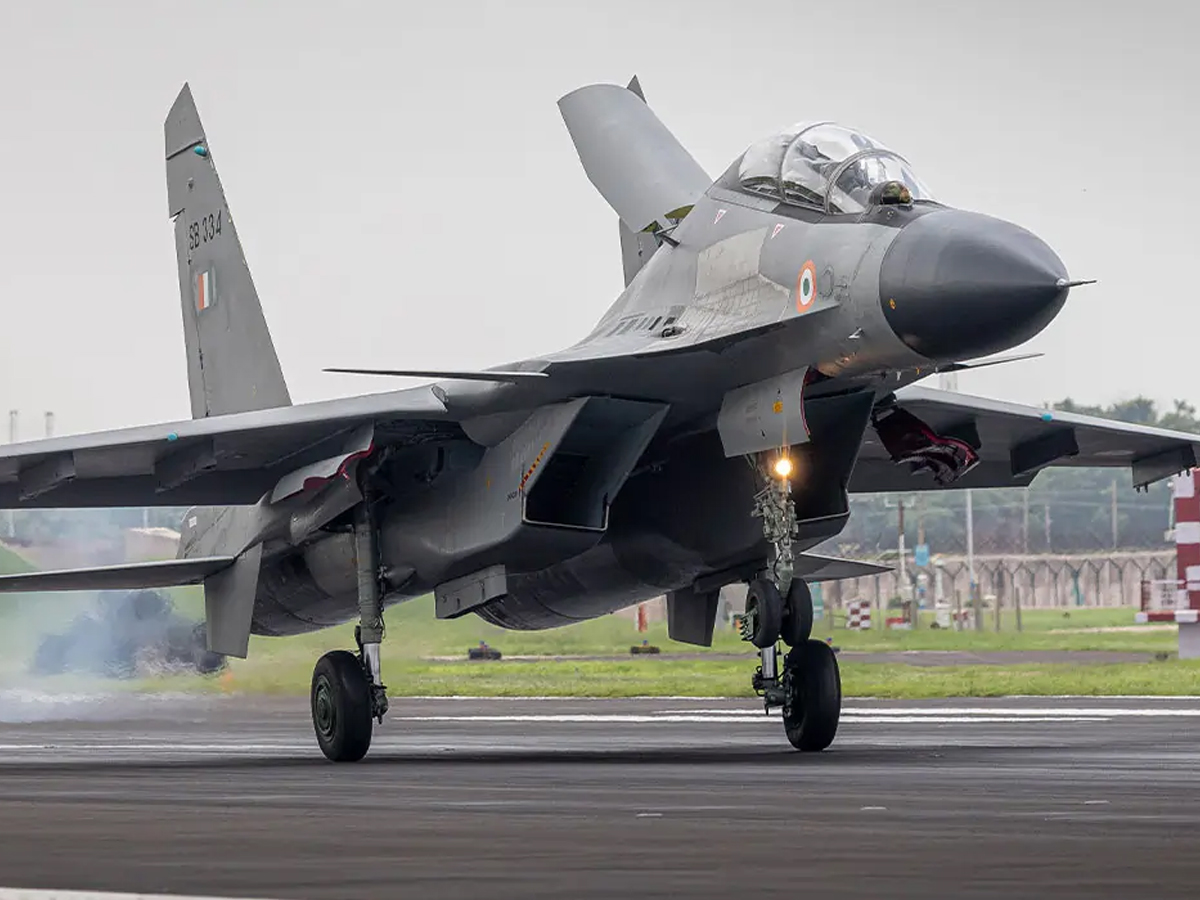
An Indian Air Force Sukhoi Su-30 MKI fighter jet lost radar contact after taking off from Jorhat in Assam. Search and rescue operations have been launched.
Guwahati:
An Indian Air Force (IAF) Sukhoi Su-30 MKI fighter jet lost radar contact on Thursday evening after taking off from Jorhat in Assam, triggering an immediate search and rescue operation by authorities.
According to officials, the aircraft was on a routine sortie when it went missing from radar. The Indian Air Force confirmed the development in a statement posted on X (formerly Twitter), saying the aircraft had last communicated with ground control at 7:42 pm.
“A Su-30 MKI aircraft of the Indian Air Force lost radar contact after taking off from Jorhat, Assam. Search and rescue operations have been launched. Further details are awaited,” the IAF said in its statement.
Authorities have not yet disclosed the number of personnel on board or the exact circumstances that led to the loss of radar contact.
Search and Rescue Mission Underway
Following the disappearance from radar, a search and rescue mission was immediately launched to trace the aircraft. Air Force teams, along with local authorities, have begun efforts to locate the fighter jet in the surrounding region.
Officials said rescue teams are scanning possible areas along the aircraft’s flight path. The northeastern region, particularly Assam and neighboring states, is known for its dense forests and mountainous terrain, which can sometimes complicate search operations.
Helicopters and ground teams are expected to be deployed as part of the operation, depending on weather conditions and available information about the aircraft’s last known coordinates.
Authorities are also coordinating with local police and disaster response units to assist in the search efforts.
Strategic Importance Of The Su-30 MKI
The Su-30 MKI is one of the most advanced fighter jets in the Indian Air Force and forms the backbone of India’s combat fleet. The aircraft is a highly customised variant of the Sukhoi Su-30 platform developed in Russia and modified specifically for Indian operational requirements.
The fighter jet is capable of performing multiple roles including air superiority, ground attack missions, and long-range strike operations. Known for its agility and heavy payload capacity, the aircraft can carry a wide range of missiles and precision-guided weapons.
Over the years, the Su-30 MKI has become a key component of India’s aerial defense strategy, particularly along sensitive borders and strategic regions.
Deployment In Northeast
The Indian Air Force maintains multiple squadrons of the Su-30 MKI in the northeastern region, given its strategic importance and proximity to international borders.
Airbases in Assam and nearby areas serve as important operational hubs for the aircraft. From these bases, fighter jets conduct routine training sorties, patrol missions, and strategic exercises to ensure preparedness.
The presence of advanced fighter aircraft in the region also strengthens India’s ability to respond quickly to any security challenges in the eastern sector.
Aircraft Production And Fleet Size
The Su-30 MKI fighter jets were first inducted into the Indian Air Force in 1997 as part of India’s efforts to modernise its combat fleet.
While the original aircraft were supplied by Russia, most of the current fleet is manufactured in India by Hindustan Aeronautics Limited (HAL) under a licensed production agreement.
At present, the Indian Air Force operates more than 250 Su-30 MKI aircraft, making it the largest fleet of this fighter jet in the world. The aircraft continues to play a crucial role in India’s defence operations.
The fighter jet is equipped with advanced avionics, long-range radar systems, and thrust-vectoring engines that provide superior maneuverability during combat situations.
Earlier Coverage : Crude Oil Surge May Force FMCG Price Hikes; Asian Paints, HUL And Godrej Consumer Among Most Exposed: CLSA
Investigation Likely
Although the aircraft’s disappearance from radar has raised concern, officials emphasised that such incidents are taken very seriously and are immediately followed by standard operating procedures, including search operations and technical investigations.
Once the aircraft is located, a detailed probe is likely to be conducted to determine the exact cause behind the loss of radar contact.
Investigations in similar cases generally examine technical issues, communication failures, weather conditions, or other operational factors that may have contributed to the incident.
More Details Awaited
As of now, officials have not confirmed whether the aircraft has crashed or made an emergency landing. Authorities said further details will be shared once the search teams gather more information.
The Indian Air Force has assured that updates will be provided as the rescue and search mission progresses.
For now, the priority remains locating the aircraft and ensuring the safety of the personnel involved.