










Iran Claims Largest US Radar In Gulf Destroyed-All About Billion Dollar Machine !
Prime Vista News
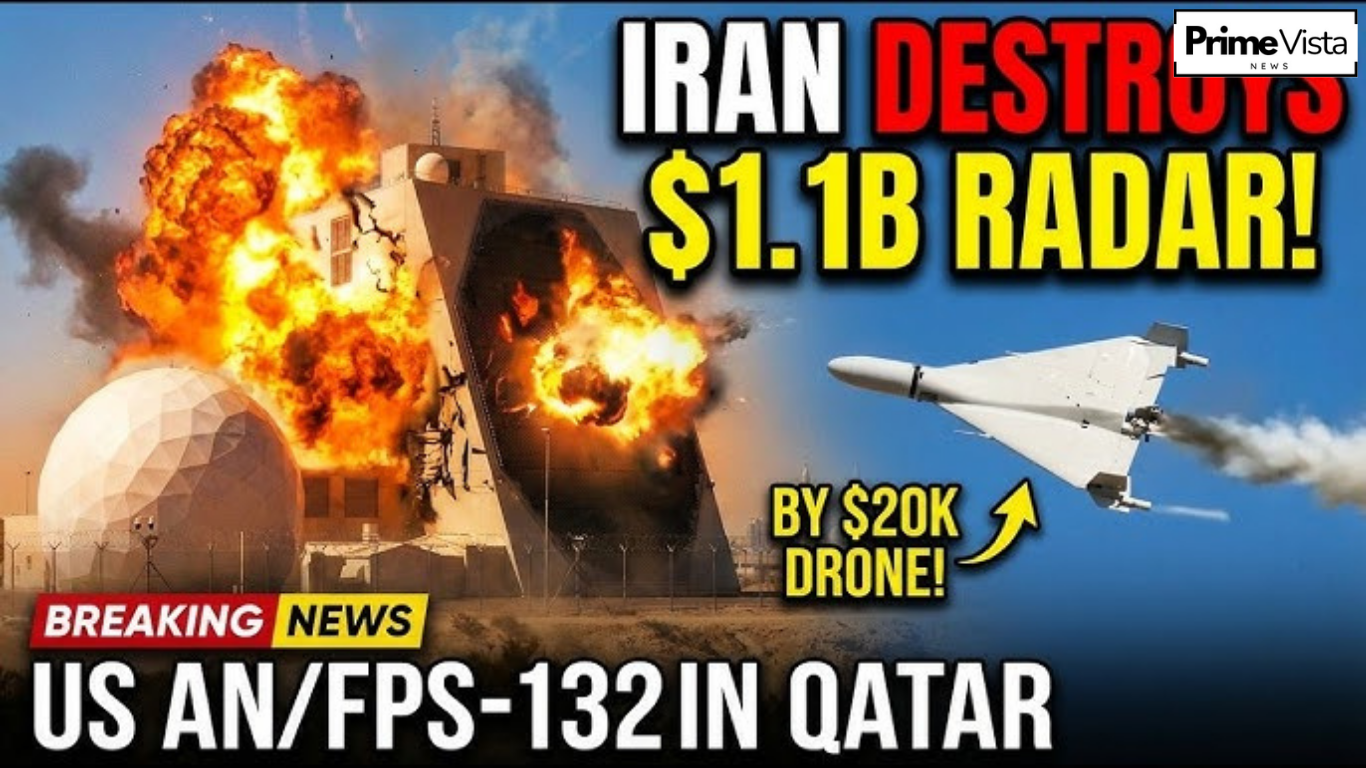
Iran’s IRGC claims the US AN/FPS-132 radar at Al Udeid Air Base in Qatar was destroyed in a missile strike. Here’s all about the $1.1 billion early warning system.
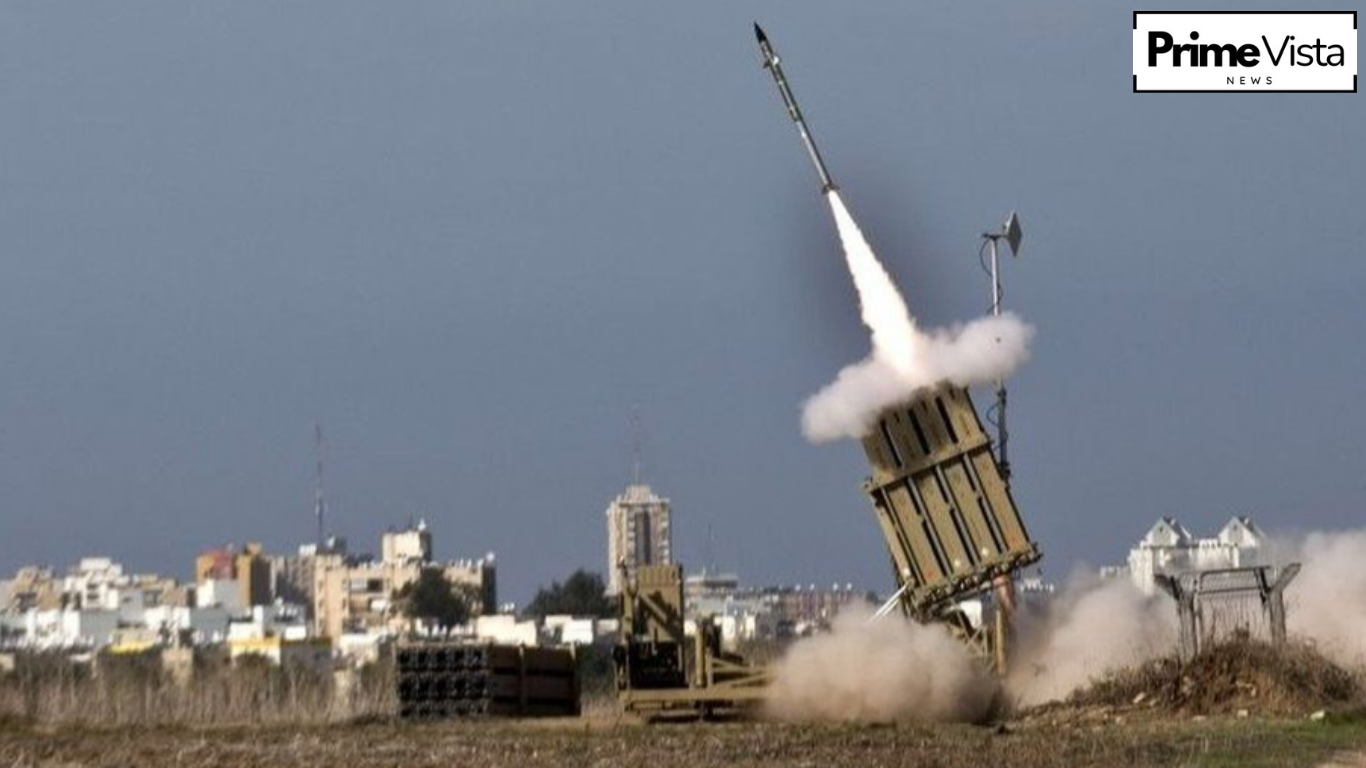
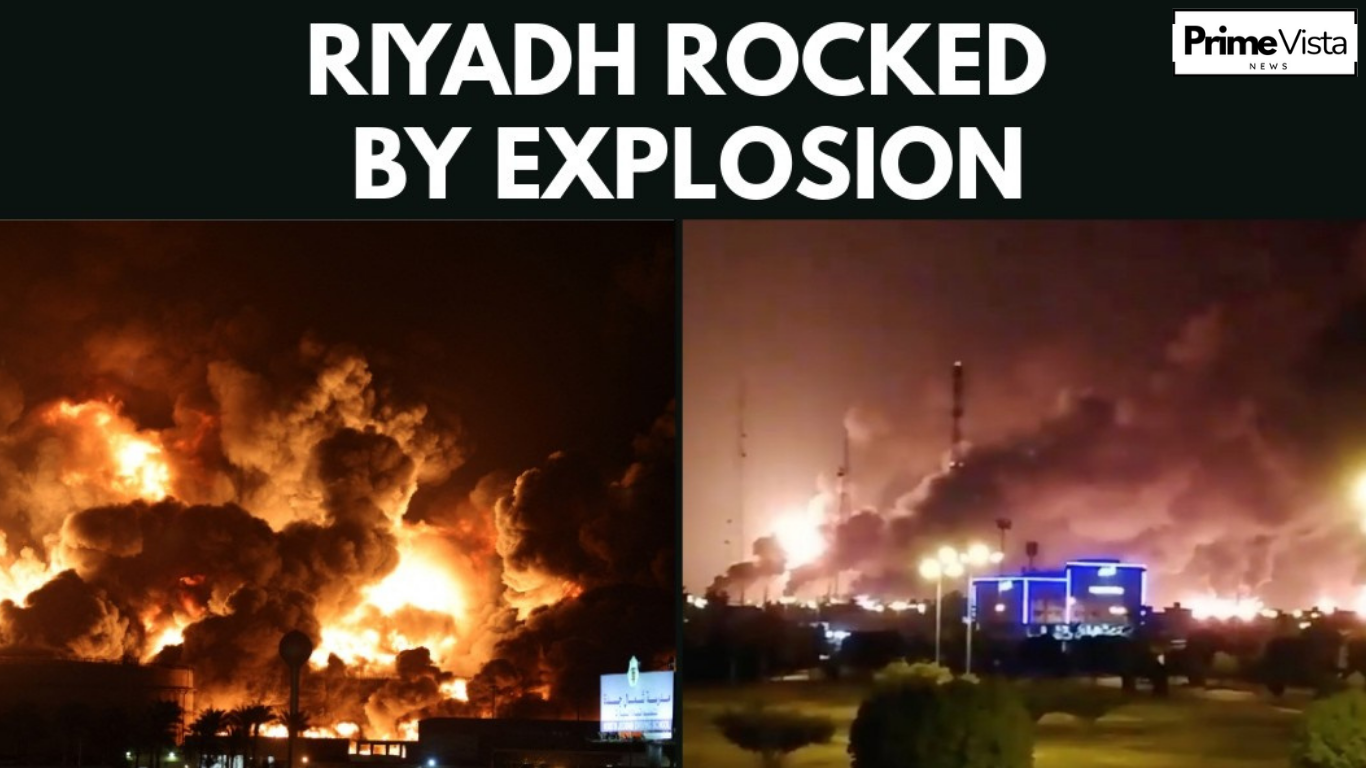
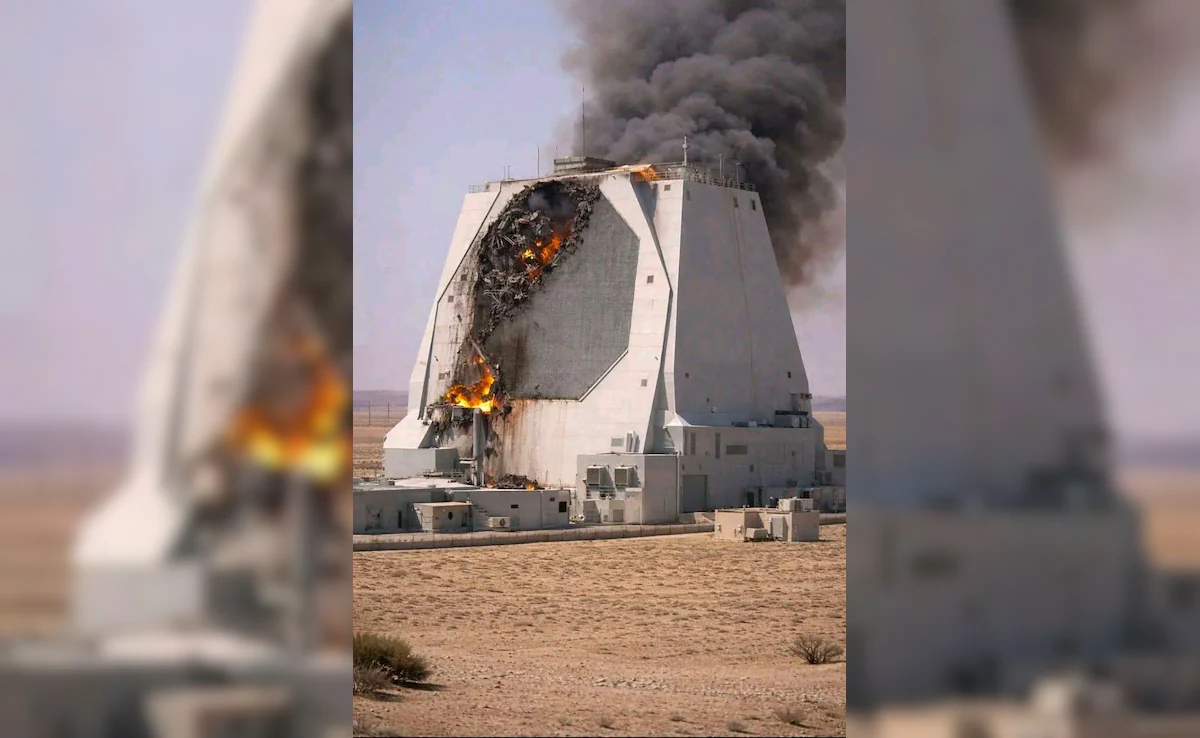
Iran’s Islamic Revolutionary Guard Corps (IRGC) has claimed that the United States’ AN/FPS-132 radar system described as the largest American radar installation in the Gulf was destroyed in a precision missile strike.
According to Iranian state-linked media, the radar was “completely destroyed,” a claim later said to have been corroborated by Qatari officials. However, independent verification of the full extent of the damage remains limited.
The development comes amid escalating conflict involving the US, Israel, and Iran, with both sides indicating that hostilities could continue for an extended period.
What Is The AN/FPS-132 Radar?
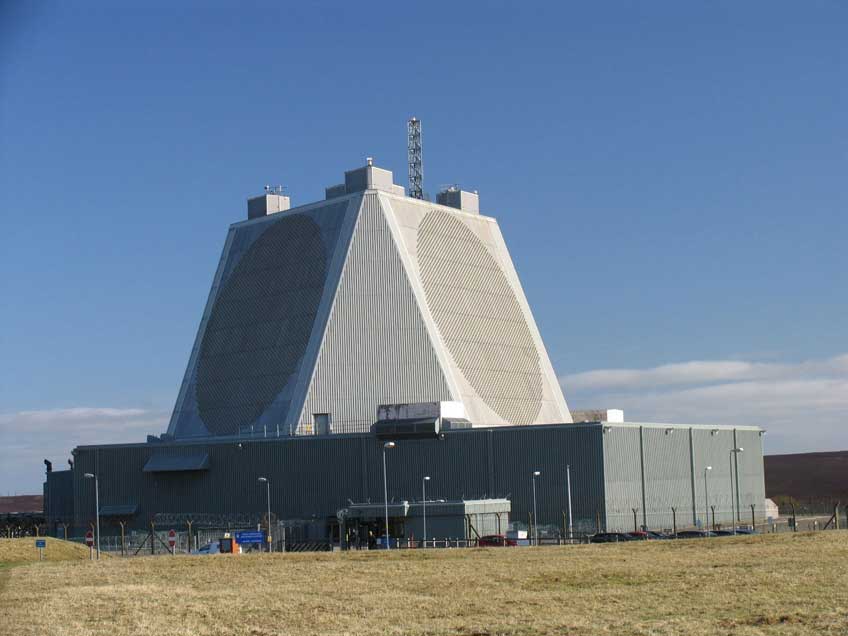
The AN/FPS-132 is a long-range early warning radar system designed primarily for ballistic missile detection and tracking. It plays a crucial role in modern air and missile defence networks by providing early alerts about potential threats.
As per defence reports, the system has a tracking range of up to 5,000 kilometres and is capable of monitoring missile launches across vast regions. It forms part of the US’ global missile defence architecture.
The radar was installed in 2013 at Al Udeid Air Base at an estimated cost of approximately $1.1 billion. The base serves as one of the most significant American military installations in the Middle East.
Strategic Importance In The Gulf
The radar system at Al Udeid is specifically tuned to monitor missile activities in the region, including potential launches from Iran. Its advanced sensors allow for rapid detection, tracking, and coordination with interceptor systems.
Defence analysts say radars like the AN/FPS-132 are indispensable for integrated air defence systems, as they provide critical seconds or minutes of warning needed to activate missile interception platforms.
If confirmed, the destruction of such a system would represent a major disruption to US surveillance capabilities in the Gulf and could impact the defensive umbrella protecting allied states in the region.
Escalation Under “Epic Fury”
The reported strike comes amid a broader military escalation. The US operation in the region has reportedly been named “Epic Fury,” involving one of the largest American force assemblies in recent years.
Under the leadership of Donald Trump, Washington has deployed what officials described as an “armada” of advanced military assets to the region.
Among them are the B-2 Spirit stealth bombers bat-winged aircraft valued at over $1 billion each regarded as one of the most powerful platforms in the US Air Force’s arsenal. Their stealth capabilities allow them to penetrate heavily defended airspace.
Other Military Assets Involved
According to statements from United States Central Command (CENTCOM), several advanced systems have been activated in response to Iranian missile and drone threats.
These include:
- Patriot missile defence systems
- THAAD (Terminal High Altitude Area Defense) systems
- Aircraft carriers
- Guided-missile destroyers
Additionally, the US has deployed Low-cost Unmanned Combat Attack System (LUCAS) one-way drones. Reports suggest that these drones resemble the Iranian-designed Shahed-136 drones that have been used extensively in modern conflicts.
Earlier Coverage : Iran Women’s Football Team Refuses To Sing National Anthem In Protest Amid-War Tensions !
Regional Implications
The reported destruction of the AN/FPS-132 radar, if confirmed, would signal a significant shift in the balance of surveillance and missile defence in the Gulf region. It may also prompt further escalation between Washington and Tehran.
Iranian authorities have maintained that they will continue to respond to military actions targeting their territory, while US officials have stated that operations will persist to safeguard regional stability and American assets.
As tensions mount, defence experts warn that attacks on high-value strategic infrastructure could deepen the conflict and draw in additional regional actors.
(This story has not been independently verified and is based on claims reported by Iranian media outlets.)