







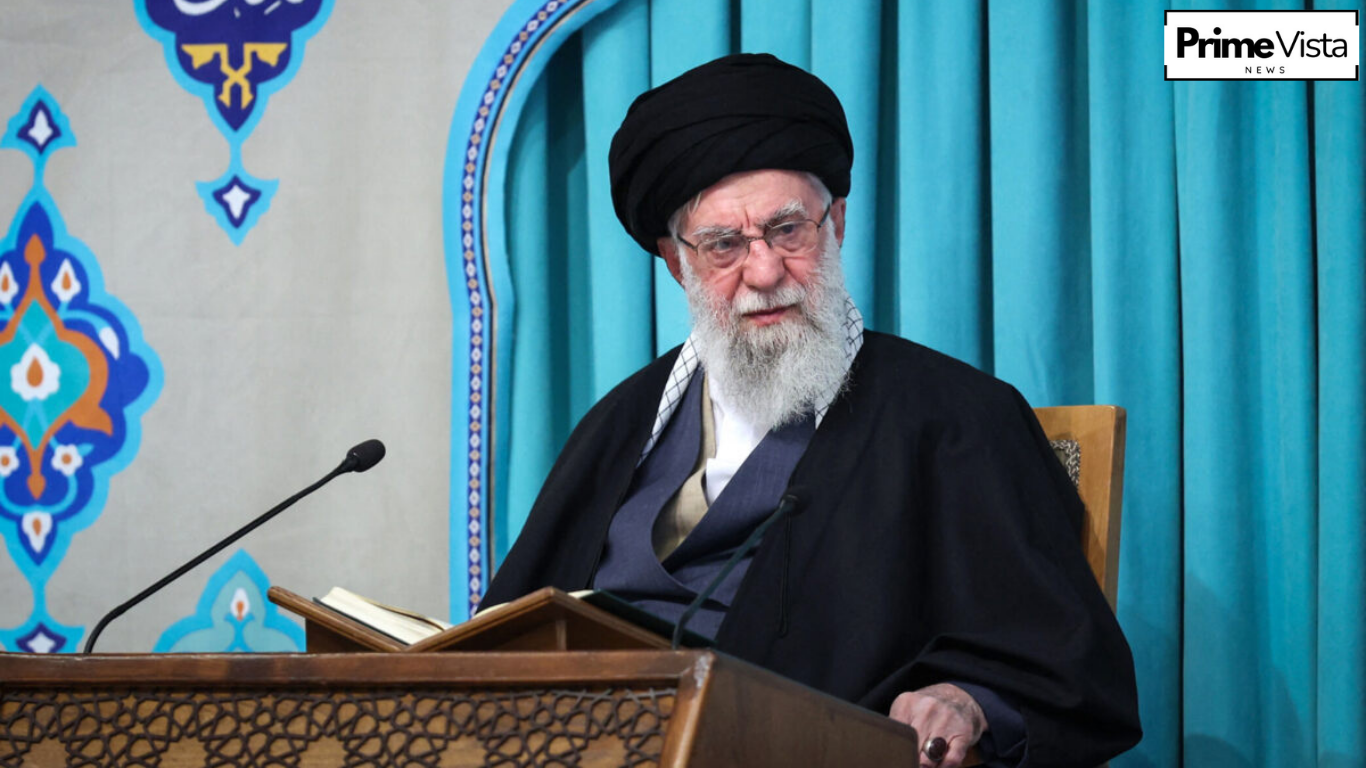
Why India Has Not Condemned Ayatollah Ali Khamenei’s Death Amid West Asia Crisis ?
Prime Vista News
India has adopted a cautious diplomatic stance following the death of Iran’s Supreme Leader Ayatollah Ali Khamenei, emphasizing dialogue and regional stability amid rising West Asia tensions.
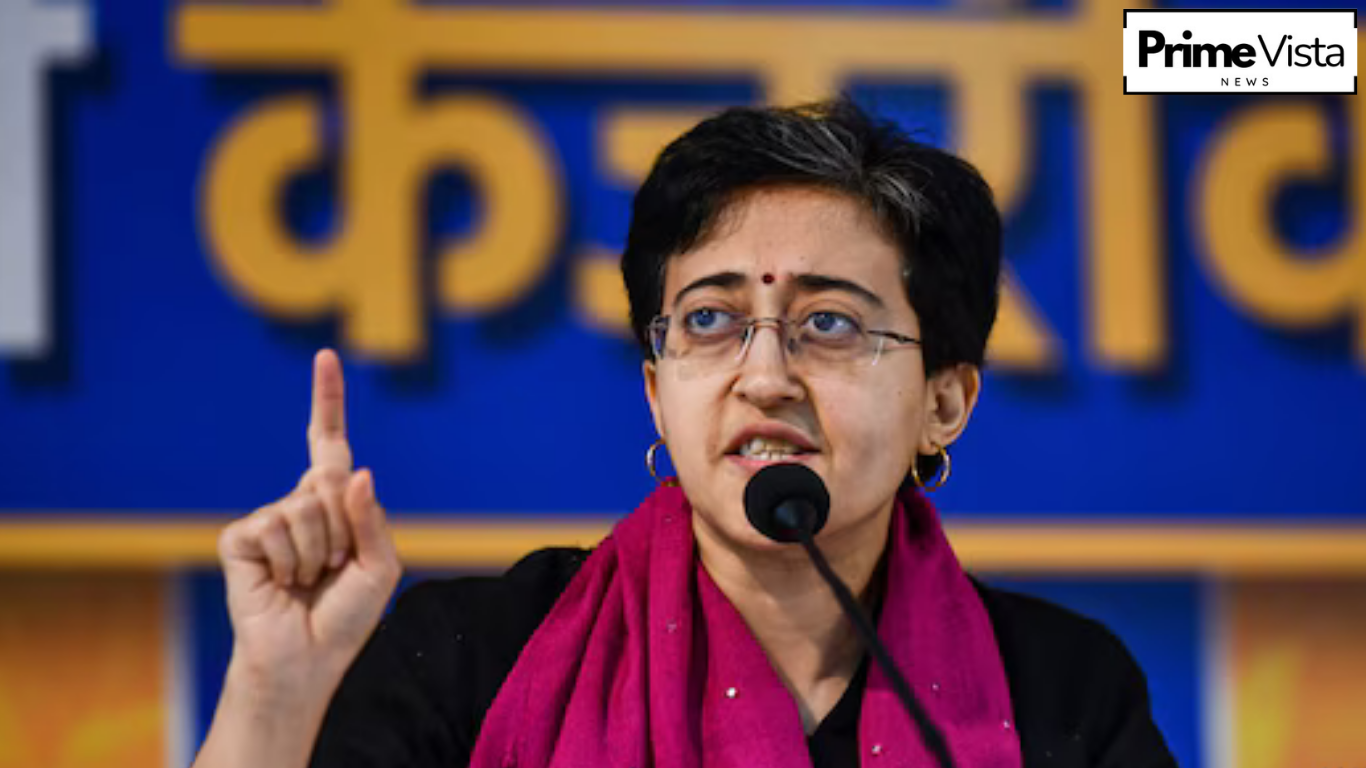
India’s restrained response following the reported death of Iran’s Supreme Leader Ayatollah Ali Khamenei in United States–Israel strikes has triggered political debate at home, with opposition leaders questioning the government’s silence. However, New Delhi’s position reflects a broader diplomatic approach focused on stability rather than public condemnation or endorsement.
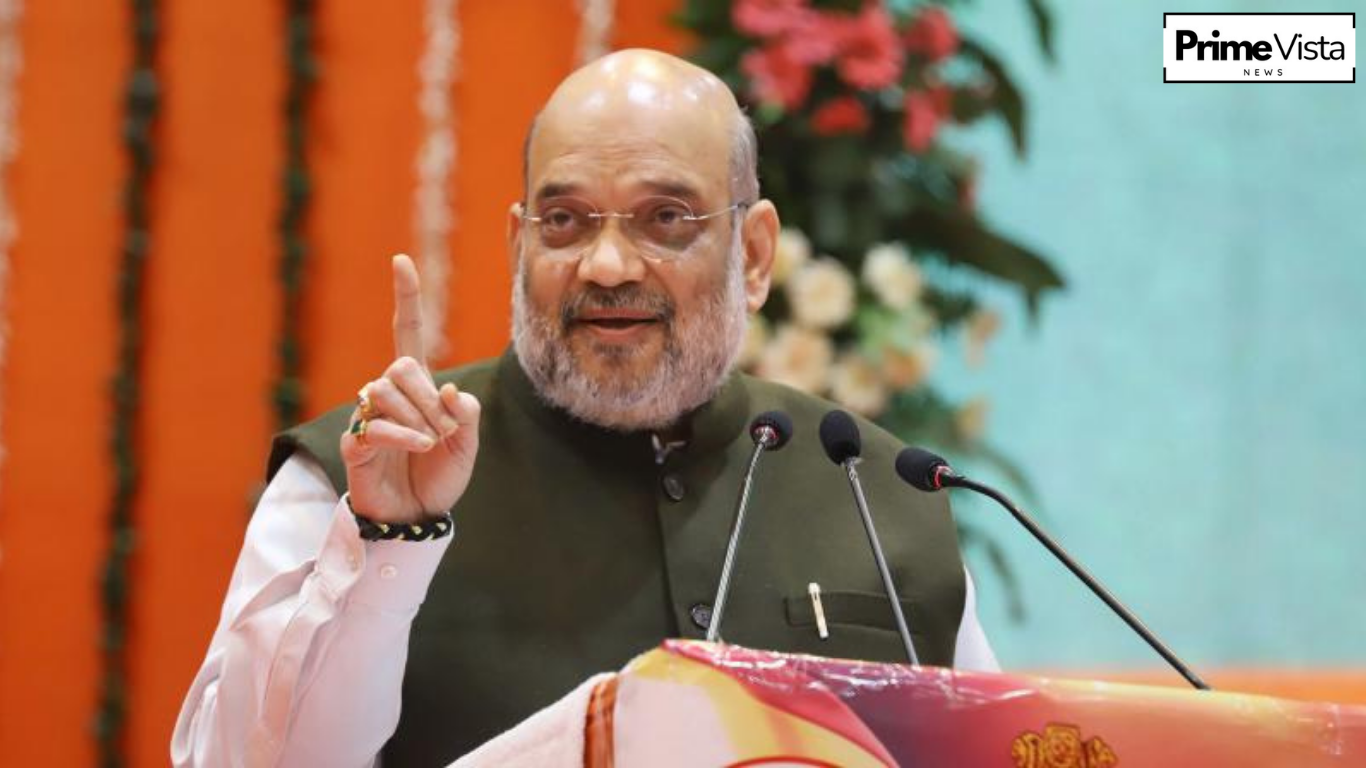
Prime Minister Narendra Modi on Monday described the evolving situation in West Asia as a matter of “grave concern,” underscoring India’s consistent call for peace as tensions continue to rise across the Middle East.
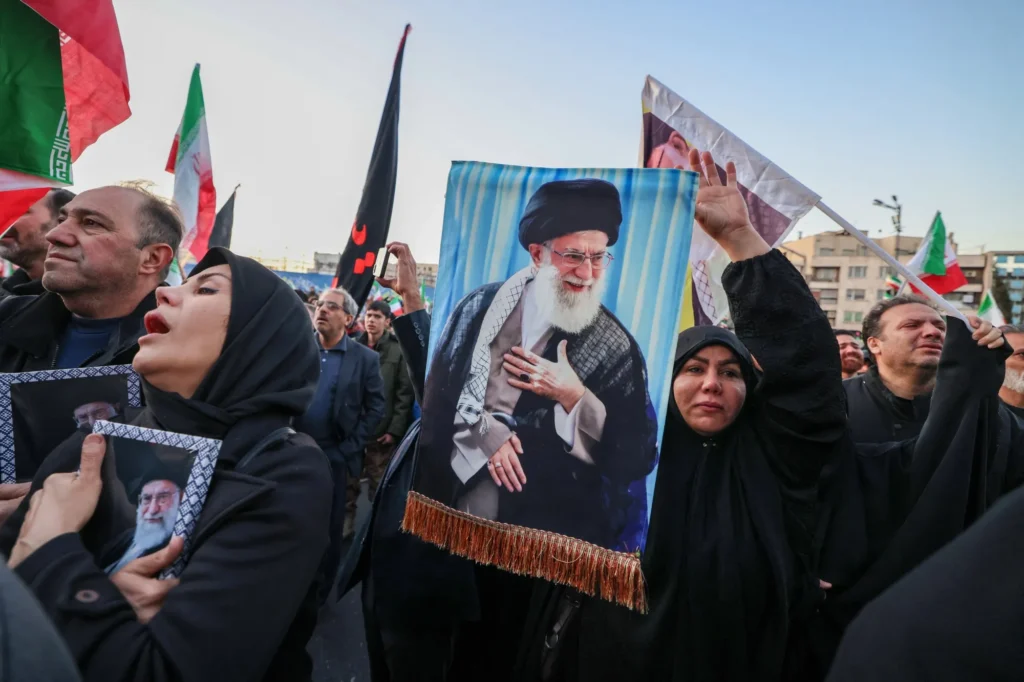
India Emphasizes Dialogue Over Reaction
Speaking during a joint press interaction with Canadian Prime Minister Mark Carney, Prime Minister Modi reiterated that India supports dialogue and diplomacy as the primary means to resolve international conflicts.
“India stands for peace and stability,” he said, adding that disputes in the region should be addressed through engagement rather than escalation.
The government has avoided issuing any direct statement on Khamenei’s death, instead maintaining a carefully measured position urging restraint from all sides. Officials indicate that such an approach is consistent with India’s long-standing foreign policy practice during major geopolitical crises.
Global Responses Show Similar Pattern
International reactions following the development reveal that India is not alone in avoiding condolence statements. No G7 democracy formally mourned the Iranian leader.
United States President Donald Trump described Khamenei as “one of the most evil people in history,” while Israeli Prime Minister Benjamin Netanyahu said justice had been served after decades of hostility toward Israel. Leaders in several Western nations focused their remarks on regional security concerns rather than expressions of sympathy.
Argentina’s President Javier Milei issued strong criticism of Iran’s leadership, while Ukraine’s official government account referred to the event as the death of a dictator. Britain’s Defence Secretary John Healey stated that few would mourn the head of what he called an “evil regime.”
Governments in Australia, France and Canada also highlighted Iran’s role in regional instability while stressing the importance of preventing further escalation. European Union officials adopted a more neutral tone, describing the moment as potentially significant for Iran’s political future.
Gulf Region Maintains Cautious Silence
Reactions across Gulf nations key economic partners for India and home to more than nine million Indian expatriates have largely remained cautious.
Saudi Arabia did not immediately issue public remarks as the Gulf Cooperation Council convened an emergency meeting following Iranian strikes in the region. The United Arab Emirates closed its embassy in Tehran and withdrew its ambassador amid ongoing security concerns.
Japan and Germany expressed worries about regional stability but stopped short of issuing condolence messages.
Among the 57 members of the Organisation of Islamic Cooperation, only a limited number of countries, largely Iran’s close allies, publicly expressed condolences.
Past Differences Shape Diplomatic Approach
Government sources note that relations between Khamenei’s leadership and India had witnessed repeated friction in recent years. Between 2017 and 2024, remarks made by the Iranian Supreme Leader on issues including Kashmir, the revocation of Article 370, the 2020 Delhi riots, and Indian domestic legislation prompted formal diplomatic responses from New Delhi.
Indian authorities had described several of those comments as inaccurate or based on incomplete information, summoning Iranian representatives on multiple occasions.
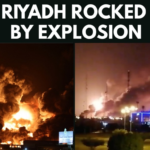
Earlier Report : Saudi Arabia Drawn Deeper Into Middle East Conflict After Drone Strike Near Major Oil Refinery !
Balancing Strategic Interests
India’s response also reflects broader strategic considerations. Over the past decade, New Delhi has balanced ties between Iran, Israel, and Gulf Arab nations while safeguarding energy security and the welfare of millions of Indians living in the region.
Following US sanctions after Washington’s withdrawal from the Joint Comprehensive Plan of Action in 2018, India significantly reduced oil imports from Iran and diversified energy sourcing toward partners including Saudi Arabia, the United Arab Emirates and Russia.
Officials say the current position aims to prevent diplomatic escalation while protecting national interests during a period of heightened regional uncertainty.
As political reactions continue within India, the government’s calibrated silence highlights a familiar principle of foreign policy decision-making: during international crises, restraint often becomes a strategic choice rather than an absence of response.