









El Mencho, El Chapo, El Mayo: How Drug Lord Takedowns in Mexico Trigger Waves of Violence :
Prime Vista News
The killing of CJNG leader El Mencho marks a major win for Mexico’s government but has triggered widespread violence, highlighting how cartel takedowns often fuel instability.
Killing of CJNG chief delivers political victory but unleashes fresh cartel retaliation across Mexico
The killing of Nemesio Rubén Oseguera Cervantes, widely known as El Mencho, marks one of the most significant blows dealt to Mexico’s drug cartels in recent years. But as history has repeatedly shown, the fall of a cartel kingpin often brings not calm but chaos.
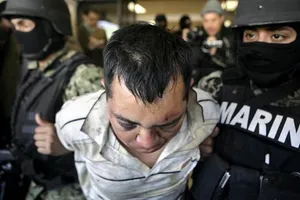
El Mencho, the co-founder and leader of the Jalisco New Generation Cartel (CJNG), was killed during a large-scale military operation conducted by Mexican security forces under the government of President Claudia Sheinbaum. Authorities said Oseguera Cervantes was wounded during the raid and later died while being airlifted to Mexico City.
Within hours of his death, violent retaliation erupted across multiple regions of the country, underscoring the volatile consequences of dismantling cartel leadership.
Violence Spreads Across Eight States
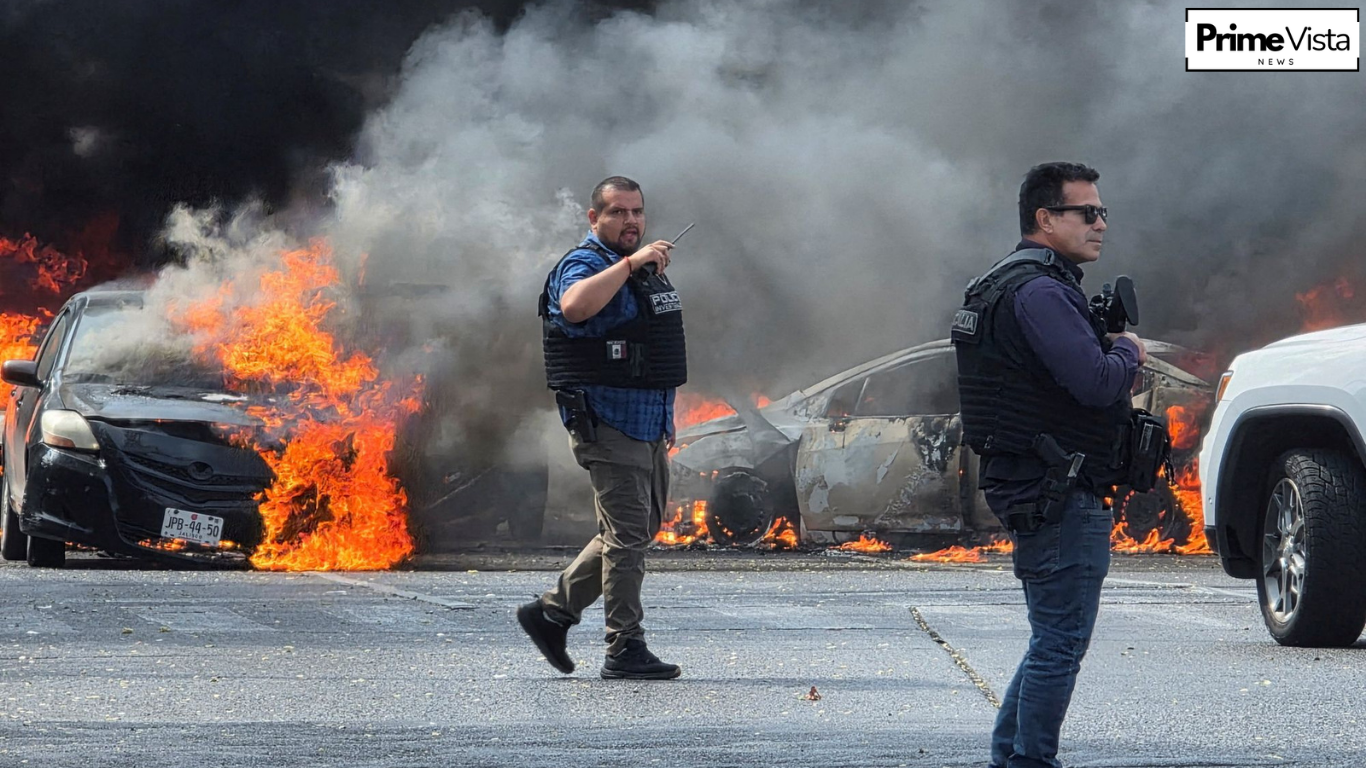
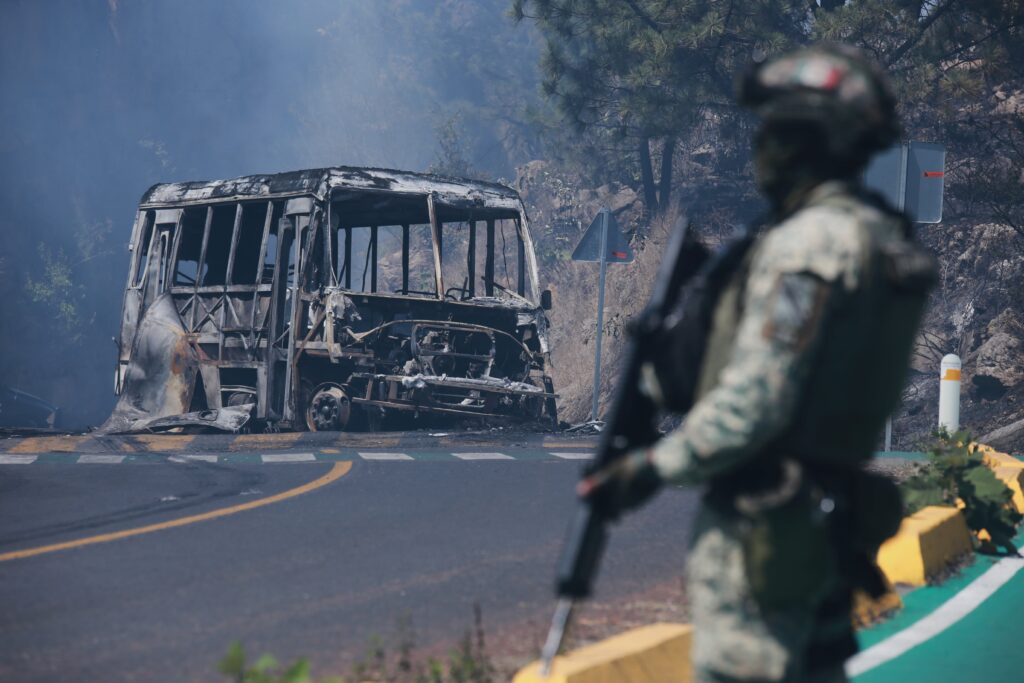
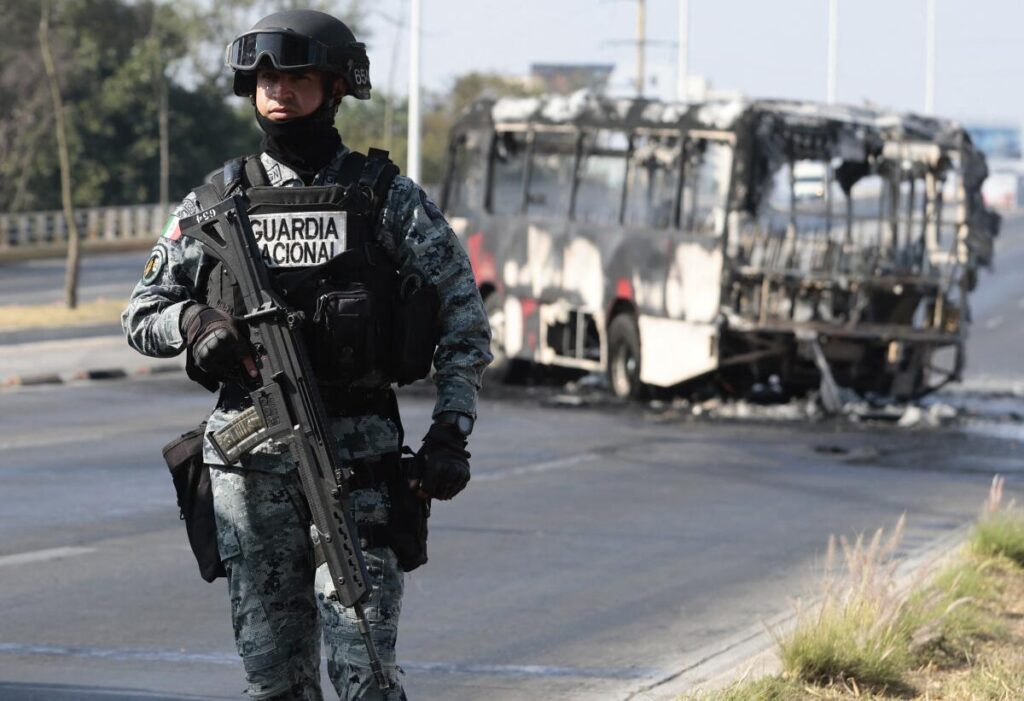
Following confirmation of El Mencho’s death, CJNG fighters launched coordinated attacks across at least eight Mexican states, plunging large parts of the country into disruption. Local authorities reported highway blockades, torched vehicles, armed clashes, and attacks on infrastructure.
Schools were shut down in affected areas, while flights to and from Puerto Vallarta and Guadalajara were cancelled amid security concerns. Gunmen blocked major roads using burning vehicles, a tactic long employed by cartels to paralyse government response and assert control.
States reporting violence include Jalisco, Michoacán, Guanajuato, Colima, Nayarit, Tamaulipas, Guerrero, and Nuevo León, according to local officials.
A Political and Diplomatic Win for Sheinbaum
For President Claudia Sheinbaum, El Mencho’s killing represents a major political victory early in her administration. Since taking office in 2024, her government has intensified operations against drug cartels and corrupt networks within state institutions.
The takedown is also viewed as a positive signal for Mexico’s relationship with the United States, particularly at a time when US President Donald Trump has repeatedly threatened tariffs and economic penalties over drug trafficking and border security.
US officials described the operation as a significant step forward, with senior figures praising Mexico’s actions against organized crime. However, analysts warn that diplomatic gains may be overshadowed by domestic instability.
Who Was El Mencho?
At 59, El Mencho was one of the most feared and powerful crime bosses in the Western Hemisphere. He transformed CJNG into a highly militarised organisation involved in drug trafficking, extortion, fuel theft, and arms smuggling, with operations extending well beyond Mexico.
The US government had placed a $15 million bounty on his head, making him one of the most wanted criminals in the world.
His death places him alongside other notorious cartel leaders taken down in recent years most notably Joaquín “El Chapo” Guzmán and Ismael “El Mayo” Zambada, founders of the Sinaloa Cartel.
Earlier Coverage : Rahul Gandhi – Said “He’ll Join My Gym”, Mohammad Deepak After Meeting Congress Leader
El Chapo, El Mayo and the Sinaloa Legacy
El Chapo’s arrest in 2016 marked a turning point in Mexico’s drug war, but it did not dismantle the Sinaloa Cartel. Instead, leadership passed to his sons, known as the Chapitos, who modernised operations and expanded fentanyl trafficking.
In January 2023, Ovidio Guzmán López was arrested, followed by the dramatic July 2024 arrest of Joaquín Guzmán López, who landed in Texas alongside El Mayo Zambada. By December 2025, Guzmán López had pleaded guilty in a US court, admitting to overseeing large-scale drug production and smuggling.
Despite these arrests, the Sinaloa Cartel remains active, now led by Iván Guzmán Salazar and Jesús Alfredo Guzmán Salazar, both of whom carry $10 million bounties.
Why Cartel Takedowns Fuel Violence
Experts say the chaos following El Mencho’s killing follows a familiar pattern. Removing cartel leaders often sparks power struggles, revenge campaigns, and efforts to reassert territorial control.
Security analysts warn that cartels typically retaliate by targeting police, military installations, politicians, and civilian infrastructure. Assassinations, bombings, and kidnappings have long been used as tools of intimidation.
Cartels also frequently block highways and border crossings, disrupting trade and economic activity a tactic already seen in the aftermath of Sunday’s raid.
A Long War With No Easy End
Mexico’s war against drug cartels has stretched over two decades, often with intelligence and logistical support from the United States. Yet deep-rooted corruption and cartel influence within institutions have made lasting victories elusive.
With US pressure mounting including demands for direct military intervention Mexico faces a delicate balancing act between asserting sovereignty and maintaining bilateral ties.
El Mencho’s death may be celebrated as a “great achievement”, but it also highlights a hard truth: taking down kingpins does not end cartel power it reshapes it.
As violence continues to ripple across Mexico, the country once again confronts the paradox at the heart of its drug war success on paper, instability on the ground