








IAF Grounds Tejas Fleet After February 7 Incident, Orders Comprehensive Safety Checks :
Prime Vista News
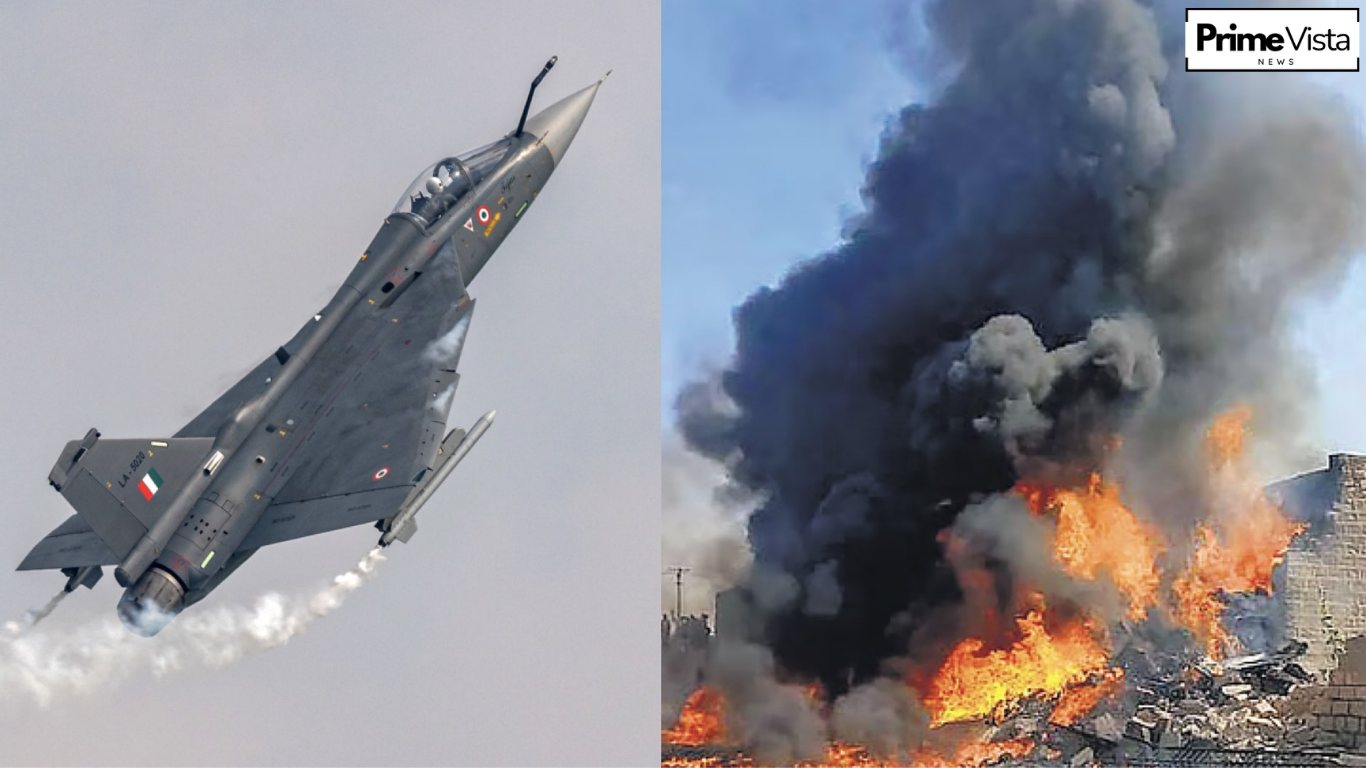
The Indian Air Force has grounded its entire Tejas fighter fleet after a February 7 runway incident, ordering comprehensive inspections as a Court of Inquiry probes the cause.
Fleet-wide inspections ordered as Court of Inquiry probes cause; HAL terms incident a technical event
The Indian Air Force (IAF) has temporarily grounded its entire fleet of Tejas light combat aircraft and ordered comprehensive inspections following a runway incident involving one of the jets earlier this month, sources familiar with the matter said. The decision underscores the Air Force’s cautious approach as it seeks to establish the precise cause of the incident before returning the aircraft to operational duties.
The move affects 35 Tejas fighter jets currently in service, marking a rare but significant pause in operations for India’s indigenous combat aircraft programme.
What Happened on February 7
The grounding follows an incident on February 7, when a single-seat Tejas aircraft veered off the runway during take-off from a forward base along the western front. According to sources, the aircraft skidded into an adjoining mud ditch while accelerating for departure.
At the time of the incident, the jet was nearing take-off speed, which can exceed 170 kilometres per hour. The pilot sustained injuries but was reported to be safe, avoiding a more serious outcome.
While initial assessments did not immediately indicate catastrophic failure, the Air Force opted for a fleet-wide review given the operational phase during which the incident occurred.
Comprehensive Fleet Inspections Underway
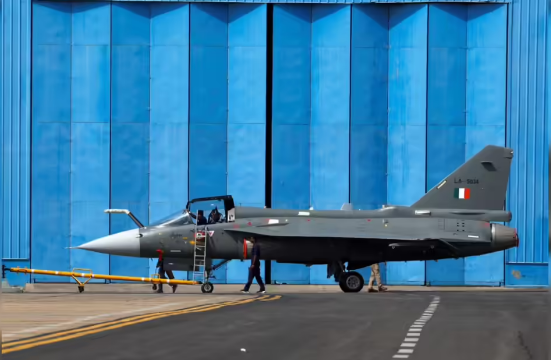
As the exact cause remains undetermined, the IAF has ordered detailed technical checks across the entire Tejas fleet. These inspections include a close examination of the undercarriage metallurgy, which supports the aircraft’s wheels, as well as the electromagnetic braking system used during take-off and landing.
Sources also indicated that onboard software systems are being reviewed as part of the investigation, reflecting the growing importance of integrated digital controls in modern fighter aircraft.
The Air Force has not issued an official public statement on either the incident or the temporary grounding, a standard practice while internal assessments and inquiries are ongoing.
Court of Inquiry Ordered
A Court of Inquiry has been convened to determine the precise sequence of events and identify any technical or procedural lapses that may have contributed to the incident. Officials familiar with the process said the aircraft involved sustained significant airframe damage and may be written off, subject to final assessment.
If confirmed, this would mark the third loss of a Tejas aircraft since the fighter’s induction into the IAF in 2016.
The first crash occurred near Jaisalmer in March 2024, when a Tejas jet went down during a return sortie from a firepower demonstration. The pilot ejected safely.
The second incident took place in November 2025 during an aerobatic display at the Dubai Airshow, in which Wing Commander Namansh Syal lost his life.
HAL’s Response: ‘Not a Crash’
Aircraft manufacturer Hindustan Aeronautics Limited (HAL) has maintained that the February 7 event should not be classified as a crash. In a statement, HAL described the episode as a minor technical incident on the ground, stating that it occurred before the aircraft became airborne.
“As part of standard operating procedures, the issue is being analysed in detail,” HAL said, adding that it is working closely with the Indian Air Force to resolve the matter at the earliest.
HAL also asserted that the LCA Tejas maintains one of the strongest safety records among contemporary fighter aircraft worldwide, a claim it has reiterated following previous incidents.
Earlier Report : Vishal Bhardwaj Hopes to Collaborate With Shah Rukh Khan: “Inshallah, This Time the Miracle Happens”
Operational Context and Delivery Delays
Of the 40 Tejas aircraft originally ordered, 35 are currently operational, with two aircraft yet to be delivered by HAL. The temporary grounding comes at a time when the IAF is also awaiting the induction of 180 Tejas Mark 1A jets, a more advanced variant intended to bolster frontline squadrons.
Deliveries of the Mark 1A, however, are running approximately two years behind schedule, adding pressure on existing fleets as the Air Force manages squadron strength amid regional security demands.
Defence analysts note that while fleet-wide groundings can impact short-term readiness, such measures are often viewed as essential to long-term safety and reliability particularly for aircraft operating from forward bases under demanding conditions.
Balancing Safety and Readiness
The Tejas programme remains central to India’s push for self-reliance in defence manufacturing, and the aircraft continues to play an expanding role in the IAF’s operational planning. The current pause is seen within the services as a precautionary step rather than a setback, reflecting lessons learned from global aviation safety practices.
As the inquiry progresses and inspections conclude, a phased return to service is expected, contingent on findings and any corrective measures recommended.
For now, the focus remains on ensuring that every Tejas aircraft meets the Air Force’s safety and performance standards before resuming flight operations.