













India to Explore Joint Anti-Ballistic Missile Defense With Israel Ahead of PM Modi’s Visit !
Prime Vista News
India is set to deepen strategic and defense cooperation with Israel during Prime Minister Narendra Modi’s upcoming visit, with discussions expected on joint development of anti-ballistic missile defense, laser weapons, and long-range strike systems.
New Delhi :
India is preparing to expand its strategic and defense partnership with Israel, including exploring the joint development of an anti-ballistic missile defense system, as Prime Minister Narendra Modi prepares for a two-day official visit to Israel from February 25 to 26.
According to officials familiar with the discussions, the visit is expected to focus on strengthening long-term defence collaboration, technology sharing, and strategic cooperation between the two countries. While both sides are likely to sign a Memorandum of Understanding (MoU) on security cooperation, no standalone defence procurement contract is expected to be finalised during the visit.
Officials told Prime Vista News that the absence of a specific defence deal does not reflect a slowdown in cooperation. Instead, bilateral defence engagement between India and Israel is described as an ongoing and evolving process between close strategic partners, with cooperation estimated to be worth around USD 10 billion over the coming years.
Focus on Missile Defence and Advanced Technologies
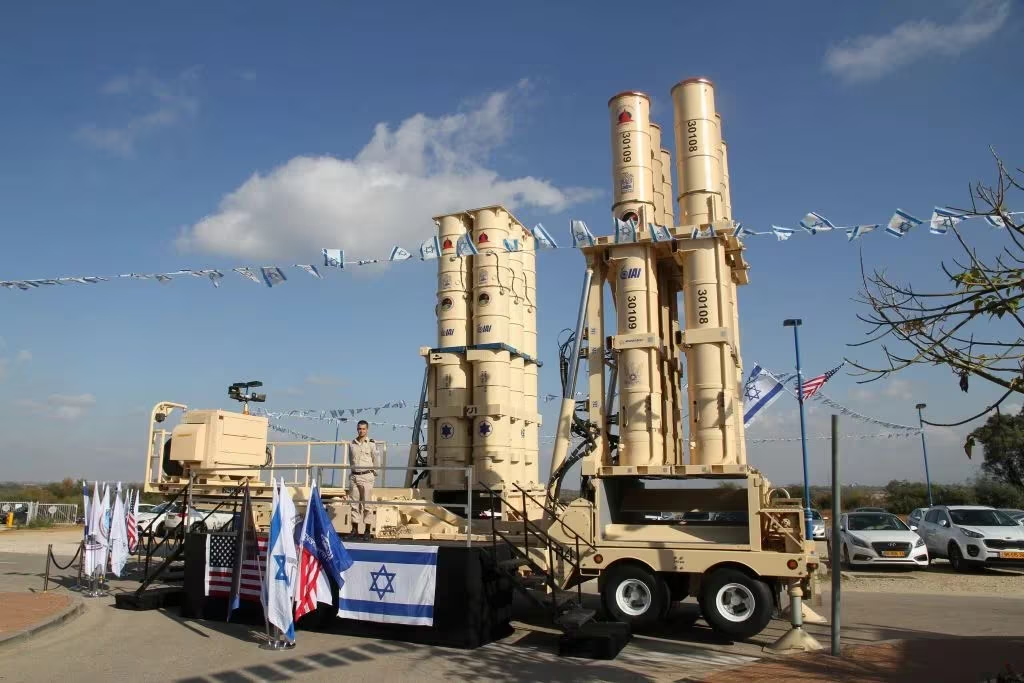
A key area under discussion is the possible joint development of an anti-ballistic missile defence system, aligned with India’s indigenous missile shield initiative, Mission Sudarshan. Announced earlier by Prime Minister Modi, the mission aims to strengthen India’s capability to defend its hinterland against long-range missile threats.
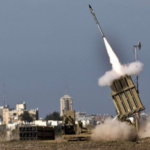
Israel is regarded as a global leader in missile defence technology, having developed a layered defence architecture that includes the long-range Arrow system, the medium-range David’s Sling, and the short-range Iron Dome. Israeli systems have demonstrated operational effectiveness, including during missile interception operations in recent regional conflicts.
Officials indicated that India is studying Israeli expertise as it seeks to enhance its own multi-layered missile defence capabilities under Mission Sudarshan.
Technology Sharing and Laser Defence Systems
Although both governments have remained tight-lipped ahead of the visit, it is understood that Israel has agreed in principle to share advanced defence technologies with India, including high-energy laser-based air defence systems and other long-range stand-off weapons.
Officials described this as a significant development, noting that Israel had previously exercised restrictions on the transfer of certain high-end technologies. The expanded cooperation reflects growing strategic trust between the two nations, officials added.
The foundation for this enhanced engagement was laid during Defence Secretary R.K. Singh’s visit to Israel in November last year, when an MoU on expanded defence cooperation was signed, paving the way for broader collaboration across multiple defence domains.
Long-Range Strike and Loitering Systems
India is also exploring the acquisition of long-range missiles and loitering munitions capable of being launched from air, land, and sea platforms, allowing strikes beyond the reach of adversary air defence systems.
According to officials, such systems were employed during Operation Sindoor, when Indian forces used a range of precision-guided munitions and loitering ammunition against targets across the border. These included Rampage air-to-surface missiles, Palm 400 systems, and Harpy and Harop loitering munitions.
In this category, India is evaluating systems such as Spice 1000 long-range glide bombs, Air LORA air-launched ballistic missiles, and the Ice Breaker long-range missile system. The Indian Navy is also examining options to acquire an extended-range version of the Barak surface-to-air missile system to enhance protection of its warships against aerial and surface-launched threats.
Earlier Coverage : Trump Says US Trade Policy Toward India Unchanged Following Supreme Court Tariff Ruling
Strategic Alignment Beyond Defence
Officials emphasised that the India-Israel partnership extends beyond defence cooperation. During Prime Minister Modi’s visit, the two sides are expected to hold dialogues across multiple sectors, including science and technology, agriculture, clean drinking water, and advanced research areas such as quantum computing.
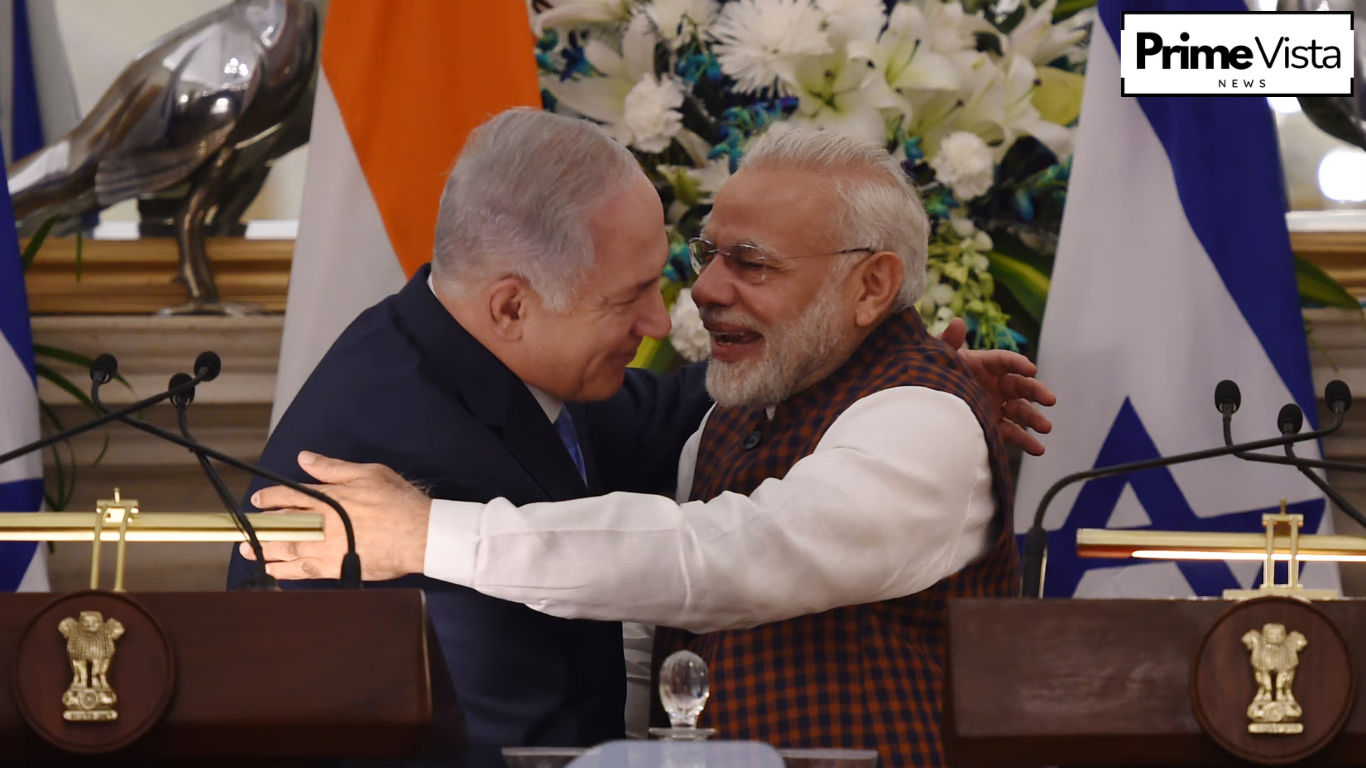
The visit also reflects the strong personal rapport between Prime Minister Modi and Israeli Prime Minister Benjamin Netanyahu. Officials said both leaders share converging views on regional security and have consistently voiced a unified stance against terrorism.
No Immediate Deals, Long-Term Vision
While no major defence contracts are expected to be signed during the visit, officials stressed that the absence of formal announcements should not be seen as a lack of progress. Instead, India and Israel are focusing on long-term collaboration, joint development, and strategic alignment rather than transactional agreements.
As India continues to modernise its armed forces and expand its indigenous defence capabilities, partnerships with trusted allies such as Israel are expected to play a critical role in shaping future defence preparedness.