













Cocoa and Tea May Protect (Blood Vessels) From Prolonged Sitting Damage, University of Birmingham Study Finds:
Prime Vista News
A University of Birmingham study finds that flavanol-rich cocoa may help protect blood vessels from damage caused by prolonged sitting. Here’s what the research says about vascular health and sedentary lifestyles.
Long hours at desks, in cars, or on couches have become routine in modern life. But while the health risks of prolonged sitting are well documented, new research suggests that certain dietary choices may help offset some of its immediate impact on blood vessel function.
A study conducted by researchers at the University of Birmingham has found that flavanols naturally occurring compounds present in cocoa, tea, fruits and some nuts may help protect blood vessels from the harmful effects of uninterrupted sitting. The findings were published in The Journal of Physiology.
The Hidden Risk of Sitting Too Long
Prolonged sedentary behavior has been associated with obesity, type 2 diabetes, cardiovascular disease, and reduced muscle strength. Beyond these broader risks, scientists have increasingly focused on how extended sitting affects vascular function specifically, the ability of blood vessels to dilate and regulate blood flow efficiently.
A key measure used in cardiovascular research is flow-mediated dilation (FMD), which evaluates how arteries respond to increased blood flow. Even a 1% reduction in FMD has been linked in earlier research to a significantly higher risk of heart disease and stroke.
With office-based work and screen-heavy routines now common across age groups, researchers have been examining practical interventions that may help counter short-term vascular impairment caused by sitting.
Inside the Research
The Birmingham study involved 40 healthy young men. Participants were divided into two groups based on fitness levels one with higher cardiorespiratory fitness and another with lower fitness levels.
Each participant consumed either a high-flavanol cocoa drink containing 695 mg of flavanols or a low-flavanol drink containing just 5.6 mg. After consumption, they sat continuously for two hours.
Women were not included in the study because hormonal fluctuations, particularly variations in oestrogen, can influence vascular responses. Researchers noted that future studies should explore similar effects across broader populations.
Earlier Report : Gurugram Chartered Accountant Arrested for Alleged Murder of Pregnant Banker Wife After Fake Robbery Claim.
Key Findings
Participants who consumed the low-flavanol drink experienced measurable declines in vascular function after two hours of uninterrupted sitting. Researchers observed reduced FMD in both arm and leg arteries, along with increased diastolic blood pressure and decreased blood flow and oxygen delivery to leg muscles.
By contrast, those who consumed the high-flavanol cocoa drink did not show a decline in vascular function. Their blood vessel responsiveness remained comparable to levels measured before sitting began.
Importantly, the protective effect was observed regardless of whether participants were in the higher-fitness or lower-fitness group. This suggests that even individuals who are physically fit are not immune to the short-term vascular effects of prolonged sitting.
Researchers described the findings as the first to demonstrate that flavanols can prevent sitting-induced vascular dysfunction in healthy young men.
What This Means for Daily Habits
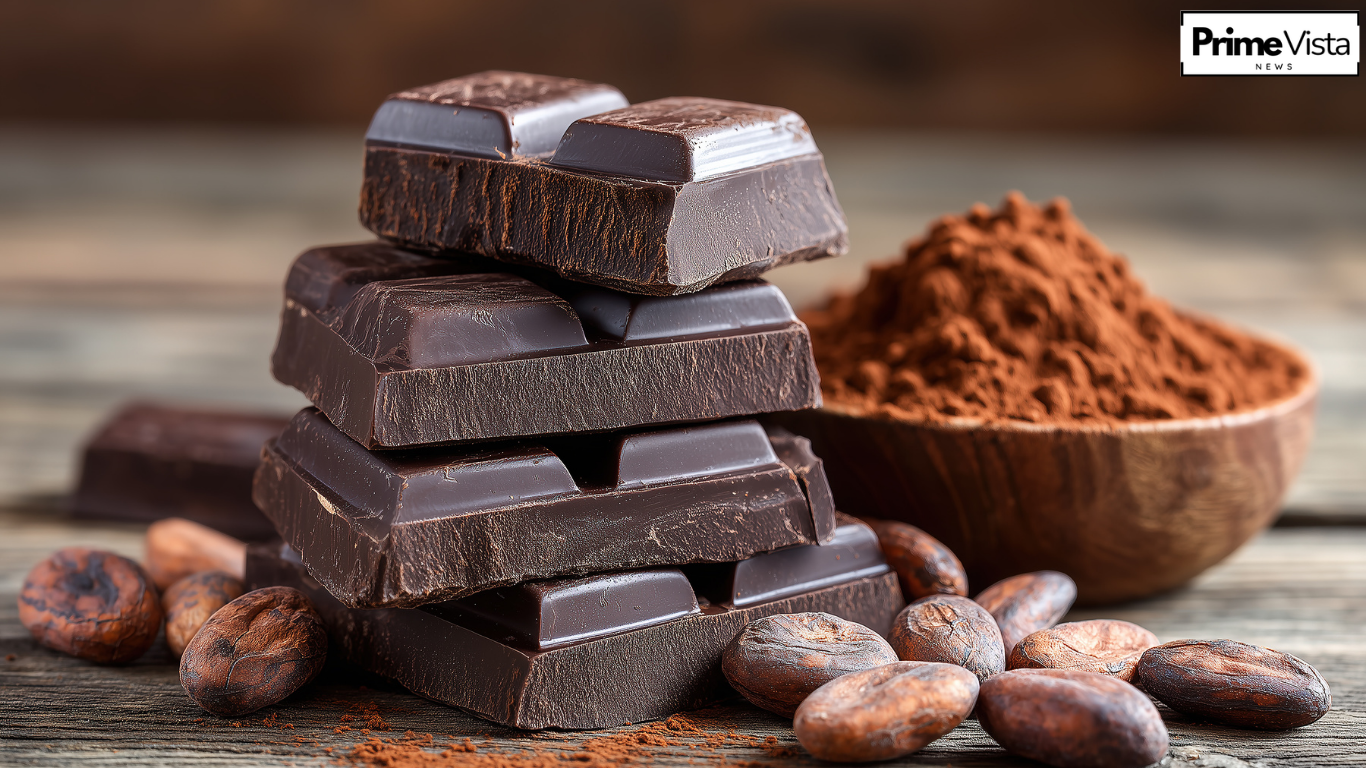
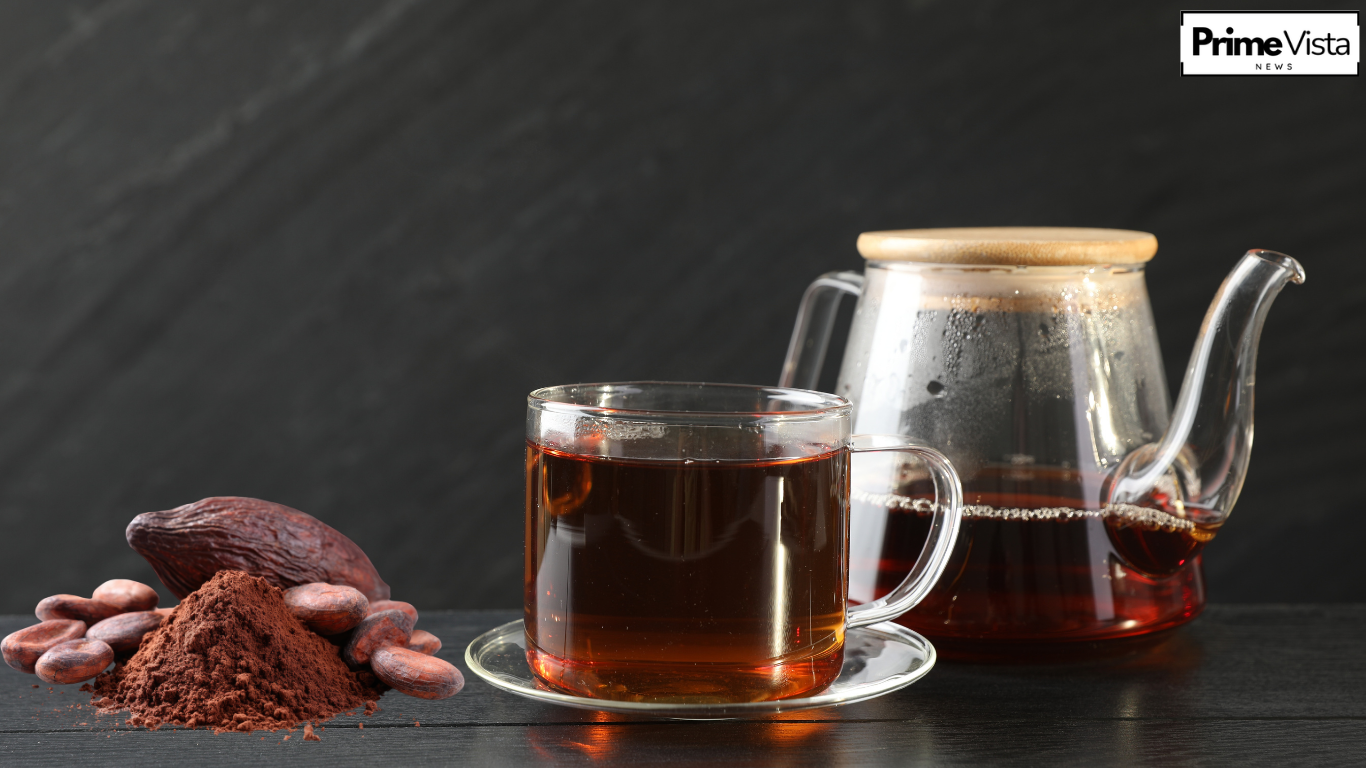
The study adds to a growing body of evidence that diet can influence cardiovascular health in measurable ways. Flavanol-rich foods are relatively accessible and include dark cocoa products (particularly those processed to preserve flavanol content), black and green tea, apples, berries, plums and certain nuts.
However, researchers emphasized that dietary strategies should complement not replace regular movement. Breaking up sitting time with short walks, standing intervals or light activity remains one of the most effective ways to maintain vascular health.
The findings do not suggest that consuming cocoa or tea can eliminate long-term cardiovascular risk associated with sedentary lifestyles. Rather, flavanols may help buffer short-term declines in blood vessel function during periods of inactivity.
Limitations and Future Research
While the results are promising, the study was limited to a relatively small sample of healthy young men and focused on short-term outcomes. It does not establish whether flavanol intake can prevent chronic cardiovascular disease or fully offset the broader risks of inactivity.
Larger and longer-term studies including women and older adults are needed to better understand how flavanol consumption influences cardiovascular health over time.
The Takeaway
The research highlights a simple but potentially meaningful insight: certain foods rich in flavanols may help protect blood vessels during periods of prolonged sitting. But they are not a substitute for physical activity, balanced nutrition, or medical care where needed.
As sedentary habits continue to define modern routines, combining smart dietary choices with regular movement remains the cornerstone of long-term heart health.
Disclaimer:
This article is for general information purposes only and does not constitute medical advice. Readers should consult qualified healthcare professionals for personalized guidance.