















Senior US Pathologist Disputes Suicide Ruling in Jeffrey Epstein Death, Calls for Fresh Investigation :
A senior US forensic pathologist challenges the suicide ruling in Jeffrey Epstein’s 2019 jail death, citing neck fractures and urging a renewed probe.
PRIME VISTA NEWS
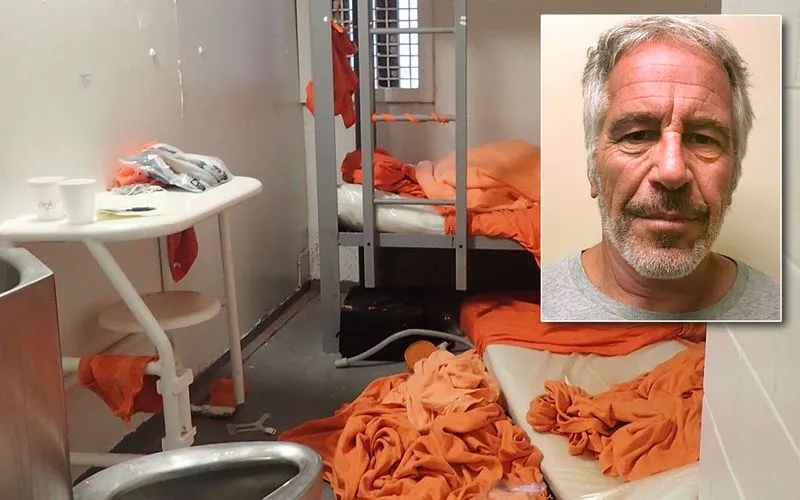
More than five years after the death of financier Jeffrey Epstein inside a federal jail cell, renewed questions have surfaced following fresh comments from a senior American forensic pathologist who observed the autopsy.
Epstein, who was awaiting trial on federal sex trafficking charges, was found unresponsive in his cell at the Metropolitan Correctional Center in Manhattan in August 2019. The New York City Medical Examiner’s Office later ruled the death a suicide by hanging a conclusion that has remained the official position of authorities.
However, Dr Michael Baden, a veteran forensic pathologist retained by Epstein’s family and present during the post-mortem examination, has publicly disputed that finding. Speaking to The Telegraph, Dr Baden said the medical evidence, in his view, was more consistent with strangulation than suicidal hanging.
“My opinion is that his death was most likely caused by strangulation pressure rather than hanging,” he said.
Disagreement Over Autopsy Findings
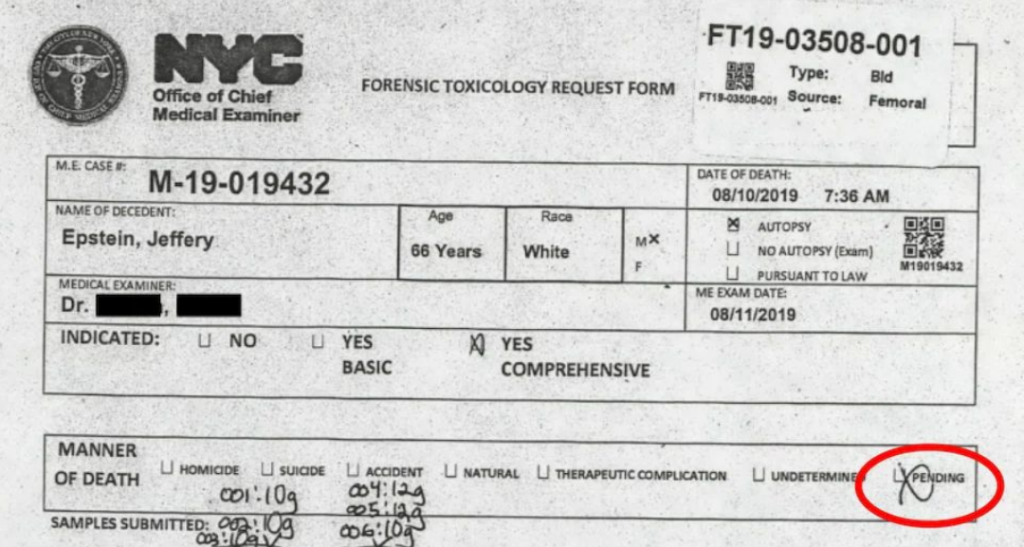
Although Dr Baden did not conduct the autopsy himself, he attended the examination on August 11, 2019. He has argued that the initial documentation left the manner of death unresolved, with neither suicide nor homicide formally selected at the time.
According to Dr Baden, the official determination of suicide was made several days later. He has questioned whether additional investigative steps were taken before that classification was issued.
Dr Barbara Sampson, who served as New York City’s chief medical examiner at the time, later concluded that Epstein died by suicide. Dr Baden has stated that she was not present during the post-mortem examination itself.
Authorities have consistently stood by the original ruling.

Neck Fractures at the Centre of Debate
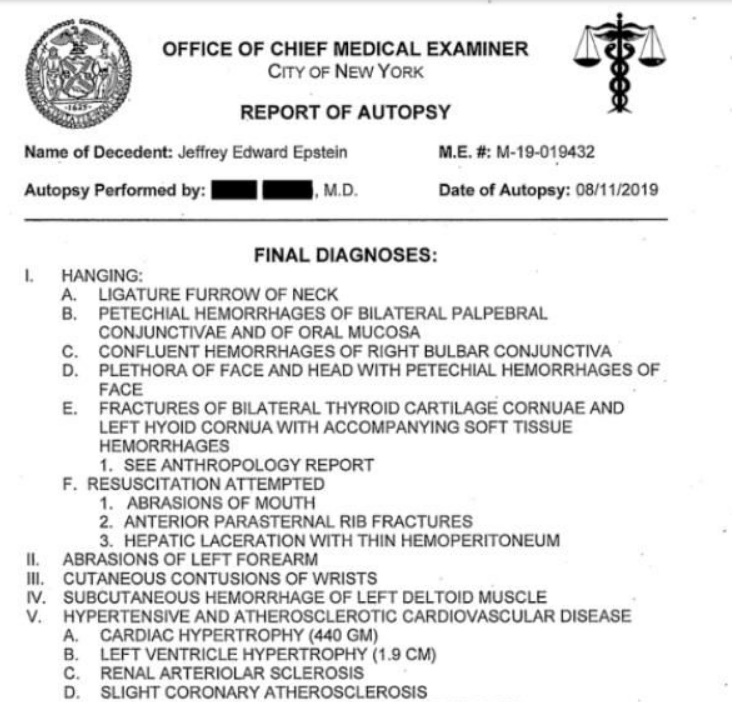
A central point of contention involves three fractures identified in Epstein’s neck, including injuries to the hyoid bone and thyroid cartilage.
Dr Baden has maintained that such fractures are uncommon in suicidal hangings, particularly among individuals of Epstein’s age. He argued that even a single fracture would typically prompt consideration of homicide, while multiple fractures would warrant comprehensive investigation.
“These are findings that textbooks say are not typically seen in suicides,” he said, adding that he had rarely encountered similar patterns in his own experience involving hanging cases.
Dr Sampson, however, has publicly stated that fractures of this nature can occur in both suicides and homicides, especially in older individuals. She has continued to defend the suicide determination.
Surveillance and Procedural Questions
Public debate surrounding Epstein’s death has been sustained by concerns about jail supervision and surveillance footage. Reports have previously noted gaps in camera recordings from the night of his death, including a missing minute of CCTV footage and an unexplained visual anomaly described as an “orange flash” near the stairwell outside his cell.
Officials have said that these issues do not alter the overall conclusion of suicide. Nonetheless, critics argue that such irregularities have contributed to lingering doubts and intensified calls for greater transparency.
Internal reviews by the Federal Bureau of Investigation and the US Department of Justice have reaffirmed that Epstein died by suicide. The official stance of federal authorities has not changed.
Earlier Report: RBI Tightens Capital Market Exposure Norms for Banks, New Collateral Rules to Take Effect April 2026.
A Veteran Forensic Voice
Dr Baden, now 91, is among the most recognisable figures in American forensic pathology. Over a decades-long career, he has participated in high-profile investigations and independent reviews involving the deaths of Martin Luther King Jr., John F. Kennedy, George Floyd, and victims connected to the O.J. Simpson case.
In several instances, his assessments have differed from official conclusions, often reigniting public and legal scrutiny.
In Epstein’s case, Dr Baden has reiterated that the totality of medical and procedural concerns justifies a renewed inquiry.
“Given all the information that has since become available, further investigation into the cause and manner of death is warranted,” he said.
Official Position Unchanged
Despite renewed scrutiny, federal agencies continue to affirm that Epstein died by suicide while in custody. No new formal investigation has been announced.
Yet the case remains one of the most controversial custodial deaths in recent American history. The combination of medical disagreement, procedural lapses, and unresolved public questions has ensured that debate over Epstein’s death persists long after the official ruling.