









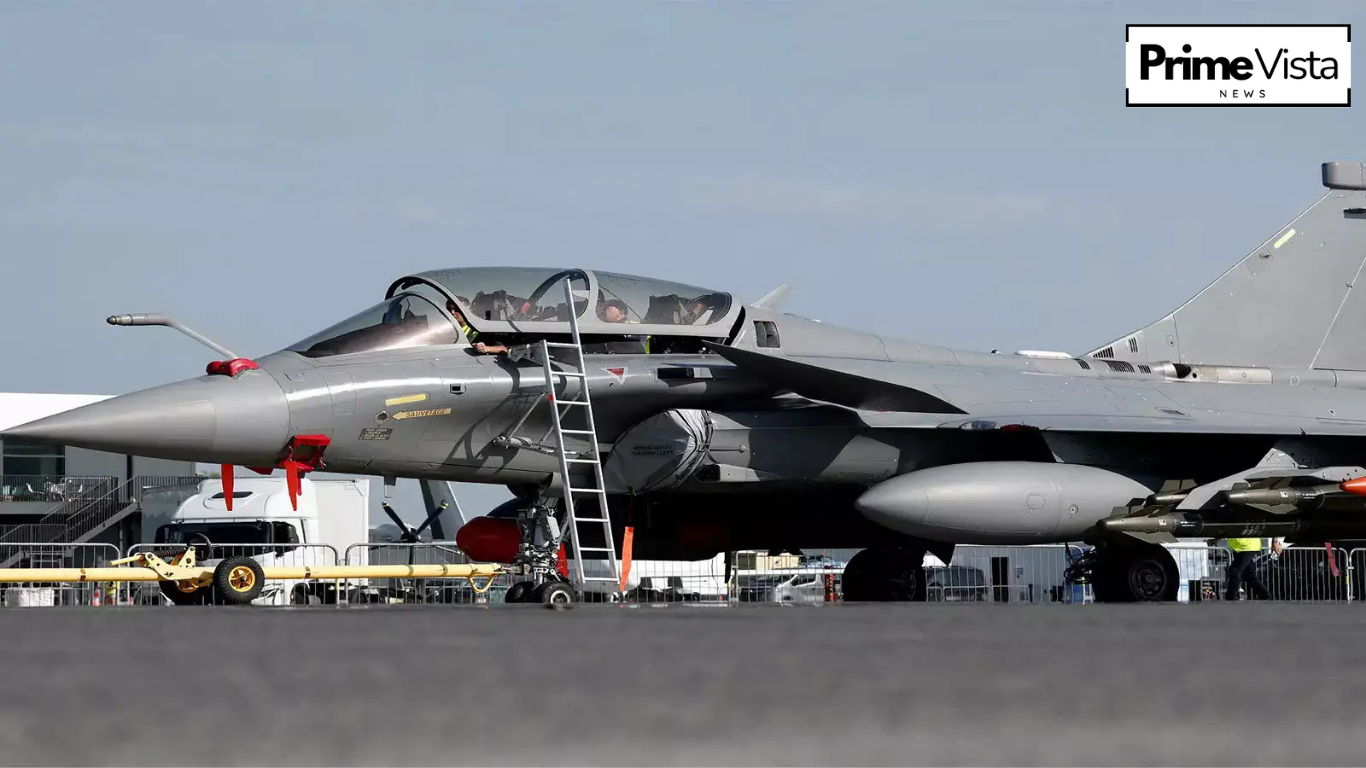
Prime Vista News Explains: India’s ₹63,000 Crore Rafale-M Fighter Deal-What It Is and Why It Matters :
PRIME VISTA NEWS
India has signed a ₹63,000 crore deal for Rafale-M naval fighter jets. Here’s what the aircraft brings, why the Navy needs it, and how it reshapes India’s maritime air power.
By the end of this decade, India’s skies both over land and sea will be guarded by one of the most formidable fighter fleets in the world. More than 60 French-made Rafale jets, armed with advanced missiles, sensors, and electronic warfare systems, are set to form the backbone of India’s air power across the Indian Air Force and the Navy.
At the centre of this transformation is India’s ₹63,000 crore agreement for 26 Rafale-M fighter jets, a deal that marks a critical upgrade for the Indian Navy’s carrier-based aviation capabilities.
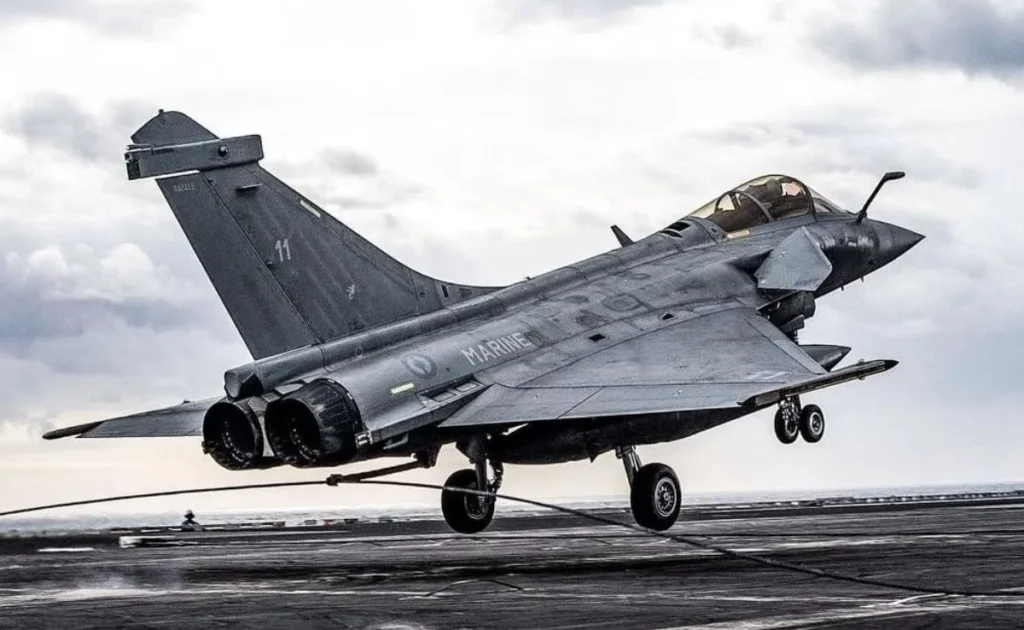
The Rafale Fleet India Will Operate
India already operates 36 Rafale ‘C’ variants with the Indian Air Force. The final aircraft from this batch was delivered in December last year, completing a process that began in the aftermath of the 2019 Balakot air strikes and accelerated India’s air combat modernisation.
The new agreement adds a naval dimension to that capability. Under the deal, India will induct 22 single-seat Rafale-M fighters and four twin-seat trainer variants. These jets will be deployed aboard India’s aircraft carriers INS Vikrant and INS Vikramaditya, providing integral air cover to carrier battle groups operating across the Indian Ocean Region.
The contract also includes comprehensive maintenance, logistics, and training support under a local Maintenance, Repair and Overhaul (MRO) framework ensuring high availability and operational readiness over the aircraft’s lifecycle.
Why the Navy Chose the Rafale-M
The Indian Navy had initially projected a requirement for 57 carrier-borne fighters. Budgetary and operational realities have limited the current order to 26, but naval planners believe the shortfall will be offset by the Rafale-M’s significantly higher reliability and sortie generation rate compared to the Russian-origin MiG-29K fleet it will supplement.
The Rafale-M is a purpose-built carrier fighter, designed for short take-offs and arrested landings at sea. It features reinforced landing gear, strengthened undercarriage, and foldable wings engineering essentials for sustained carrier operations.
Crucially, it is operated by only two navies worldwide: France and, soon, India. That exclusivity gives New Delhi a qualitative edge in regional maritime air power.
Firepower and Technology
The Rafale-M brings a wide spectrum of weaponry and sensors to India’s naval aviation.
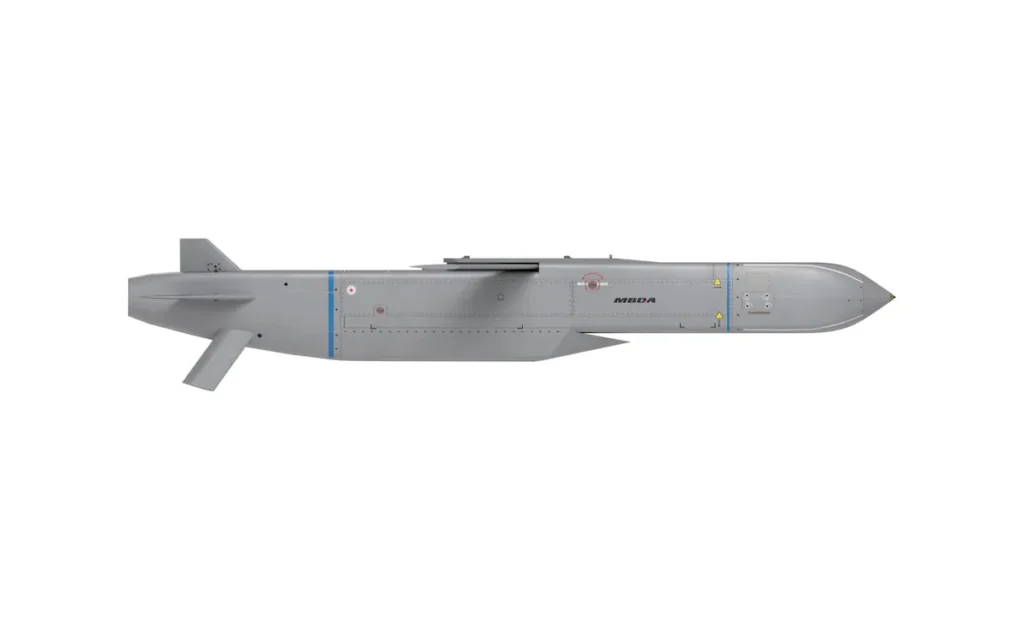
Alongside French-origin systems such as the Exocet anti-ship missile and the SCALP air-launched cruise missile capable of striking hardened targets more than 250 kilometers away the aircraft will also carry Indian-developed weapons. These include the Astra Mark-I beyond-visual-range air-to-air missile and the Rudram Mark-II supersonic anti-radiation missile, reflecting a growing emphasis on indigenous systems.
The jet can also deploy the Meteor very-long-range air-to-air missile, precision-guided munitions such as HAMMER, and advanced electronic warfare suites that allow it to operate effectively in heavily contested environments.
Strategic Context: China, Pakistan, and the Seas Beyond
India’s decision to move quickly on the Rafale-M is rooted in regional security realities. China’s rapid naval expansion, including the induction of carrier-borne J-15 fighters and the steady growth of its aircraft carrier fleet, has altered the balance of power in the Indo-Pacific.
Pakistan, meanwhile, continues to modernise its air force and deepen defence cooperation with Beijing.
For India, a capable naval fighter is not optional. Carrier-based aircraft provide air defence for warships, protect sea lanes, and allow power projection hundreds of kilometres from the coastline. With two operational aircraft carriers, India requires fighters that can deliver air superiority, strike capability, and sustained endurance at sea.
The Rafale-M meets those requirements and does so with systems already familiar to Indian pilots and maintenance crews.
For Context : India Inches Toward Its Biggest Defense Deal Ever: ₹3.25 Lakh Crore Rafale Agreement Nears Clearance.
A Force Multiplier
Another advantage lies in commonality. With both Air Force and Navy operating Rafale variants, India can leverage shared training, logistics, and tactics. The aircraft’s “buddy-buddy” aerial refuelling capability allows one Rafale to refuel another mid-air, extending mission endurance without dedicated tankers an especially valuable feature in maritime operations.
The Bigger Picture
The Rafale-M deal signals more than a fleet upgrade. It reflects India’s determination to secure air dominance over its maritime approaches at a time of heightened geopolitical competition. It also reinforces the country’s shift toward platforms that combine combat-proven performance with long-term sustainment and industrial cooperation.
As India prepares for a more contested maritime environment, the Rafale-M will stand at the sharp end of its naval air power quietly but decisively reshaping the balance in the skies above the seas.