







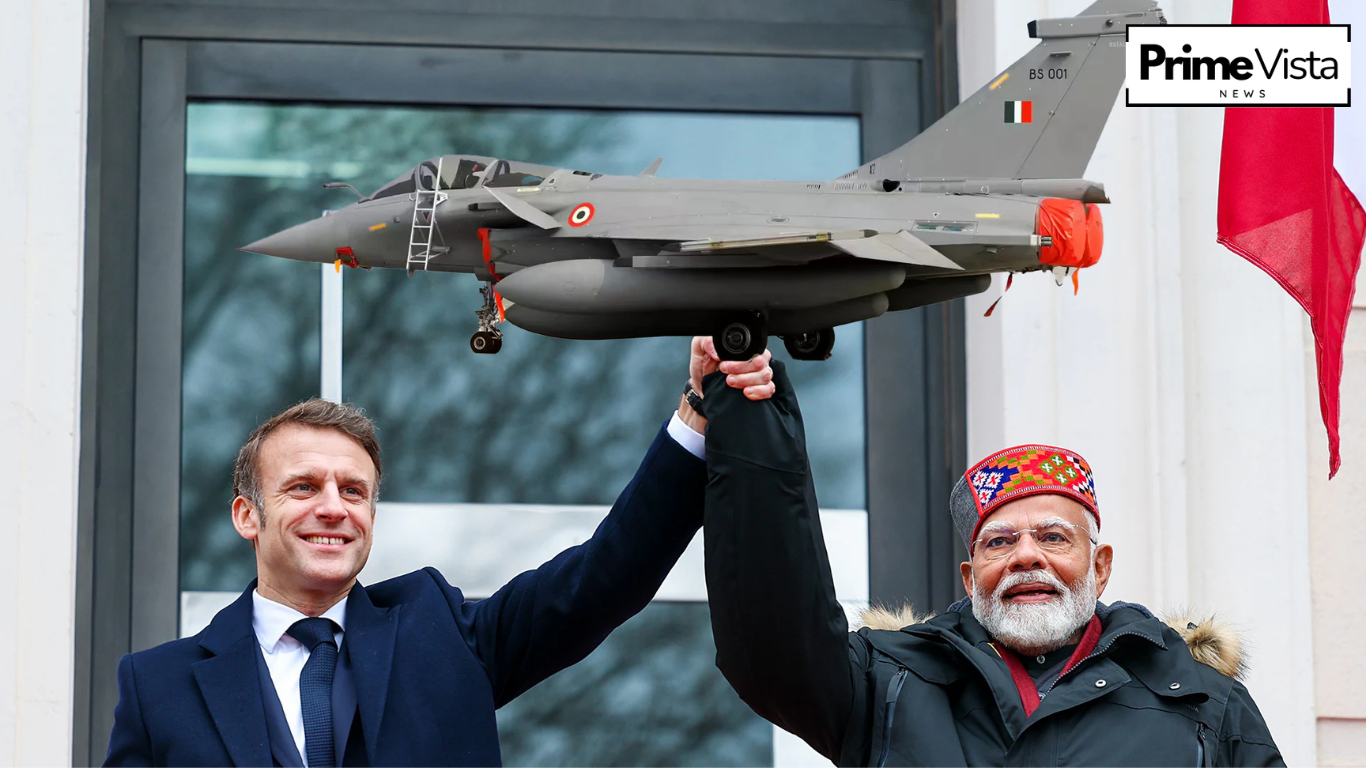
India Inches Toward Its Biggest Defence Deal Ever: ₹3.25 Lakh Crore Rafale Agreement Nears Clearance !
PRIME VISTA NEWS
India is close to approving a ₹3.25 lakh crore deal for 114 Rafale fighter jets, its largest defense purchase ever, reshaping air power, manufacturing, and India–France strategic ties.
India is on the threshold of finalising the largest defence acquisition in its history, with the government expected to clear a ₹3.25 lakh crore deal for 114 Rafale fighter jets under the Indian Air Force’s long-pending Multi-Role Fighter Aircraft programme.
According to officials familiar with the process, the proposal is likely to receive approval from the Defence Ministry this week, a development that comes just ahead of French President Emmanuel Macron’s visit to New Delhi. The timing is being seen as significant, highlighting the growing strategic and industrial partnership between India and France.
If approved, the agreement would surpass all previous Indian weapons purchases in scale and value. More importantly, it would mark a decisive step in India’s effort to modernize its air combat fleet at a time when squadron strength remains well below sanctioned levels.
Beyond a Purchase, a Strategic Shift
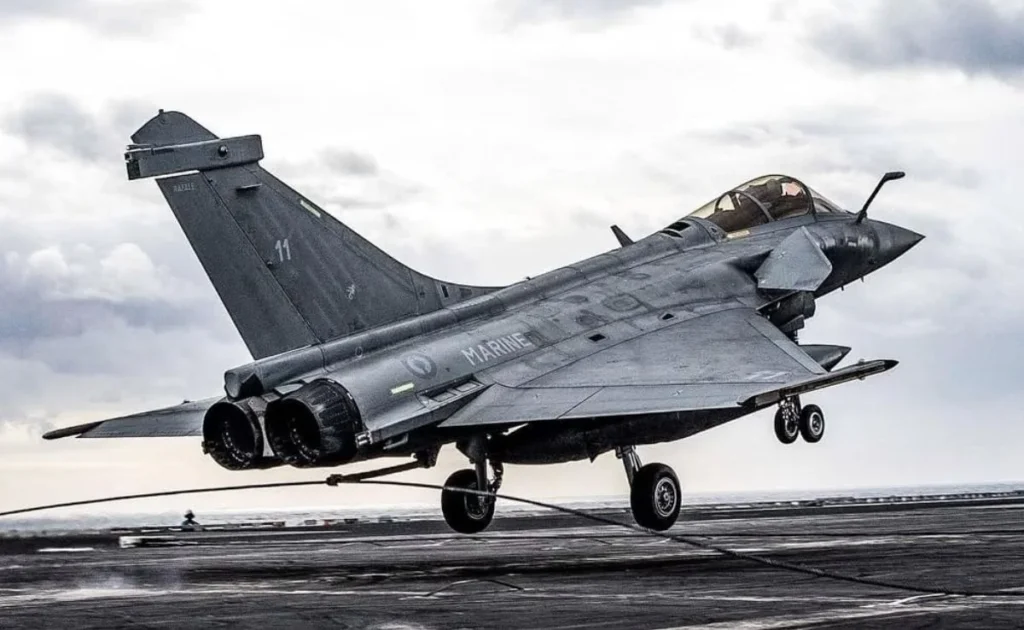
The Rafale deal is not merely about acquiring aircraft. A central feature of the agreement is the plan to manufacture a large portion of the jets reportedly close to 100 in India. This would involve the transfer of advanced aerospace technologies and the creation of a long-term industrial ecosystem, a goal New Delhi has pursued for years in major defense contracts.
Such an arrangement would significantly deepen India’s role in global fighter aircraft production and strengthen its domestic defence manufacturing base under the “Make in India” initiative. Defence analysts say the move could have lasting implications for India’s ability to independently sustain and upgrade its combat aircraft fleet.
A Familiar Aircraft, Expanding Fleet
India already operates 36 Rafale ‘C’ variants, with the Indian Air Force receiving the final aircraft in December 2024. These jets are deployed with the Golden Arrows squadron at Ambala and the Falcons at Hasimara in West Bengal, providing operational coverage across key strategic fronts.
In parallel, India has signed a separate ₹63,000 crore contract for 26 Rafale ‘M’ variants for the Indian Navy. These carrier-capable fighters are intended for deployment aboard INS Vikrant and INS Vikramaditya and are expected to be delivered by 2030. The naval deal also includes twin-seat trainers and long-term maintenance, logistics, and training support.
With the proposed 114-aircraft acquisition, India would become one of the largest Rafale operators in the world outside France.
Combat-Proven and Mission-Ready
The Rafale has already been tested in Indian service. The aircraft participated in Operation Sindoor, India’s military response to the Pahalgam terror attack last year, and has been deployed in high-altitude operations in Ladakh.
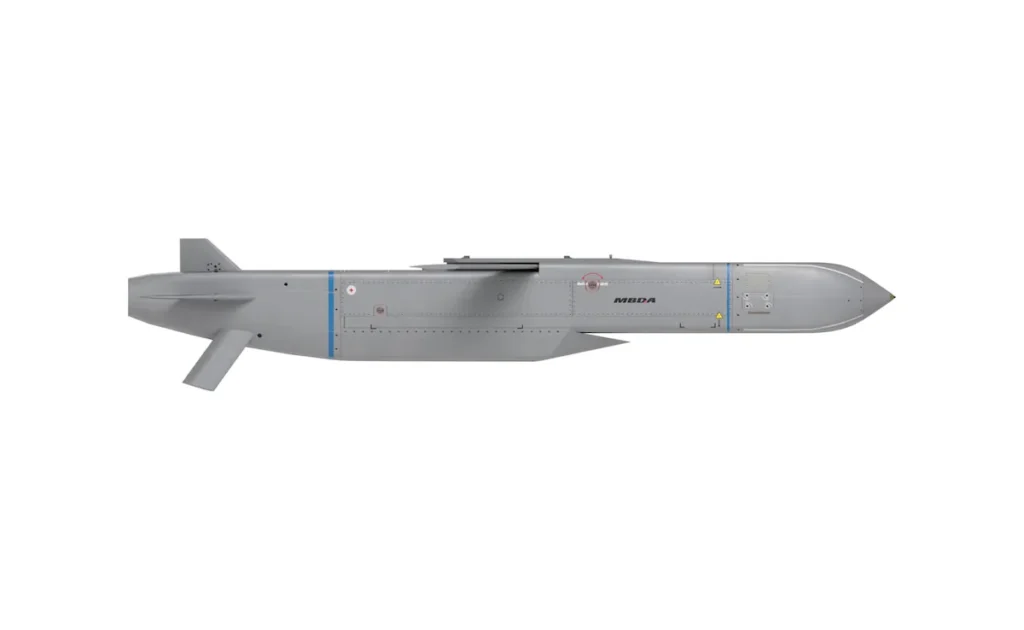
The fighter is capable of carrying the SCALP air-launched cruise missile, which can strike hardened targets at distances exceeding 250 kilometres with high precision. It also supports the Meteor long-range air-to-air missile, HAMMER stand-off weapons, and an advanced electronic warfare suite known as SPECTRA. These capabilities have made the Rafale a key component of India’s frontline air combat strategy.
Globally, the aircraft has seen combat in multiple theatres, including Iraq and Libya, reinforcing its reputation as a versatile and reliable multi-role platform.
Industrial Momentum Builds
India–France defence cooperation has already moved beyond procurement. In June last year, Dassault Aviation and Tata Advanced Systems Limited announced multiple technology transfer and production agreements aimed at accelerating Rafale manufacturing.
Under these arrangements, Tata is setting up an advanced production facility in Hyderabad to manufacture key structural components of the Rafale, including fuselage sections. The first assemblies are expected to roll out in 2028, with a target of producing two complete fuselages per month. Final assembly of the aircraft will continue at Dassault’s facility in France.
In Other News : White House Issues Factsheet Clarifying India–US Trade Deal After Trump’s “Zero Tariff” Remarks.
The Road Ahead
Even as it strengthens its Rafale fleet, India is pursuing indigenous next-generation fighter programmes. The Indian Navy plans to induct a domestically developed, twin-engine, deck-based fighter, while the Air Force continues work on the Advanced Medium Combat Aircraft project.
Taken together, these efforts signal a broader shift in India’s defense posture from reliance on imports to a model combining strategic partnerships with domestic capability building.
If cleared, the ₹3.25 lakh crore Rafale deal will stand as a watershed moment in India’s defense planning, shaping the country’s air power and industrial capacity for decades to come.