













White House Issues Factsheet Clarifying India–US Trade Deal After Trump’s “Zero Tariff” Remarks :
PRIME VISTA NEWS
The White House has released a detailed fact sheet outlining the contours of a new India–United States trade framework, offering clarification after former President Donald Trump claimed that India had agreed to cut tariffs on American goods to “zero.” The document seeks to explain the scope of the agreement and temper interpretations of earlier remarks that had sparked concern among trade stakeholders, particularly in India.
Describing the arrangement as a “historic” step forward, the White House said the deal would significantly expand access for American goods and services to the Indian market of more than 1.4 billion people. Under the framework, the United States has agreed to reduce the reciprocal tariff applied to Indian exports from 25 per cent to 18 per cent, signalling a partial easing of trade frictions between the two countries.
The factsheet addressed President Trump’s assertion that India would eliminate both tariff and non-tariff barriers on US products. While acknowledging New Delhi’s commitment to substantial market opening, the White House clarified that the agreement involves the elimination or reduction of tariffs on a broad range of goods, rather than the immediate removal of all duties across sectors.
According to the statement, India has agreed to eliminate or reduce tariffs on all US industrial goods and on a wide selection of agricultural and food products. These include dried distillers’ grains, red sorghum, tree nuts, fresh and processed fruits, certain pulses, soybean oil, wine, spirits, and other specified items. The move is expected to improve access for US exporters in sectors that have long sought greater entry into the Indian market.
The White House also confirmed that the US would remove an additional 25 per cent tariff previously imposed on Indian imports. This concession, the statement said, reflects India’s commitment to halt purchases of Russian oil, a step that aligns with broader US efforts to discourage global energy trade with Moscow.
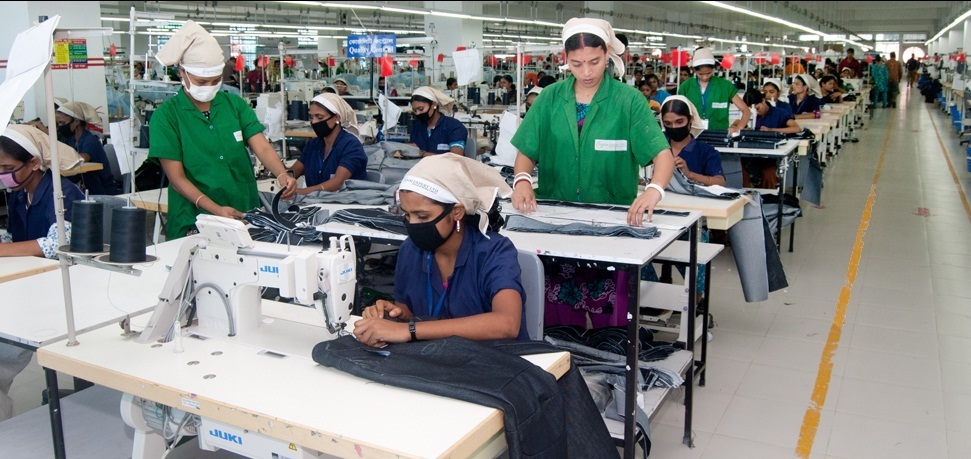
Beyond tariff adjustments, the framework includes significant commercial commitments. India has agreed to increase its purchases of American goods and services, including energy, information and communication technology, agricultural products, coal, and related sectors. The White House said these commitments could amount to more than $500 billion over time, though no detailed timeline was provided.
The statement further noted that India has agreed to address non-tariff barriers affecting bilateral trade, particularly in priority sectors. Such barriers, often linked to regulatory practices, standards, or licensing requirements, have been a recurring concern for US businesses operating in India.
A key element of the agreement relates to digital trade. The White House said India would remove its digital services taxes and enter negotiations on a comprehensive set of bilateral digital trade rules. These discussions are expected to focus on reducing discriminatory or burdensome practices and ensuring that customs duties are not imposed on electronic transmissions.
As Reported Earlier : Kimbal Musk Issues Clarification on References in Newly Released Epstein Files
The framework also includes a commitment to negotiate rules of origin designed to ensure that trade benefits primarily accrue to the United States and India, limiting the potential for third-country circumvention. Both countries further agreed to strengthen economic security cooperation, including measures to improve supply-chain resilience, coordinate on export controls, and align investment review processes.
The factsheet said bilateral trade in technology products would be significantly expanded, alongside deeper joint cooperation in critical and emerging technologies.
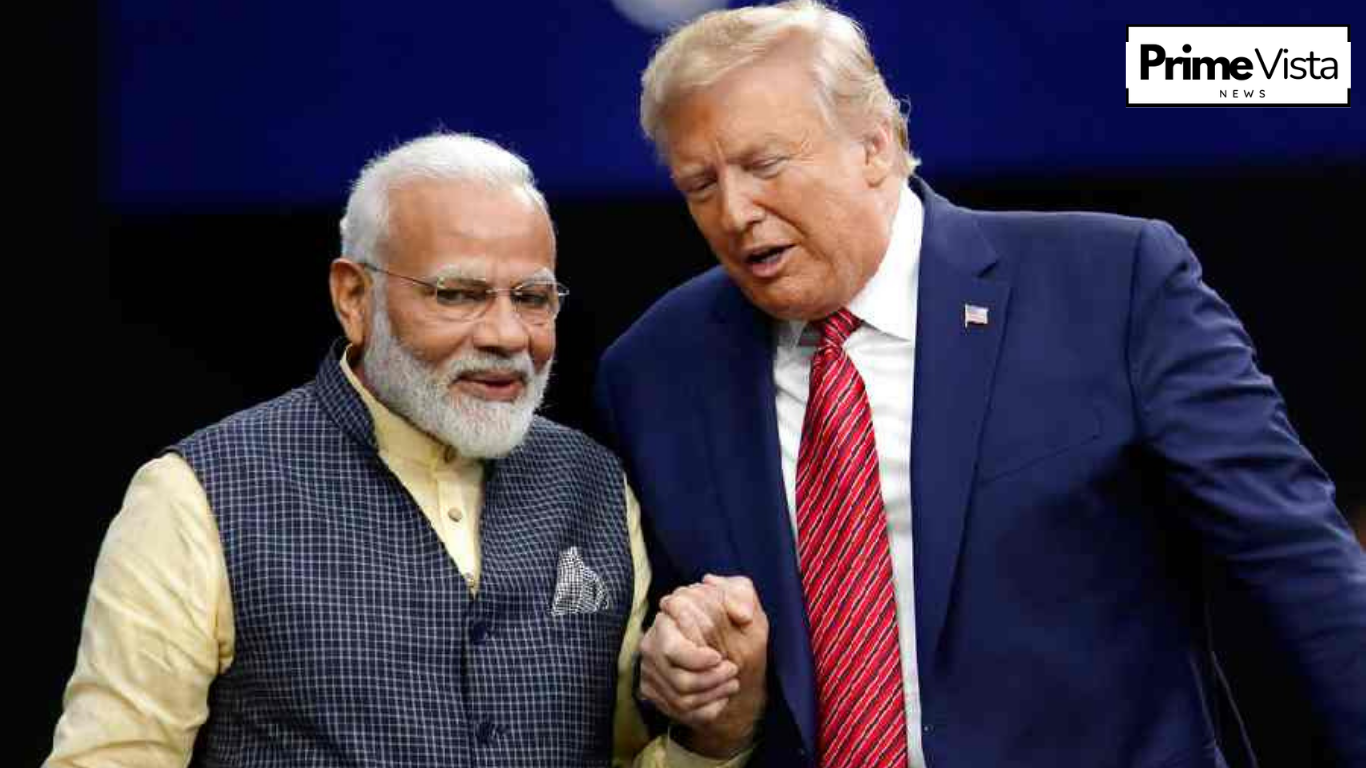
The clarification follows a recent call between President Trump and Indian Prime Minister Narendra Modi, during which both leaders agreed on a framework for an interim reciprocal trade agreement and reaffirmed their intention to pursue a broader Bilateral Trade Agreement (BTA).
In the coming weeks, the United States and India are expected to begin implementing the framework and work toward finalising the interim arrangement. The White House said the longer-term objective remains a comprehensive BTA that would address remaining tariff and non-tariff barriers, services and investment rules, intellectual property, labour and environmental standards, government procurement, and trade-distorting practices by state-owned enterprises.
Trade experts note that while the framework signals renewed momentum in US-India economic relations, its success will depend on detailed negotiations and implementation, particularly in politically sensitive sectors on both sides.