









Pakistan Raises Compensation Issue Following Bangladesh’s Exclusion From ICC Men’s T20 World Cup 2026 :
Prime Vista News
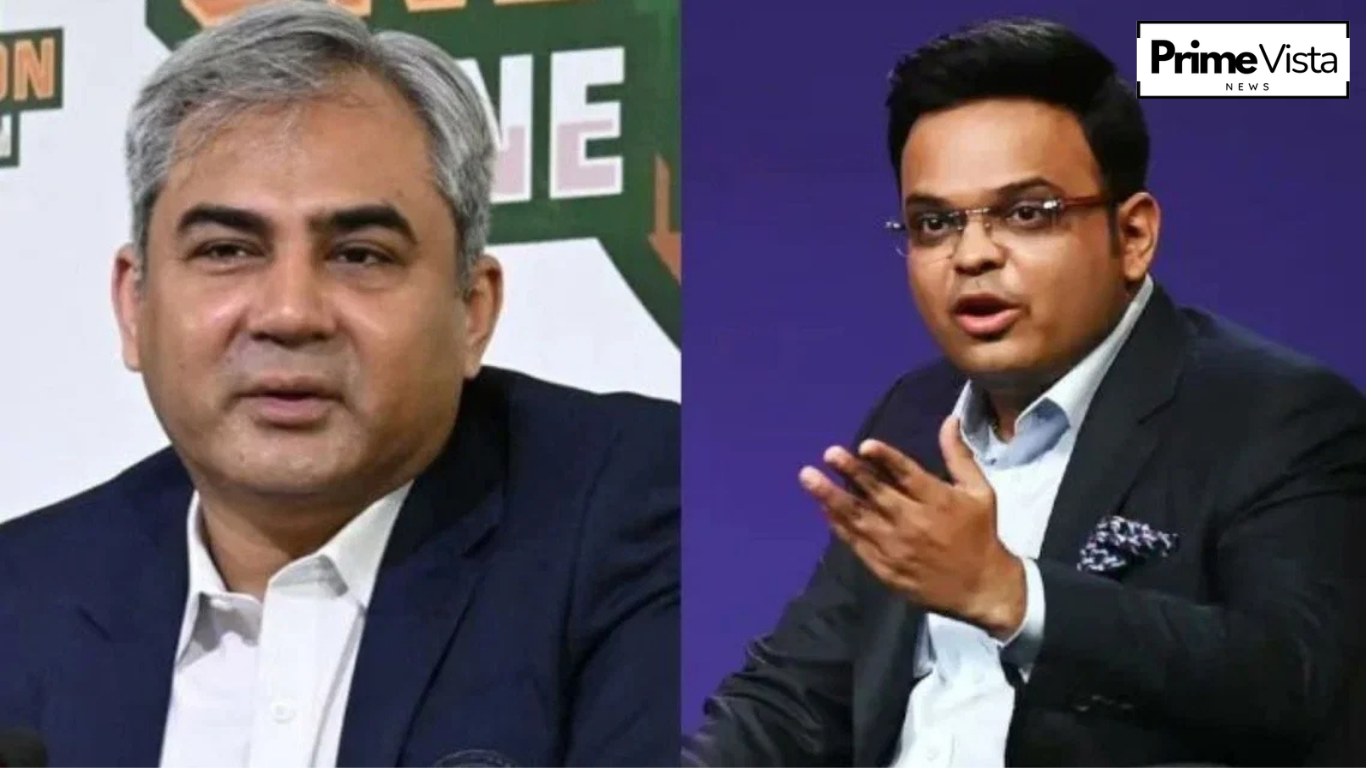
The International Cricket Council (ICC) recently held consultations with the Pakistan Cricket Board (PCB) and the Bangladesh Cricket Board (BCB) to address developments related to the ICC Men’s T20 World Cup 2026, including Pakistan’s decision not to participate in its scheduled match against India and the replacement of Bangladesh in the tournament lineup.
The discussions took place at Gaddafi Stadium in Lahore and lasted approximately four hours. Officials familiar with the meeting indicated that no joint statement was issued, as participating boards were expected to seek further guidance from their respective governments before making any public announcements.
ICC Clarifies Position on Compensation
During the meeting, the ICC clarified that it does not intend to provide financial compensation to Bangladesh following its exclusion from the tournament. However, the governing body assured that Bangladesh would continue to receive its full share of ICC revenue distributions, as stipulated under existing financial and membership agreements.
The ICC emphasized that revenue sharing arrangements are separate from tournament participation decisions and remain governed by long-term frameworks agreed upon by member boards.
Circumstances Surrounding Bangladesh’s Replacement
Bangladesh was replaced by Scotland in the T20 World Cup 2026 after the ICC was unable to accommodate Bangladesh’s request that all of its matches be scheduled outside India. The request was reviewed but ultimately could not be agreed upon due to operational and scheduling constraints.
The request was reportedly linked to broader concerns raised by the Bangladesh Cricket Board, including issues arising from the withdrawal of fast bowler Mustafizur Rahman from a franchise squad following directives issued by the Board of Control for Cricket in India (BCCI). The ICC concluded that altering the tournament structure to the extent requested was not feasible without affecting the competition’s integrity.
Pakistan’s Position on the India Match
The matter was further discussed in the context of Pakistan’s decision not to participate in its scheduled February 15 match against India in Colombo. The decision was communicated by Pakistani authorities and later reiterated at the government level, where it was described as being connected to wider regional and diplomatic considerations.
The PCB subsequently informed the ICC that the decision was taken in accordance with government instructions. The communication was sent less than ten days before the start of the tournament, prompting the ICC to review the situation under its contractual and governance frameworks.
Earlier Report : Punjab Law College Shooting – One student killed inside classroom.
ICC Advises Formal Resolution Process
ICC representatives advised the PCB to raise its concerns through established channels, including the ICC arbitration mechanism or during a formal ICC board meeting. Officials noted that such processes are designed to address disputes while maintaining the continuity of international competitions.
The ICC also conveyed that non-participation in a scheduled match has implications under the Members Participation Agreement (MPA), which outlines responsibilities related to sporting commitments, commercial arrangements, and governance standards.
Review of Force Majeure Provisions
A significant portion of the discussion focused on the application of “Force Majeure.” The ICC requested the PCB to outline the steps taken to mitigate the situation, as required under the MPA. The governing body maintains detailed criteria governing when Force Majeure may be invoked, including documentation standards and assessment of alternative measures.
Officials indicated that failure to meet these requirements could lead to further review under ICC regulations. At the same time, the ICC reiterated that its preference remains constructive engagement rather than disciplinary action.
Reference to Prior Dispute
PCB officials also referred to a previous dispute involving an unfulfilled bilateral series agreement between Pakistan and India. In that instance, the matter was reviewed by the ICC Dispute Resolution Committee, where government permission was identified as a contributing factor.
While the earlier claim for damages was not upheld, the PCB believes that the circumstances established a precedent recognizing the role of governmental directives in cricketing decisions. This context, PCB representatives argue, is relevant to the present situation.
Next Steps
The ICC continues to engage with member boards to ensure the smooth conduct of the T20 World Cup 2026. Any further action will depend on the outcome of consultations between the PCB, the Pakistan government, and the ICC’s internal review mechanisms.
The matter remains under consideration, with additional clarity expected once formal submissions are made through appropriate channels.
Lahore:
The International Cricket Council (ICC) recently held consultations with the Pakistan Cricket Board (PCB) and the Bangladesh Cricket Board (BCB) to address developments related to the ICC Men’s T20 World Cup 2026, including Pakistan’s decision not to participate in its scheduled match against India and the replacement of Bangladesh in the tournament lineup.
The discussions took place at Gaddafi Stadium in Lahore and lasted approximately four hours. Officials familiar with the meeting indicated that no joint statement was issued, as participating boards were expected to seek further guidance from their respective governments before making any public announcements.
ICC Clarifies Position on Compensation
During the meeting, the ICC clarified that it does not intend to provide financial compensation to Bangladesh following its exclusion from the tournament. However, the governing body assured that Bangladesh would continue to receive its full share of ICC revenue distributions, as stipulated under existing financial and membership agreements.
The ICC emphasized that revenue sharing arrangements are separate from tournament participation decisions and remain governed by long-term frameworks agreed upon by member boards.
Circumstances Surrounding Bangladesh’s Replacement
Bangladesh was replaced by Scotland in the T20 World Cup 2026 after the ICC was unable to accommodate Bangladesh’s request that all of its matches be scheduled outside India. The request was reviewed but ultimately could not be agreed upon due to operational and scheduling constraints.
The request was reportedly linked to broader concerns raised by the Bangladesh Cricket Board, including issues arising from the withdrawal of fast bowler Mustafizur Rahman from a franchise squad following directives issued by the Board of Control for Cricket in India (BCCI). The ICC concluded that altering the tournament structure to the extent requested was not feasible without affecting the competition’s integrity.
Pakistan’s Position on the India Match
The matter was further discussed in the context of Pakistan’s decision not to participate in its scheduled February 15 match against India in Colombo. The decision was communicated by Pakistani authorities and later reiterated at the government level, where it was described as being connected to wider regional and diplomatic considerations.
The PCB subsequently informed the ICC that the decision was taken in accordance with government instructions. The communication was sent less than ten days before the start of the tournament, prompting the ICC to review the situation under its contractual and governance frameworks.
ICC Advises Formal Resolution Process
ICC representatives advised the PCB to raise its concerns through established channels, including the ICC arbitration mechanism or during a formal ICC board meeting. Officials noted that such processes are designed to address disputes while maintaining the continuity of international competitions.
The ICC also conveyed that non-participation in a scheduled match has implications under the Members Participation Agreement (MPA), which outlines responsibilities related to sporting commitments, commercial arrangements, and governance standards.
Review of Force Majeure Provisions
A significant portion of the discussion focused on the application of “Force Majeure.” The ICC requested the PCB to outline the steps taken to mitigate the situation, as required under the MPA. The governing body maintains detailed criteria governing when Force Majeure may be invoked, including documentation standards and assessment of alternative measures.
Officials indicated that failure to meet these requirements could lead to further review under ICC regulations. At the same time, the ICC reiterated that its preference remains constructive engagement rather than disciplinary action.
Reference to Prior Dispute
PCB officials also referred to a previous dispute involving an unfulfilled bilateral series agreement between Pakistan and India. In that instance, the matter was reviewed by the ICC Dispute Resolution Committee, where government permission was identified as a contributing factor.
While the earlier claim for damages was not upheld, the PCB believes that the circumstances established a precedent recognizing the role of governmental directives in cricketing decisions. This context, PCB representatives argue, is relevant to the present situation.
Next Steps
The ICC continues to engage with member boards to ensure the smooth conduct of the T20 World Cup 2026. Any further action will depend on the outcome of consultations between the PCB, the Pakistan government, and the ICC’s internal review mechanisms.
The matter remains under consideration, with additional clarity expected once formal submissions are made through appropriate channels.