


Uber, Ola, Rapido Drivers Hold Nationwide Strike Over Panic Button Costs and Fare Issues :
Prime Vista News
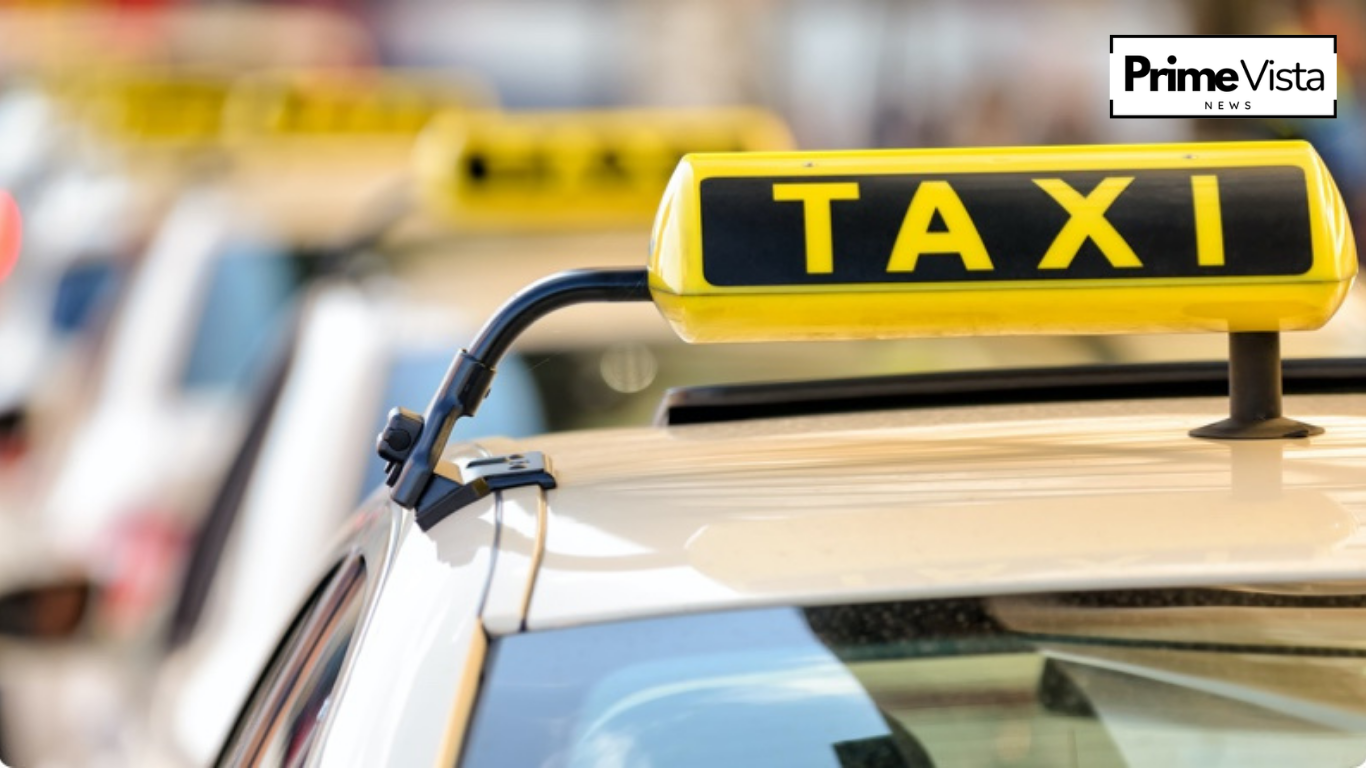
App-based taxi and autorickshaw services across several Indian cities were disrupted on Saturday, February 7, as drivers associated with platforms like Uber, Ola, and Rapido observed a nationwide one-day strike. The protest was called to raise concerns over mandatory panic button installation, rising operational costs, arbitrary fare policies, and the growing presence of illegal bike taxi services.
The strike was led by the Maharashtra Kamgar Sabha, a union representing app-based cab and autorickshaw drivers. According to the union, drivers across multiple states chose to stay off the roads to highlight what they described as long-standing issues that have significantly affected their income and job security.
Financial Burden Due to Panic Button Installation
One of the primary reasons behind the strike was the mandatory installation of panic buttons in app-based taxis and autorickshaws. While the measure was introduced to improve passenger safety, drivers say that inconsistent implementation has resulted in unnecessary financial strain.
The Central government has approved around 140 panic button device providers. However, several state governments have reportedly declared nearly 70 percent of these providers unauthorized. This mismatch between central and state approvals has forced many drivers to remove already-installed devices and purchase new ones approved by state authorities.
According to driver unions, replacing these panic buttons costs approximately ₹12,000 per vehicle. For drivers who already operate on thin margins, this sudden expense has added to their financial stress.
“Drivers complied with earlier rules in good faith,” the union stated. “Now they are being asked to pay again because of policy confusion between governments. This is unfair and unsustainable.”
Demand for Minimum Base Fare
Drivers are also protesting against what they describe as arbitrary and non-transparent fare policies set by ride-hailing companies. They argue that base fares have remained largely unchanged despite rising fuel prices, vehicle maintenance costs, and commission fees charged by aggregator platforms.
Union leaders say that algorithm-based pricing and frequent fare discounts offered to customers have made driver incomes unpredictable. Many drivers claim they struggle to earn enough to cover daily expenses, let alone save for emergencies.
As part of their demands, drivers are calling for a regulated minimum base fare to ensure stable and fair earnings across cities.
Oversupply of Auto Rickshaws Affects Income
Another major concern raised during the strike is the increase in the number of auto rickshaws under the open permit policy. While the policy was introduced to improve transport accessibility, drivers say it has led to oversupply and intense competition.
“With more vehicles on the road and limited passenger demand, earnings per driver have dropped sharply,” the union said. “Many drivers now work longer hours just to earn the same amount they made earlier.”
The image had earlier sparked confusion online the story that started the AI vs Art debate can be found here.
Illegal Bike Taxi Services Under Fire
The strike also focused on the alleged rise of illegal bike taxi services operating through app-based platforms. Driver unions claim that many bike taxis operate without proper permits or regulatory approval, yet continue to function openly.
According to the union, accidents involving such illegal bike taxis often leave passengers without insurance coverage, as these services do not meet legal requirements. Drivers argue that this puts both passengers and legitimate drivers at risk.
The Maharashtra Kamgar Sabha has demanded strict enforcement against unauthorized bike taxi services and clear regulatory guidelines to ensure fair competition.
Impact on Commuters and Future Action
The strike led to reduced availability of app-based taxis and autorickshaws in several cities, causing inconvenience to commuters. While not all drivers participated, union leaders described the response as “significant.”
Driver representatives warned that if their concerns are not addressed, further protests could follow. They are seeking immediate clarity on panic button regulations, fare protection measures, action against illegal services, and mechanisms for grievance redressal.
As app-based transport continues to be a crucial part of urban mobility in India, the resolution of these issues will play an important role in shaping the future of the sector for drivers and passengers alike.