












Why Japan Suddenly Cancelled Its Famous Cherry Blossom Festival: The Shocking Reason Behind the Decision !
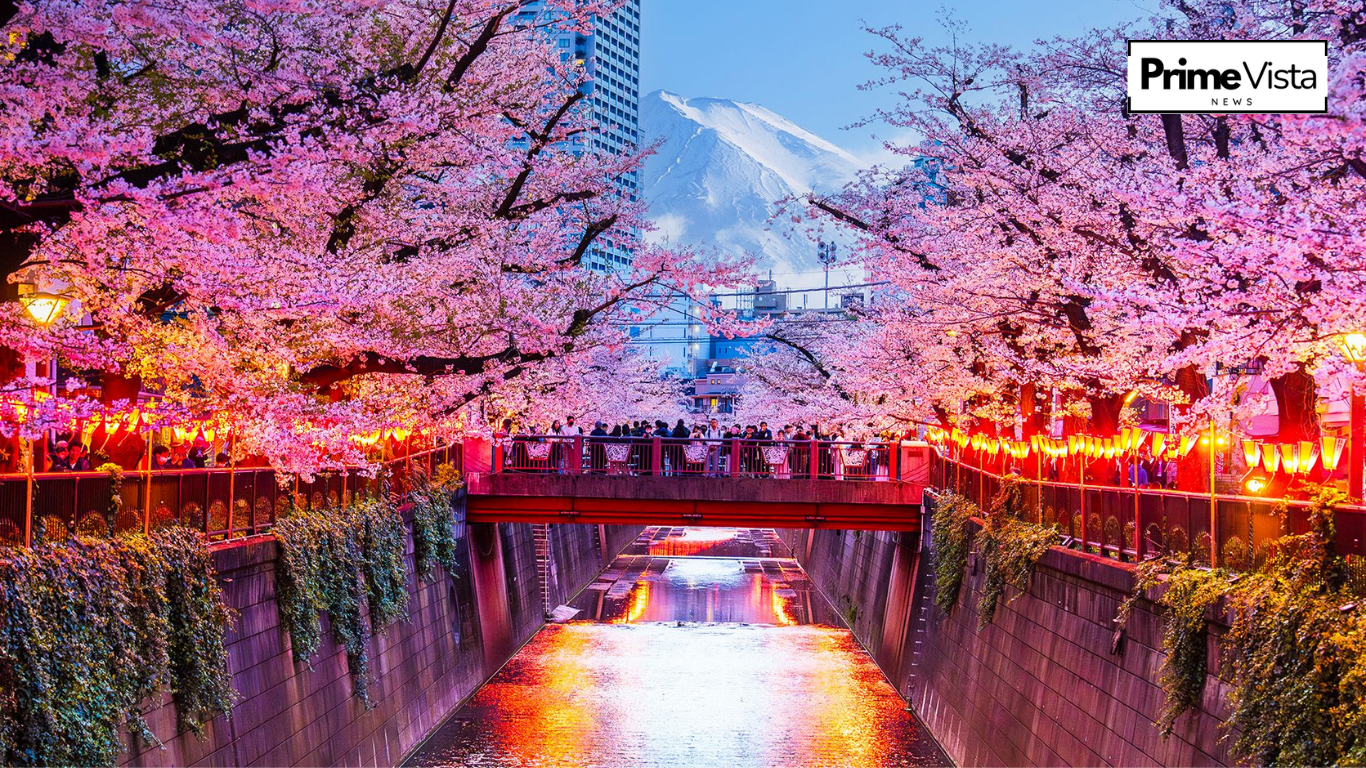
Japan’s iconic cherry blossom season, celebrated worldwide for its beauty and cultural significance, has long attracted millions of tourists every spring. However, in an unexpected move, Japanese authorities have cancelled a popular cherry blossom festival in the city of Fujiyoshida, located at the foothills of Mount Fuji. The decision has sparked global attention, and the reason behind it has left many people stunned.
A Festival Turned Into a Crisis
Fujiyoshida is a picturesque city known for its breathtaking views of Mount Fuji framed by cherry blossoms. Every year during spring, the city welcomes thousands of visitors who come to witness the famous sakura bloom, particularly at Arakurayama Sengen Park, a location that offers a postcard-perfect view of a pagoda with Mount Fuji in the background.
What began as a tourism-boosting initiative in 2016 gradually transformed into a serious civic problem. The local administration was forced to cancel the festival this year after uncontrolled tourist behavior began severely affecting residents’ daily lives.
Tourists Crossing All Limits
Authorities reported that the number of visitors had grown far beyond what the city’s infrastructure could handle. During peak season, nearly 10,000 tourists per day were arriving in Fujiyoshida. The surge led to massive traffic congestion, piles of garbage, and disruption of essential services.
More alarming, however, was the behaviour of some tourists. Residents complained that visitors were entering private properties without permission, stepping into personal gardens, and even opening doors of local homes to use bathrooms. In some extreme cases, tourists were reportedly found relieving themselves on residential land.
For a country that values discipline, privacy, and respect, these incidents were seen as deeply disturbing.
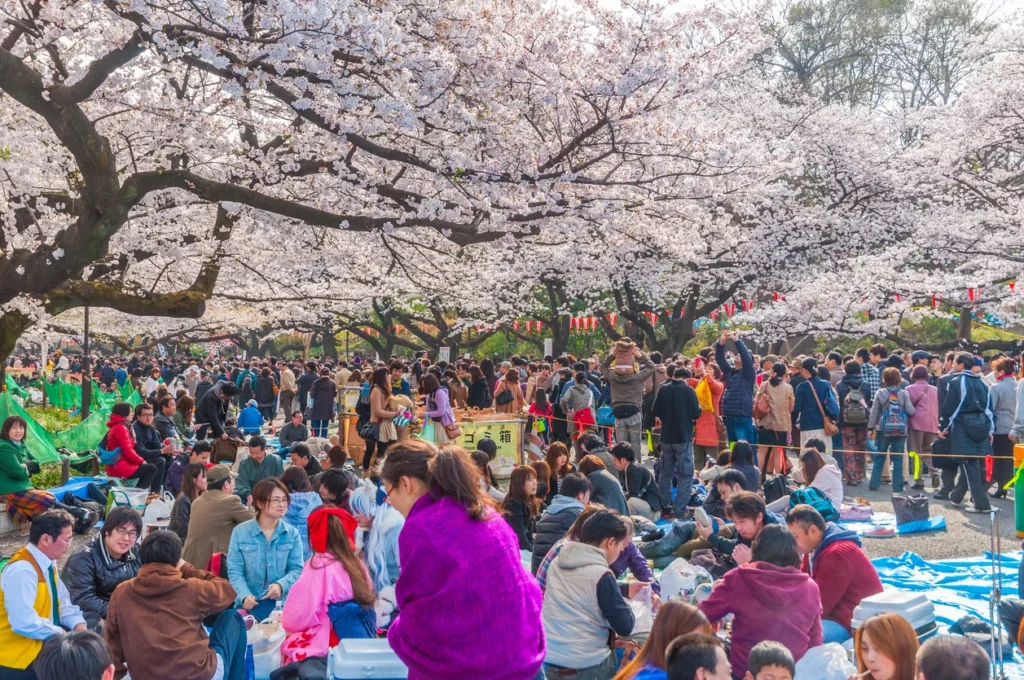
Residents Raise Serious Concerns
Local citizens expressed growing frustration, stating that the festival had become a source of anxiety rather than celebration. Parents worried about the safety of their children, elderly residents complained of constant noise, and homeowners felt their privacy was completely violated.
The situation reached a breaking point when repeated warnings failed to improve tourist conduct.
Mayor Calls It a “Growing Crisis”
Fujiyoshida’s Mayor, Shigeru Horiuchi, confirmed that the decision to cancel the cherry blossom festival was taken to protect residents’ well-being and dignity. He described the situation as a “growing crisis” that threatened community harmony and public safety.
According to city officials, continuing the festival under such conditions would have sent the wrong message that tourism mattered more than the rights of local citizens.
Social Media and Weak Yen Fuel the Crowd
Experts believe two major factors contributed to the explosion in tourist numbers:
- Social media virality – Instagram and TikTok flooded with cherry blossom photos from Arakurayama Sengen Park turned the location into a global hotspot.
- Weak Japanese currency – The declining value of the yen made Japan more affordable, encouraging a record number of international visitors.
While tourism brought economic benefits, the lack of regulation allowed the situation to spiral out of control.
In a historic milestone, Nirmala Sitharaman presented her ninth consecutive Union Budget, becoming India’s longest-serving finance minister.
Japan’s Broader Fight Against Overtourism
The cancellation of the cherry blossom festival is part of Japan’s wider effort to combat overtourism, a growing issue across popular destinations worldwide.
Last year, a nearby town took the drastic step of installing a large black screen to block views of Mount Fuji from a popular photo location, simply to reduce crowds. Authorities are also considering stricter rules, visitor limits, and better crowd management strategies.
Despite the festival cancellation, officials expect tourists to continue visiting Fujiyoshida in April and May and are preparing enforcement measures to prevent further disruption.
A Global Wake-Up Call
Japan is not alone in addressing overtourism. Cities like Rome and Venice have introduced entry fees to manage crowd pressure. Rome has imposed a €2 fee to access areas near the Trevi Fountain, while Venice now charges day-time visitors between €5 and €10.
These steps reflect a global shift toward sustainable tourism, prioritizing residents’ quality of life over unchecked visitor numbers.
The Message Is Clear
Japan’s decision sends a strong message to the world:
Tourism must never come at the cost of local communities’ dignity, safety, and privacy.
The cancellation of Fujiyoshida’s cherry blossom festival may disappoint tourists, but it highlights an urgent reality respectful travel is no longer optional, it is essential.