











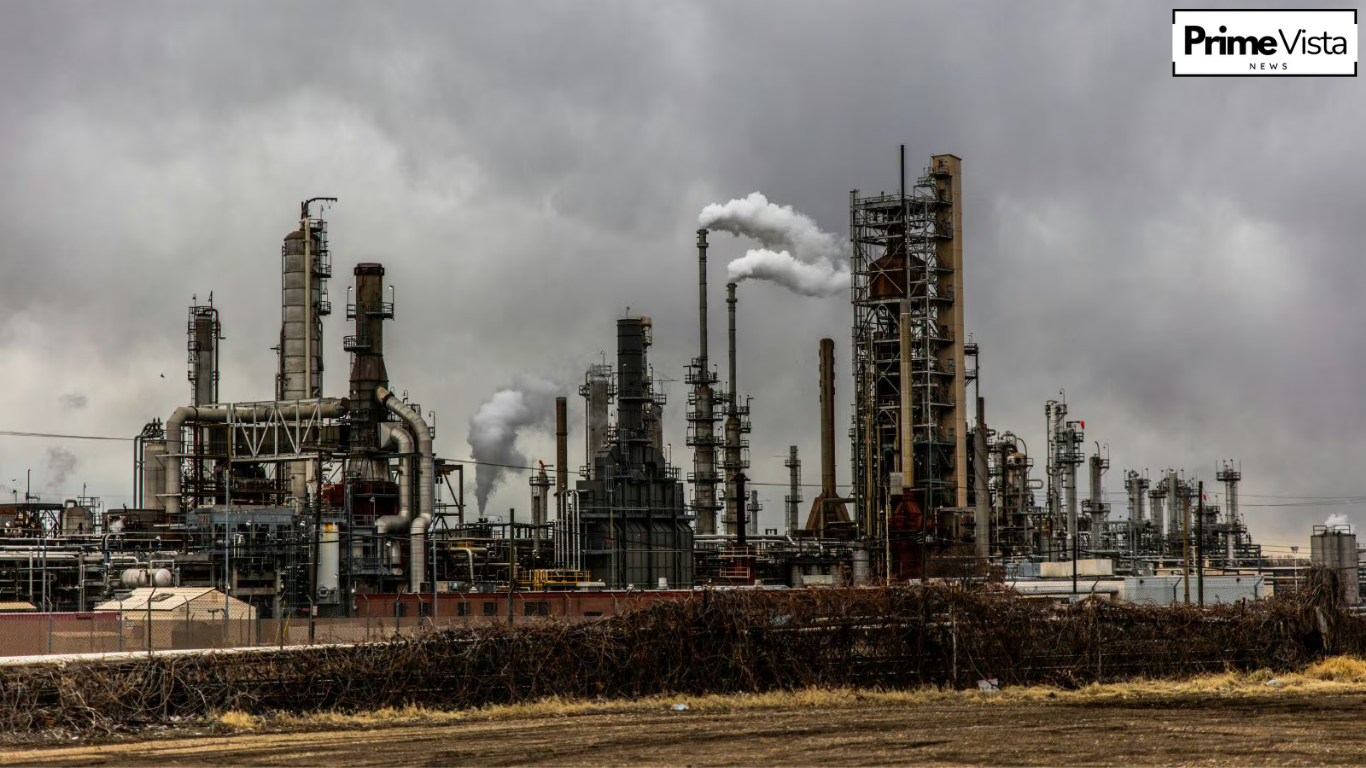
War Shock: Premium Petrol Up ₹2, Industrial Diesel Surges ₹22 as West Asia Conflict Impacts India !
Prime Vista News
India raises premium petrol prices by ₹2 per litre and industrial diesel by ₹22 amid Middle East tensions, while LPG supply concerns grow and evacuation efforts continue.
New Delhi:
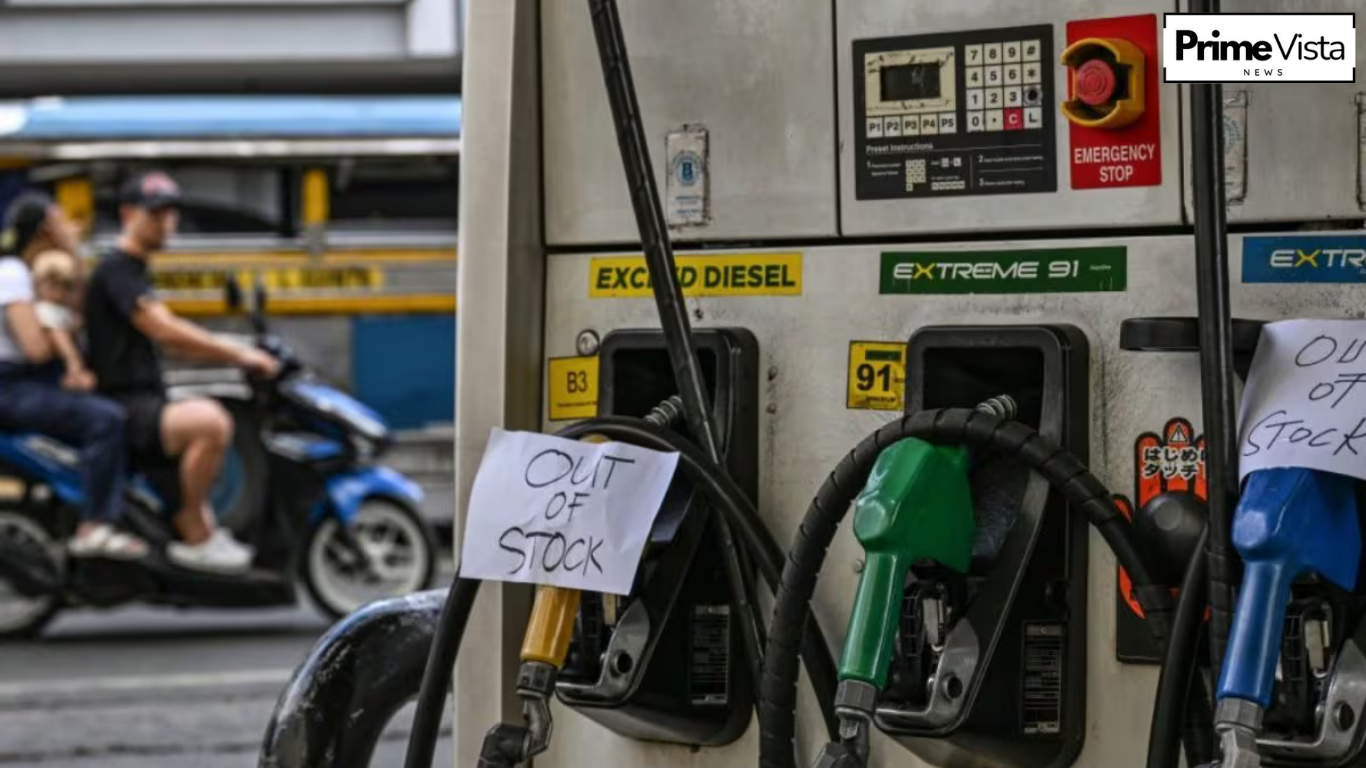
India’s fuel pricing landscape has begun reflecting the ripple effects of the escalating conflict in West Asia, with oil marketing companies (OMCs) raising prices of premium petrol and industrial diesel even as the government moved to shield ordinary consumers from immediate impact.
The price of higher-grade petrol has been increased by ₹2 per litre, while bulk diesel supplied to industrial users has seen a steep hike of around ₹22 per litre. The adjustments come amid volatile global crude markets and growing uncertainty over energy supplies due to disruptions linked to the Strait of Hormuz.
Limited Impact on Retail Consumers
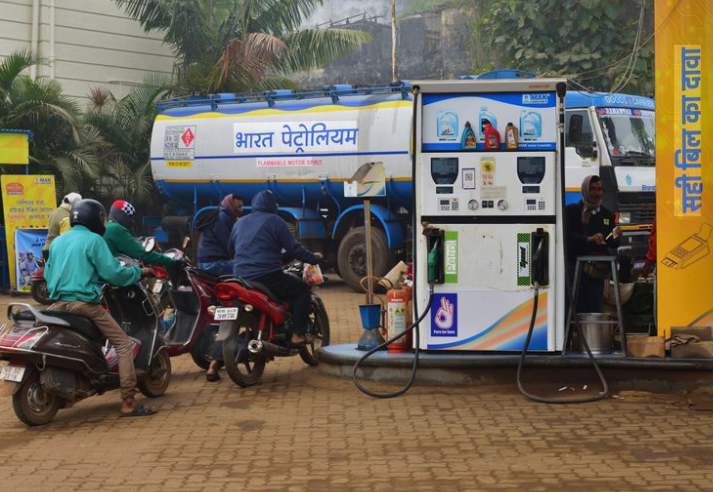
Officials clarified that the price hike applies only to premium petrol variants and bulk diesel, with no change in regular petrol and diesel prices used by the general public.
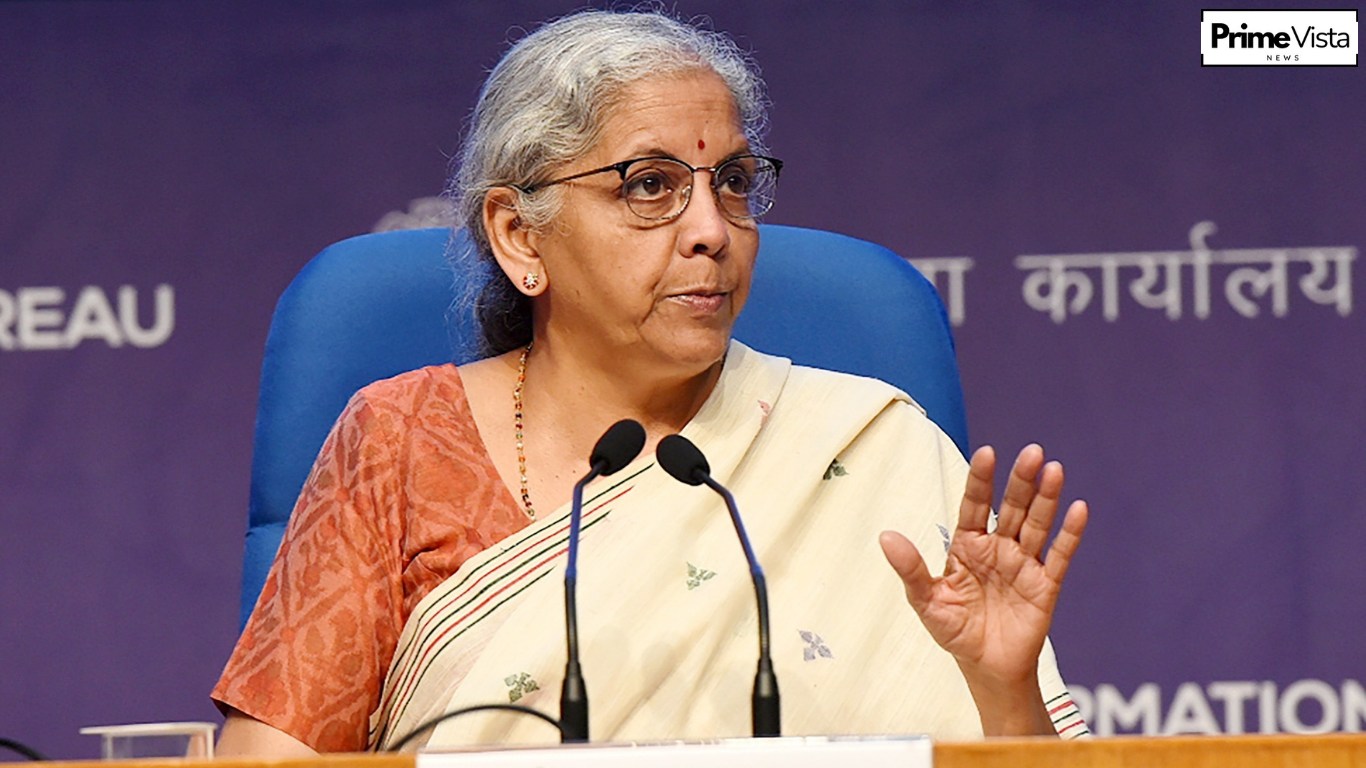
At an official briefing, Petroleum Ministry Joint Secretary Sujata Sharma said:
“The price of the premium category of petrol has been increased. Normal petrol prices remain unchanged.”
Industry data indicates that premium 95-octane petrol prices in Delhi have risen from ₹99.89 per litre to ₹101.89 per litre. Meanwhile, bulk diesel rates for industrial users have climbed sharply to around ₹109.59 per litre.
Retail fuel prices remain steady at:
- Petrol: ₹94.77 per litre
- Diesel: ₹87.67 per litre
Officials stressed that premium petrol constitutes only about 2–4 per cent of total fuel consumption, limiting the broader consumer impact.
Why Prices Are Rising ?
The price revision comes against the backdrop of a sharp surge in global oil prices driven by geopolitical tensions.
Benchmark Brent crude prices, which were hovering around $70 per barrel before the conflict, recently spiked to nearly $119 before easing slightly to around $108.
India’s heavy dependence on energy imports makes it particularly vulnerable. The country imports nearly:
- 88% of its crude oil requirements
- Around 50% of its natural gas
A significant portion of these imports passes through the Strait of Hormuz, making any disruption in the region a direct threat to India’s energy security.
OMCs Absorb Retail Price Pressure
Despite rising input costs, the government has indicated that oil marketing companies are currently absorbing the burden to prevent a spike in retail fuel prices.
Officials said there is no immediate plan to increase petrol and diesel prices for the general public, signalling an effort to control inflation and protect household budgets.
However, analysts warn that prolonged volatility in global markets could eventually force a revision in retail prices if crude rates remain elevated.
LPG Supply Raises Concerns
While petrol and diesel supplies remain stable, officials acknowledged that the situation regarding Liquefied Petroleum Gas (LPG) is becoming increasingly concerning.
Authorities described the LPG scenario as “worrisome,” though they emphasised that there are no immediate shortages at the distribution level.
Key developments include:
- Domestic LPG production has been increased by over 40% compared to pre-crisis levels
- Panic booking of LPG cylinders has significantly declined
Booking numbers have fallen from a peak of 89 lakh on March 13 to around 55 lakh, indicating a gradual return to normal consumption patterns.
Despite this, authorities remain cautious, given the potential for supply disruptions if geopolitical tensions escalate further.
Indian Casualties Rise Amid Conflict
The ongoing crisis in West Asia has also had a human cost, with another Indian national reported killed in Riyadh.
The latest fatality brings the total number of Indian deaths in the region to six, while one individual remains missing.
Government officials said Indian diplomatic missions are actively coordinating with local authorities to:
- Repatriate mortal remains
- Trace missing persons
- Provide assistance to affected families
Evacuation Efforts Continue
India has stepped up evacuation operations to ensure the safety of its citizens stranded in conflict-hit areas.
According to official figures:
- 913 Indian nationals have been evacuated from Iran via neighbouring countries
- All 284 Indian pilgrims stranded in Iran have safely returned
Evacuation routes have primarily been facilitated through:
- Armenia
- Azerbaijan
Since the escalation began on February 28, approximately 3 lakh passengers have returned to India from the region, supported by special flight operations despite airspace restrictions across several Gulf nations.
Earlier Report – US Temporarily Eases Sanctions on Iranian Oil to Cool Soaring Global Prices :
Maritime Situation Under Watch
On the maritime front, authorities reported that 22 Indian-flagged vessels remain in the western Persian Gulf region, carrying a total of 611 Indian seafarers.
Officials confirmed that:
- No incidents have been reported in the past 24 hours
- Over 513 Indian seafarers have already been repatriated
The government continues to monitor maritime routes closely, given the strategic importance of shipping lanes for both trade and energy supplies.
Diplomatic Engagement Intensifies
India’s diplomatic outreach has also intensified in response to the evolving crisis.
External Affairs Minister S. Jaishankar recently held discussions with Penny Wong.
In a statement, Jaishankar said:
“Shared our assessments of the ongoing West Asia conflict. Also discussed Indo-Pacific issues.”
The talks reflect India’s broader effort to coordinate with international partners and assess the implications of the conflict on regional and global stability.
Balancing Stability and Market Pressures
The government’s approach raising prices for select fuel categories while holding retail rates steady highlights a careful balancing act.
Key priorities include:
- Containing inflationary pressure on consumers
- Ensuring adequate fuel supply
- Managing fiscal and economic stability
Energy experts say such targeted adjustments allow authorities to respond to market realities without triggering widespread economic disruption.
Going Forward….
The latest fuel price adjustments mark the first visible impact of the West Asia conflict on India’s domestic energy landscape.
While the government has moved to cushion the common consumer from immediate price shocks, the broader situation remains fluid.
With global crude markets highly sensitive to geopolitical developments and supply chains under strain, India faces a challenging period ahead in managing energy security, economic stability, and citizen safety.