













US Temporarily Eases Sanctions on Iranian Oil to Cool Soaring Global Prices :
Prime Vista News
The US has temporarily lifted sanctions on Iranian oil stranded at sea, unlocking 140 million barrels for global markets in a bid to stabilize rising crude prices amid ongoing geopolitical tensions.
Washington / Global Markets : In a significant move aimed at stabilizing global energy markets, the United States has announced a temporary easing of sanctions on Iranian oil currently stranded at sea. The decision is intended to inject additional supply into global markets at a time when crude prices have surged sharply due to escalating geopolitical tensions.
The announcement was made by Scott Bessent, who confirmed that the short-term measure would make approximately 140 million barrels of Iranian oil available to international buyers.
A Limited and Strategic Relaxation
According to US officials, the relaxation of sanctions is strictly limited in scope and duration. It applies only to oil that has already been loaded onto vessels and is currently in transit or stranded at sea.
“This temporary, short-term authorisation is narrowly tailored and does not allow new purchases or production,” Bessent said in a detailed statement.
The measure is set to take effect immediately and will remain in place until April 19, after which existing sanctions are expected to resume in full.
Officials emphasised that the move should not be interpreted as a shift in broader US policy toward Iran. Instead, it is being positioned as a tactical intervention to address immediate market pressures without altering long-term strategic objectives.
Oil Prices Surge Amid Conflict
The decision comes against the backdrop of extreme volatility in global oil markets. Benchmark Brent crude prices have experienced dramatic fluctuations since the outbreak of the ongoing conflict in the Middle East.
Prices that hovered around $70 per barrel prior to the escalation have climbed as high as $119.50 in recent days, reflecting growing concerns over supply disruptions.
In the United States, rising crude prices have translated into higher fuel costs for consumers. Petrol prices have increased significantly, climbing from around $3 per gallon before the conflict to nearly $3.99.
Analysts say such price spikes not only impact household budgets but also have broader implications for global inflation and economic stability.
Unlocking Oil Already at Sea
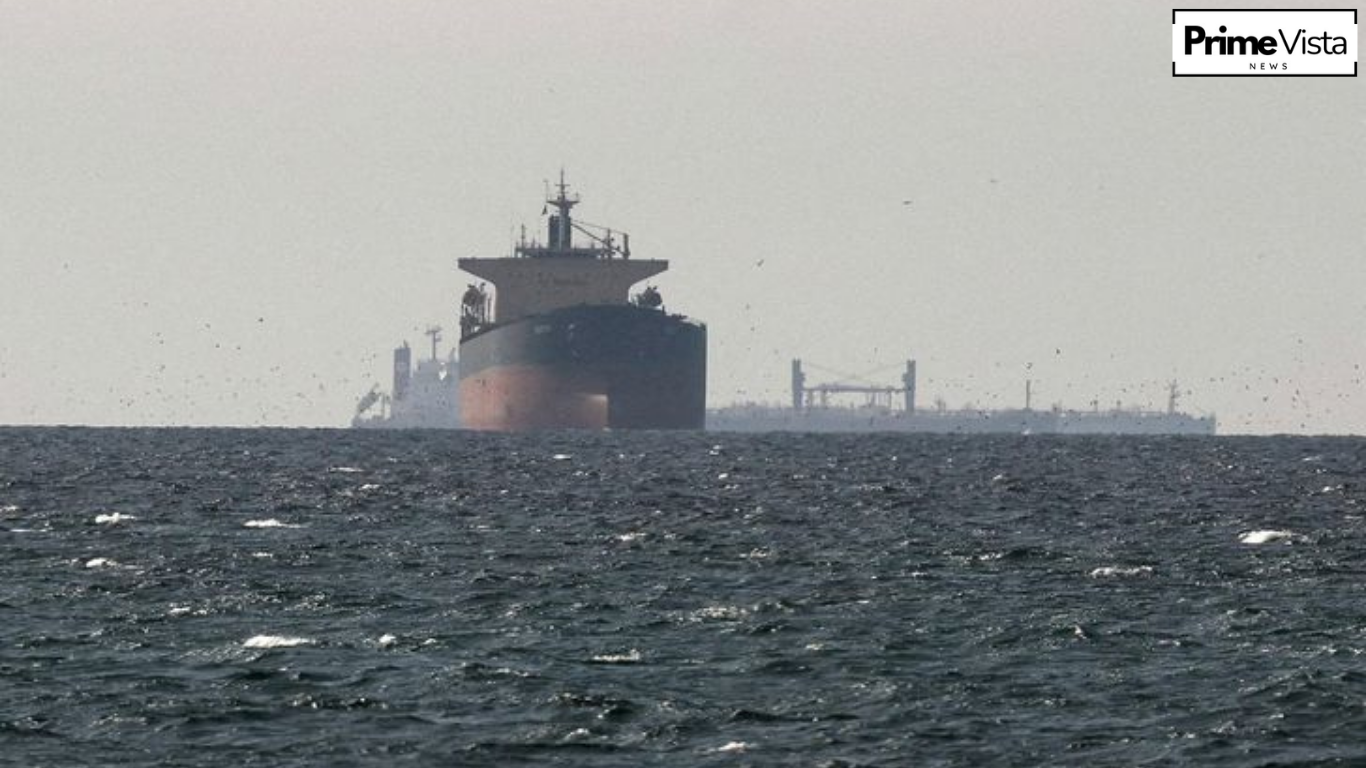
US authorities estimate that around 140 million barrels of Iranian oil are currently stranded or in transit due to sanctions restrictions. By temporarily allowing these barrels to be sold, Washington aims to quickly boost global supply without encouraging new production.
Officials argue that this approach provides a rapid and controlled way to influence market dynamics.
By increasing the volume of oil available to buyers, the US hopes to:
- Ease supply shortages in global markets
- Stabilise volatile crude prices
- Reduce inflationary pressure linked to energy costs
Bessent also claimed that a significant portion of sanctioned Iranian oil has been stockpiled at discounted rates by China. The new measure, he said, would redirect some of this supply into the broader global market.
Maintaining Pressure on Iran
Despite the temporary easing, US officials were quick to underline that broader economic pressure on Iran remains firmly in place.
The authorisation does not permit:
- New oil production
- Fresh export deals
- Long-term easing of sanctions
Moreover, Washington has indicated that Iran will face challenges in accessing revenue generated from these oil sales, as financial restrictions remain intact.
The move is part of a broader strategy to manage market conditions while continuing to limit Iran’s economic leverage.
In his remarks, Bessent described the policy as a way to “use Iranian barrels against Tehran,” suggesting that the US is attempting to counter Iran’s influence in global energy markets without directly strengthening its economy.
Earlier Report – ‘Moga! Moga!’ Zimbabwe Student’s Punjabi Bus Vlog Goes Viral With 1.9 Million Views !
Strategic Context-Strait of Hormuz and Supply Risks
The decision is also closely linked to concerns surrounding the Strait of Hormuz, a critical maritime corridor through which a significant portion of the world’s oil supply passes.
The ongoing conflict has raised fears that disruptions in the strait could severely impact global energy flows.
By releasing additional oil into the market, the United States aims to reduce the risk of supply shocks that could arise from any potential escalation in the region.
Officials say the measure is part of a wider effort to ensure that global markets remain adequately supplied despite geopolitical uncertainties.
Broader Energy Strategy
US authorities have indicated that this move is just one component of a larger plan to stabilise global oil markets.
According to officials, the current administration has already worked toward bringing approximately 440 million additional barrels of oil into global circulation through various measures.
These efforts are aimed at:
- Undermining Iran’s ability to influence oil prices
- Preventing supply manipulation
- Supporting global economic stability
Energy experts note that such interventions reflect a growing willingness among major powers to actively manage energy markets during times of crisis.
Trump Signals Possible Shift in Military Approach
The development comes as Donald Trump signalled a potential shift in the United States’ military posture in the region.
In a statement, Trump suggested that Washington could be “winding down” its military operations against Iran, indicating that key objectives may have been achieved.
“We are getting very close to meeting our objectives,” Trump said, while also clarifying that he is not currently considering a ceasefire.
“You don’t do a ceasefire when you’re literally obliterating the other side,” he added, underscoring a hardline stance even as discussions around de-escalation continue.
Global Implications
The temporary lifting of sanctions is likely to have immediate and far-reaching effects on global energy markets.
Potential impacts include:
- Short-term relief in oil prices
- Increased supply availability for importing nations
- Reduced volatility in energy markets
However, analysts caution that the effect may be temporary, given the limited duration of the policy and the broader uncertainties surrounding the conflict.
There are also questions about how markets will react once sanctions are reinstated after April 19.
As of Now…
The United States’ decision to temporarily ease sanctions on Iranian oil reflects a calculated effort to address immediate economic pressures without compromising long-term strategic goals.
By unlocking oil already at sea, Washington is attempting to stabilize global markets, contain price surges, and manage geopolitical risks all while maintaining pressure on Tehran.
As the conflict in the Middle East continues to evolve, the balance between economic intervention and geopolitical strategy is likely to remain a defining feature of global energy policy in the weeks ahead.
Related Posts