










Iran War-Led Fuel Crisis Reaches Mumbai: BMC Headquarters Canteen Switches To Electric Stoves
Prime Vista News
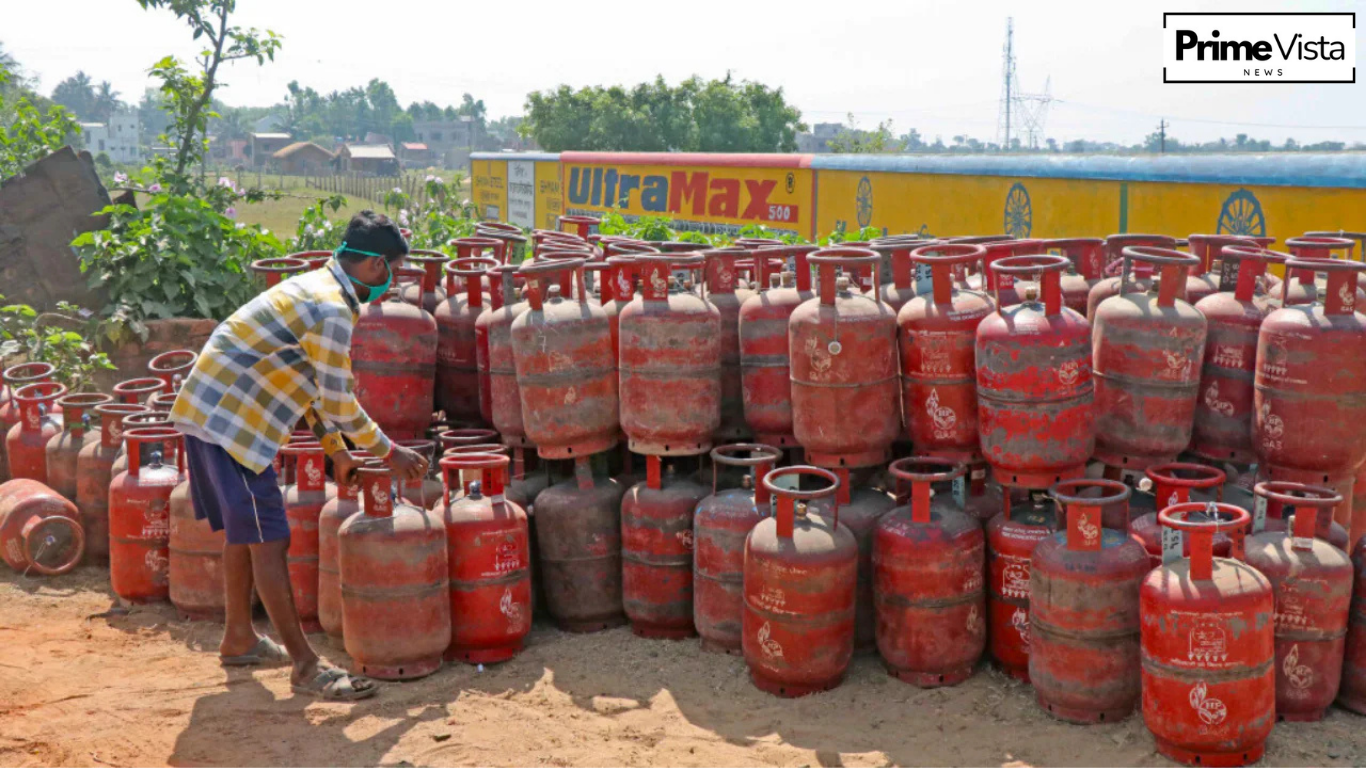
Fuel shortages linked to the Iran war have disrupted LPG supply in Mumbai, forcing the BMC headquarters canteen to switch to electric cooking. Restaurants and airlines are also feeling the impact.
Mumbai:
The ripple effects of the ongoing Middle East conflict have begun to reach India’s financial capital, with cooking gas shortages forcing the iconic canteen at the headquarters of the Brihanmumbai Municipal Corporation (BMC) to switch from LPG-based cooking to electric stoves.
Officials managing the canteen inside the historic civic building said the move became necessary after disruptions in the LPG supply chain linked to the escalating crisis involving Iran, the United States and Israel. The situation has highlighted how global geopolitical tensions can quickly affect local services and daily operations even in one of India’s most well-funded municipal institutions.
Often described as Asia’s richest municipal corporation, the BMC operates several facilities that cater to thousands of employees, visitors and government officials every day. However, the ongoing fuel supply crunch has forced the organisation to make temporary adjustments to keep services running.
BMC Canteen Running Out Of LPG Stock
According to the canteen management, the cooking gas reserves at the BMC headquarters had already dropped to critical levels earlier this week.
Danny Biswas said the remaining stock of commercial LPG was expected to last only a short period before the facility had to shift entirely to electric cooking appliances.
“The LPG stock is extremely limited and may last only until today or tomorrow. Because of the disruption in supply, we are preparing to switch to electric stoves to continue serving meals,” Biswas said.
The canteen serves a large number of visitors daily, including civic employees, government staff and members of the public who visit the BMC headquarters for administrative work.
Due to the shortage, the kitchen was forced to reduce cooking operations earlier this week.
Dry Meals Served As Gas Supplies Run Low
With gas supplies running low, the BMC canteen had already begun limiting its menu.
Officials confirmed that during the second half of the day on Wednesday, the kitchen served only dry meals that required minimal or no cooking. These included snacks and ready-to-eat food items.
The decision was taken to conserve the remaining LPG stock and ensure that the canteen could continue operating until alternative cooking arrangements were set up.
The shift to electric cooking equipment is expected to allow the canteen to maintain services for staff and visitors without relying on commercial LPG supplies.
Nearby Government Canteens Shut Due To Gas Shortage
The gas shortage has not been limited to the BMC headquarters alone.
According to the canteen management, several canteens operating in nearby government offices have already been forced to shut down due to lack of LPG supply.
Biswas said the closures have increased the number of people visiting the BMC canteen, putting additional pressure on the already strained kitchen operations.
“The canteens in nearby government offices are not functioning because of the gas shortage. As a result, more people are coming to the BMC canteen for meals,” he said.
The facility typically serves breakfast, lunch and evening snacks throughout the day.
Gas Supply Crisis Spreading Across Mumbai
The cooking gas shortage appears to be affecting multiple sectors in Mumbai, from government offices to restaurants and hospitality businesses.
Industry representatives say the disruption has been triggered by global energy supply pressures following the escalation of the Iran war, which has affected shipping routes and fuel availability across the region.
Several commercial establishments have begun exploring alternatives such as electric cooking systems or reduced operating hours to cope with the shortage.
Restaurants Seek Urgent Government Support
The city’s hospitality sector has also started feeling the impact.
The Indian Hotel and Restaurant Association (AHAR) has reportedly urged both the central and state governments to intervene and ensure adequate LPG supply for restaurants and hotels.
Industry officials warn that the shortage could significantly affect the food service sector if the situation continues.
According to reports from restaurant operators:
- Nearly 20% of hotels in Mumbai were forced to shut down temporarily this week.
- Several other establishments are considering closing operations if gas supplies do not improve.
- Many restaurants are exploring alternatives such as electric cooking appliances.
Restaurant owners say the hospitality sector, which relies heavily on LPG for commercial kitchens, is particularly vulnerable to supply disruptions.
Railways Also Switching To Electric Cooking
The crisis has also affected railway catering services.
The Indian Railway Catering and Tourism Corporation (IRCTC) has reportedly instructed catering units in its western zone to adopt electric-based cooking equipment wherever possible.
These include:
- Microwave ovens
- Induction stoves
- Electric cooking appliances
The shift is aimed at ensuring that food services for train passengers remain uninterrupted despite the shortage of commercial LPG cylinders.
Aviation Sector Feels Impact As Fuel Prices Rise
The broader fuel crisis has also begun affecting the aviation industry.
Rising prices of aviation turbine fuel have led to a noticeable increase in airfares on several domestic and international routes.
Travellers have reported sudden spikes in ticket prices in recent days.
Air India has already announced a phased increase in fuel surcharge to offset the rising cost of aviation fuel.
Airlines say the surge in fuel prices is directly linked to instability in global energy markets following the escalating Middle East conflict.
Earlier Report – Hardik Pandya Faces Complaint Over Alleged Disrespect To Indian Flag During T20 World Cup Celebrations
Global Energy Shock Reaching Local Services
Energy experts say the situation in Mumbai reflects the broader impact of global geopolitical crises on local economies.
The Middle East remains one of the world’s most important energy-producing regions, and disruptions there can affect supply chains worldwide.
India imports a significant portion of its energy needs, including crude oil and liquefied petroleum gas. When international supply routes face disruptions or prices surge, the effects are often felt across sectors such as transportation, hospitality and public services.
The ongoing tensions near the Strait of Hormuz a crucial passage for global energy shipments have intensified concerns about fuel availability.
Even temporary disruptions in shipping routes can lead to shortages and price fluctuations across global markets.
Authorities Monitoring Situation
Officials say the situation is being closely monitored as authorities work to stabilise fuel supply chains.
Government agencies are expected to coordinate with energy companies and distributors to ensure that essential services continue to operate without interruption.
For now, institutions like the BMC are adapting to the crisis by adopting alternative cooking technologies to keep daily operations running smoothly.
As the global situation evolves, businesses and public institutions across India may increasingly turn to electric solutions and energy diversification to cope with fuel supply disruptions.
Prime Vista News will continue tracking how the global fuel crisis is affecting cities and industries across India.