











Petrol, Diesel Prices To Remain Stable Despite Iran War Risks, Government Sources Say !
Prime Vista News
The Indian government says petrol and diesel prices will remain stable despite tensions in the Strait of Hormuz amid the Iran-US conflict. India is diversifying oil imports to reduce dependence on Middle East supplies.
New Delhi:
India is not expected to witness any immediate increase in petrol and diesel prices despite rising geopolitical tensions in the Middle East triggered by the ongoing conflict involving Iran, the United States and Israel. Government officials familiar with the situation have indicated that fuel supplies remain stable and that contingency measures have been activated to safeguard domestic availability.
According to officials who spoke to Prime Vista News, the government has already initiated a comprehensive fuel supply management programme designed to ensure uninterrupted distribution of petroleum products across the country even if global energy supply routes face disruptions.
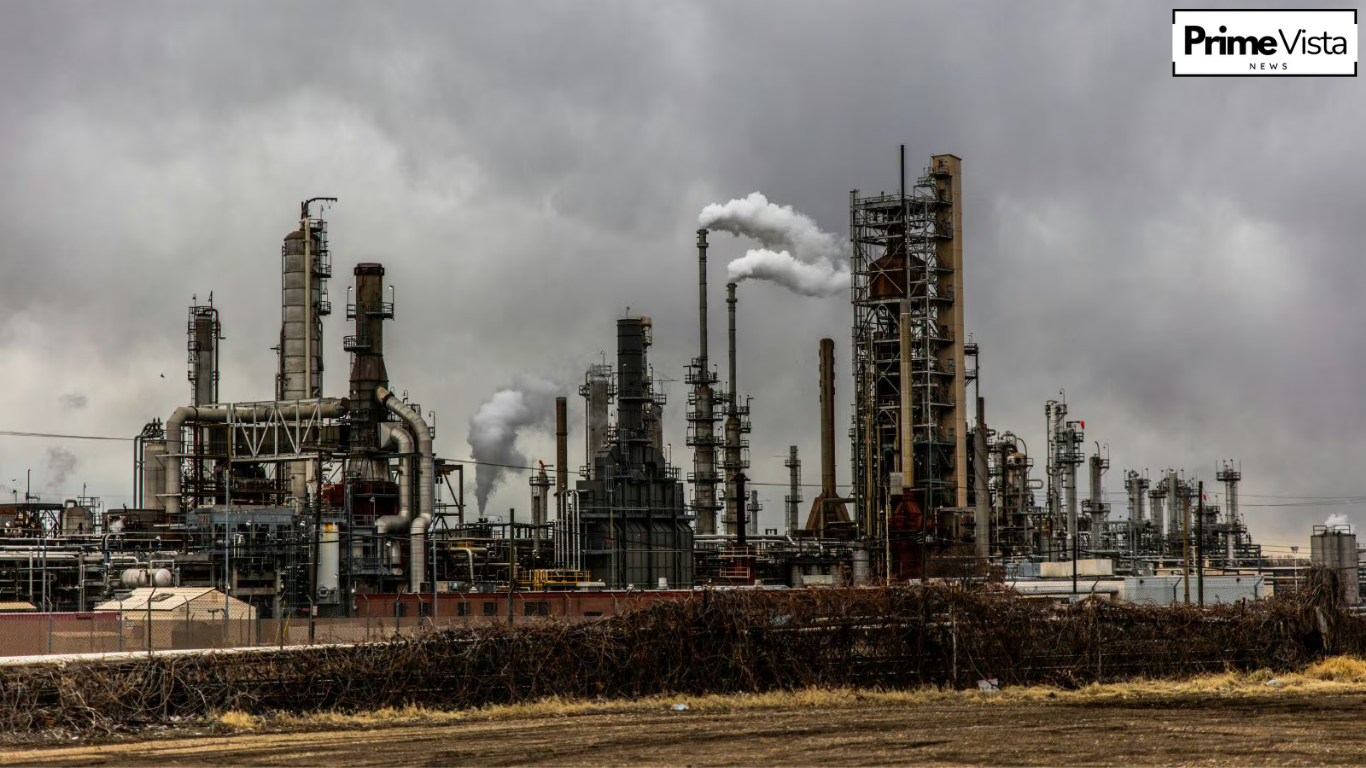
The reassurance comes at a time when international oil markets remain volatile due to security concerns around the Strait of Hormuz, one of the most important shipping routes for global energy trade.
India Diversifies Oil Imports To Reduce Risk
Government sources said India has gradually reduced its reliance on crude oil shipments that pass through the Strait of Hormuz by expanding procurement from other regions.
According to officials, the diversification strategy has already begun to show results.
Key changes in India’s energy sourcing strategy include:
- Oil sourced from non-Hormuz regions has increased from 60% earlier to nearly 70%.
- Dependence on the Middle East has gradually reduced as India expands procurement from other global suppliers.
- The government has been actively negotiating long-term supply agreements with alternative energy exporters.
Previously, around 40% of India’s oil imports were linked to Middle Eastern routes, most of which passed through the Strait of Hormuz. Officials say that diversification efforts are now aimed at insulating the country from geopolitical disruptions in the Gulf region.
A government official explained that India has already begun sourcing oil and natural gas from several alternative suppliers in response to the current situation.
“Diversification has been an ongoing effort. With disruptions in the Middle East, India has started sourcing oil and gas from other countries to ensure stability in domestic supplies,” the official said.
Government Activates Fuel Supply Management Programme
Authorities have also implemented a nationwide fuel supply management system to monitor inventories and maintain smooth distribution.
Officials say the system is designed to prevent shortages and ensure fuel reaches consumers without disruption.
Measures currently in place include:
- Monitoring of refinery production levels across the country
- Real-time tracking of fuel inventories
- Emergency coordination between oil marketing companies
- Logistics support for uninterrupted transportation of fuel
The government has also instructed agencies to remain alert to potential disruptions in shipping routes or supply chains as the conflict in the Middle East evolves.
LPG Supply Remains Adequate, Officials Say
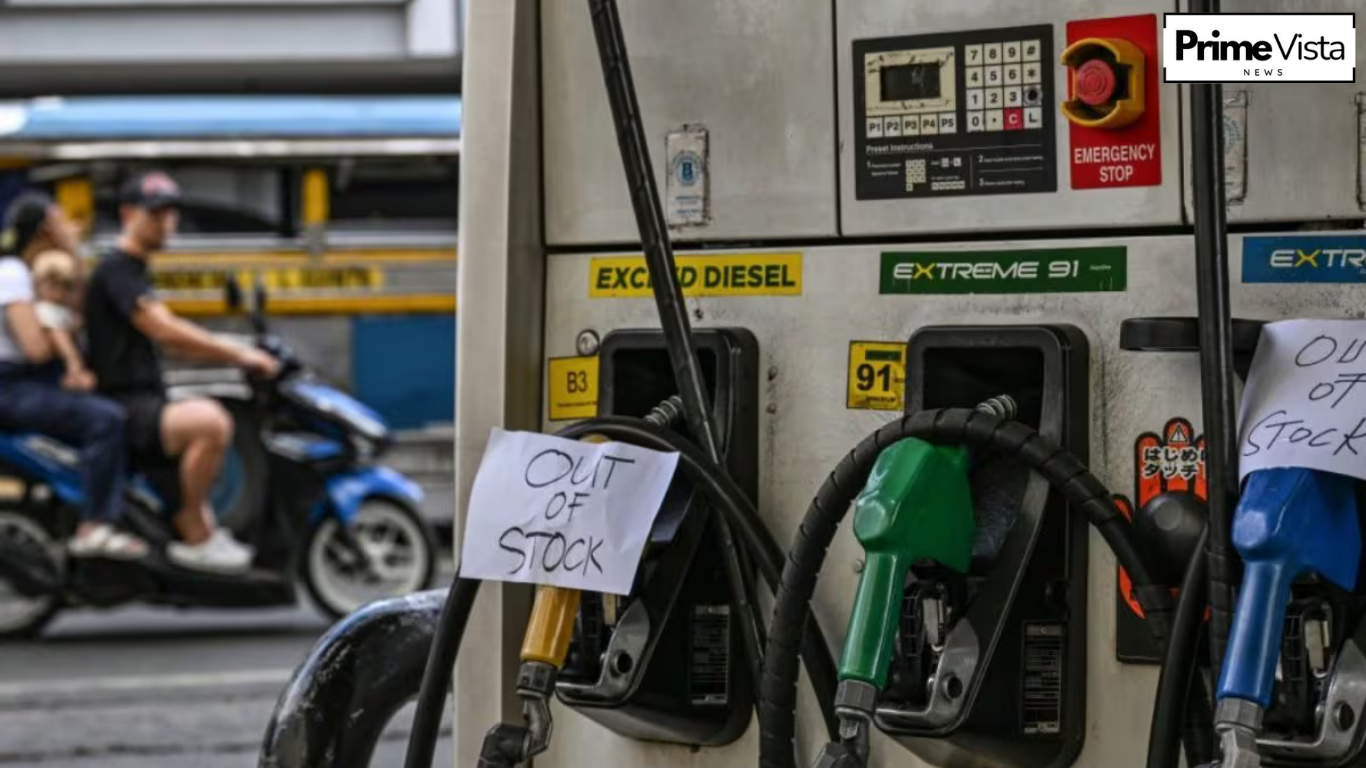
Concerns about possible shortages of cooking gas have also surfaced amid the geopolitical tensions. However, government officials have reassured citizens that supplies of liquefied petroleum gas remain sufficient.
According to sources familiar with the matter:
- The recent LPG price increase is marginal and not linked to any major supply disruption.
- LPG distributors across India currently have adequate stock to meet demand.
- No region in the country is facing a shortage of domestic cooking gas.
Officials emphasised that the government is closely monitoring the availability of LPG cylinders to prevent panic buying.
“Domestic consumers remain the government’s top priority when it comes to fuel and LPG supply,” a senior official told Prime Vista News.
Strict Measures Against Fuel Black Marketing
Authorities have also issued strict warnings against hoarding or black marketing of petrol, diesel or LPG cylinders.
Government agencies have reportedly activated enforcement mechanisms to prevent illegal trading or artificial shortages in the market.
Officials said several monitoring systems have been put in place, including:
- Inspection of fuel storage facilities
- Monitoring supply chains of oil marketing companies
- Surveillance on LPG distribution networks
Any attempt to manipulate prices or create artificial scarcity could invite strict legal action.
The government has stressed that fuel supplies remain stable and that panic buying is unnecessary.
Strait Of Hormuz Remains Critical For India
Despite the diversification efforts, the Strait of Hormuz continues to play a crucial role in India’s energy security.
The narrow maritime corridor between Iran and Oman connects the Persian Gulf with the Arabian Sea and serves as the main shipping route for oil and gas exports from the Gulf region.
A significant portion of India’s energy imports still passes through this strategic waterway.
Importance Of The Strait Of Hormuz
| Factor | Details |
|---|---|
| Location | Between Iran and Oman |
| Width | About 55 kilometres |
| Global Oil Flow | Roughly 13 million barrels per day |
| Global Share | Around 31% of worldwide oil shipments |
| LNG Transport | Major route for global liquefied natural gas shipments |
Any disruption in the strait could impact not only India but also the broader global energy market.
Cargo Vessel Attack Raises Concerns
The government’s reassurance on fuel supplies came shortly after reports emerged of a maritime security incident near the Strait of Hormuz.
A Thai-flagged cargo ship reportedly heading toward India was attacked shortly after departing from a port in the United Arab Emirates.
While details of the attack remain limited, the incident has heightened concerns over shipping safety in the region as the conflict continues to escalate.
The situation underscores the vulnerability of commercial vessels operating near the Persian Gulf during periods of military tension.
India’s LPG Dependence On Imports
India remains heavily dependent on imported liquefied petroleum gas to meet domestic demand.
Government data shows:
- Around 60% of India’s total LPG demand is met through imports.
- Nearly 80–90% of those imports traditionally originate from the Middle East.
- A large portion of those shipments travel through the Strait of Hormuz.
Because of this dependence, disruptions in the region can influence LPG prices and supply dynamics within India.
In recent days, domestic LPG prices have seen minor adjustments in several major cities due to rising global shipping costs and energy market uncertainty.
However, officials insist the increase is modest and not indicative of a larger supply crisis.
Earlier Report : Iran Denies Claims Of Allowing India-Flagged Tankers Through Strait Of Hormuz Amid Escalating War
Global Energy Markets Remain Volatile
The broader Iran-US conflict has already begun influencing global oil markets, with energy prices reacting sharply to any signs of disruption in Gulf shipping routes.
Industry experts say even the possibility of reduced traffic through the Strait of Hormuz can trigger volatility in oil prices.
For countries like India, which rely heavily on imported energy, maintaining supply diversification and strategic reserves has become increasingly important.
Despite the uncertain geopolitical environment, officials say India’s current fuel reserves and diversified import strategy should help maintain stability in the domestic market.
Government Monitoring Situation Closely
Indian authorities continue to track developments in the Middle East conflict and its potential impact on energy supplies.
Officials say contingency plans remain in place to respond quickly if the security situation worsens.
For now, the government’s message to consumers remains clear: fuel supplies are stable, prices remain under control, and there is no immediate reason for concern.
Prime Vista News will continue to monitor developments related to global energy markets and their impact on India.