











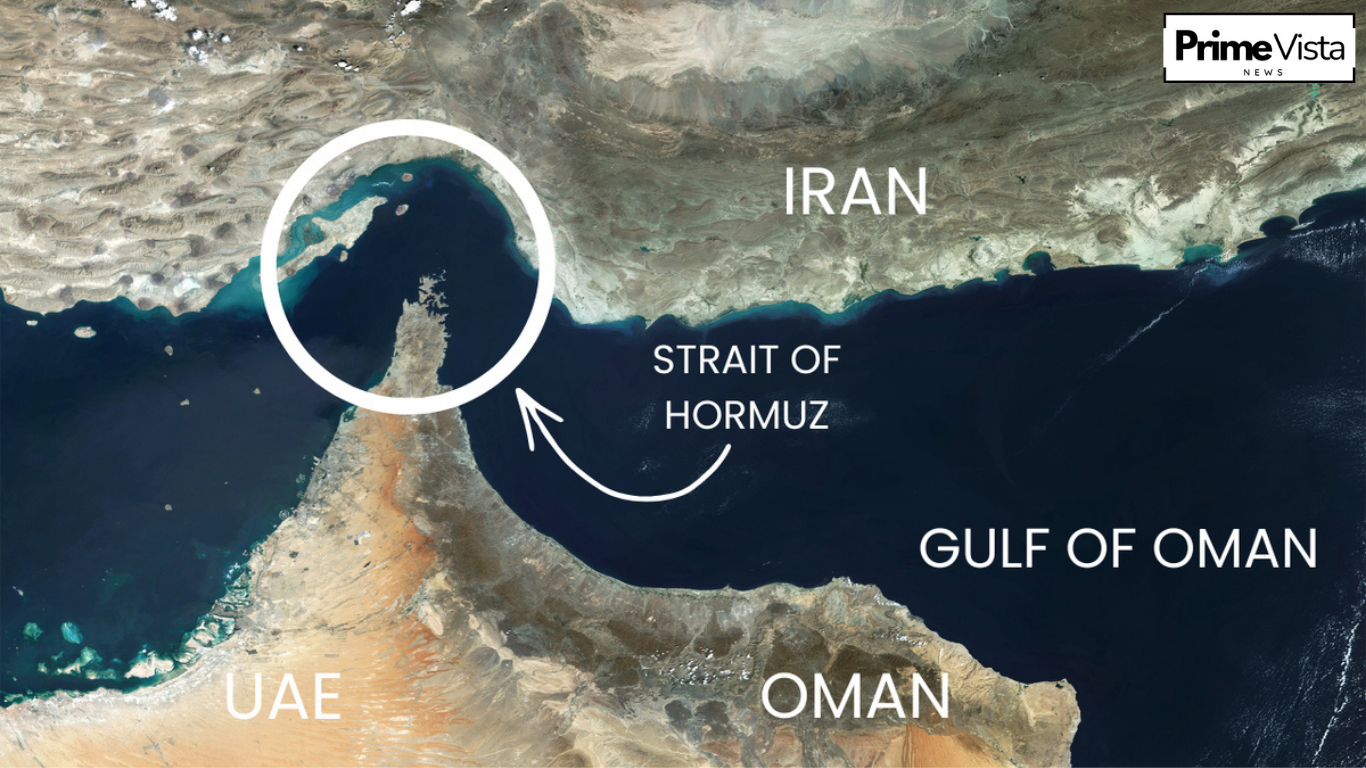
Iran Denies Claims Of Allowing India-Flagged Tankers Through Strait Of Hormuz Amid Escalating War :
Prime Vista News
Iran rejects reports claiming it allowed India-flagged tankers to pass through the Strait of Hormuz during the ongoing US-Israel conflict. The strategic waterway remains tense as global oil markets react.
New Delhi:
Iran has rejected reports suggesting that it granted special passage to India-flagged oil tankers through the strategically crucial Strait of Hormuz, even as maritime traffic in the region remains severely disrupted due to the ongoing conflict involving the United States and Israel.
Officials in Tehran denied claims that India had received any special exemption after diplomatic discussions between S. Jaishankar and Abbas Araghchi. The reported talks were believed to have focused on keeping energy supply routes open for India amid rising global oil prices.
However, a source in Tehran dismissed the reports when contacted by Prime Vista News, stating clearly that Iran had not allowed any specific national exemptions in the Strait of Hormuz.
“No, it’s not true,” the source said, responding to claims that India-flagged vessels were being permitted safe passage through the waterway while ships linked to Western nations continued to face restrictions.
The clarification comes at a time when the vital maritime corridor has become one of the most sensitive flashpoints in the broader regional conflict.
Reports Of Indian Tankers Crossing The Strait
Earlier reports had suggested that at least two India-flagged oil tankers Pushpak and Parimal had managed to transit the Strait of Hormuz safely despite heightened military tensions in the region.
According to those claims:
- Two Indian tankers, Pushpak and Parimal, were reportedly travelling through the strait without facing restrictions.
- Ships linked to the United States, Europe and Israel were believed to be encountering significant obstacles or security concerns in the same route.
- A Liberian-flagged tanker carrying Saudi crude oil, commanded by an Indian captain, had also reportedly cleared the waterway earlier and reached Mumbai.
That vessel is said to have docked at the Port of Mumbai after completing the journey, becoming one of the first ships delivering oil to India since the conflict intensified.
However, Tehran’s denial has raised questions about the accuracy of those reports and whether the safe passage of those vessels was coincidental rather than the result of diplomatic arrangements.
Iran Tightens Control Over Maritime Traffic
Amid the escalating confrontation with the United States and Israel, Iranian military officials have warned that ships navigating the Strait of Hormuz must follow strict guidelines or risk becoming targets.
The commander of the naval arm of the Islamic Revolutionary Guard Corps (IRGC) previously stated that vessels intending to cross the waterway may need to seek Iranian approval.
According to Iranian officials, ships suspected of supporting American or Israeli interests could face military action if they attempt to pass through the strait without permission.
Iran has argued that such measures are part of its broader security strategy following repeated airstrikes and military operations carried out against its territory during the ongoing conflict.
War Enters Second Week With No End In Sight
The war involving Iran, the United States and Israel has now entered its 13th day, with military strikes continuing across multiple fronts.
The conflict has significantly disrupted maritime movement in the Persian Gulf, forcing shipping companies to reconsider routes and raising fears of a prolonged energy supply crisis.
Key developments during the conflict include:
- Continued air and missile strikes targeting Iranian military facilities.
- Tightened security measures by Iran across key shipping lanes.
- A dramatic decline in the number of commercial vessels travelling through the Strait of Hormuz.
- Sharp fluctuations in global oil prices due to supply concerns.
Energy analysts warn that even temporary disruptions in the strait can send shockwaves through international markets.
Why The Strait Of Hormuz Is So Important ?
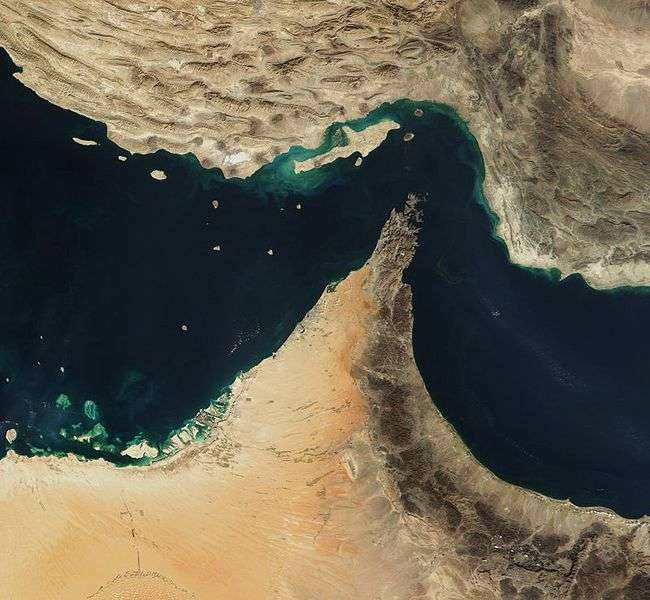
The Strait of Hormuz is one of the most critical maritime chokepoints in the global energy system.
Located between Iran and Oman, the narrow passage connects the Persian Gulf with the Arabian Sea and serves as the primary route for oil exports from several major energy-producing countries.
Key Facts About The Strait Of Hormuz
| Feature | Details |
|---|---|
| Width | Approximately 55 kilometres at its narrowest point |
| Global Oil Flow | Around 13 million barrels of oil per day |
| Share of Global Oil Trade | Roughly 31% of worldwide oil shipments |
| LNG Transport | Significant portion of global liquefied natural gas shipments |
| Strategic Importance | Primary export route for Gulf energy producers |
Major oil-exporting nations that rely heavily on the strait include:
- Iraq
- Kuwait
- Saudi Arabia
- United Arab Emirates
- Iran
For many of these countries, the Strait of Hormuz represents the main gateway through which energy supplies reach global markets.
Any disruption to this passage can quickly impact energy prices, shipping costs and supply chains worldwide.
Iran’s Military Capabilities In The Strait
Military analysts say Iran possesses a wide range of weapons capable of threatening ships travelling through the waterway.
According to assessments by the US Defense Intelligence Agency, Iran has developed anti-ship cruise missiles that can reach most areas of the Strait of Hormuz.
These weapons were reportedly developed using technology derived from Chinese missile systems.
Iran’s arsenal also includes:
- Long-range ballistic and cruise missiles
- Armed drones
- Fast attack boats used for swarm tactics
- Naval mines capable of blocking shipping lanes
Such tactics were previously used during the Iran-Iraq War in the 1980s when both sides targeted oil tankers in what became known as the “Tanker War.”
Recent reports indicate that US forces have already conducted operations targeting Iranian vessels suspected of laying naval mines in the current conflict, highlighting the seriousness of the situation.
Earlier Report – Iran Sets Three Conditions To End War With US, Israel-Demands Compensation And Security Guarantees
Global Energy Markets Watching Closely
The tensions surrounding the Strait of Hormuz have placed global energy markets on high alert.
Even the perception of instability in the region can trigger sudden spikes in oil prices due to fears that supplies from the Persian Gulf could be interrupted.
Energy traders and governments are closely monitoring the situation because:
- Nearly one-third of global oil shipments pass through the strait.
- A large share of the world’s liquefied natural gas travels through the same route.
- Alternative shipping routes are limited and often significantly longer.
If the conflict continues to intensify, experts warn that the resulting supply disruptions could impact everything from fuel prices to inflation levels across the world.
Uncertainty Over Shipping Safety
Despite Iran’s denial regarding India-flagged vessels receiving special treatment, the safe movement of tankers through the strait remains uncertain.
Shipping companies are increasingly cautious about sending vessels into the region, while insurance costs for ships operating near the conflict zone have surged.
For energy-importing nations such as India, ensuring uninterrupted oil supply remains a major strategic concern.
Diplomatic engagement between regional powers and major economies is expected to continue as governments attempt to prevent the maritime crisis from escalating into a wider economic shock.
For now, the Strait of Hormuz remains one of the most closely watched flashpoints in the unfolding Middle East conflict.
Prime Vista News will continue to track developments as the situation evolves.