













US urged India to buy Russian oil already at sea to ease supply fears, says Energy Secretary !
Prime Vista News
The US has urged India to purchase Russian oil already floating at sea to prevent supply shortages and price spikes during the ongoing West Asia conflict.
The United States has asked India to purchase Russian crude oil cargoes that are currently floating at sea in an effort to stabilise global oil supplies during the ongoing West Asia conflict.
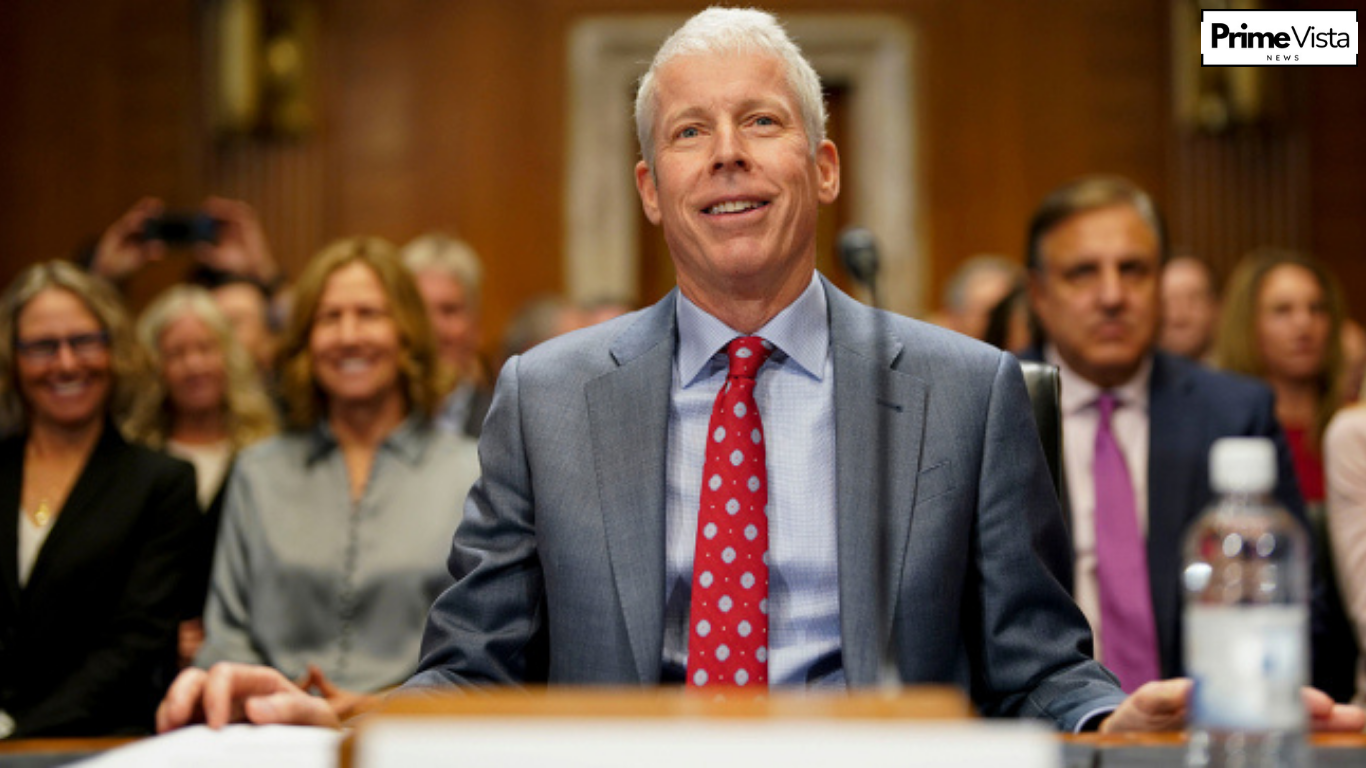
According to Chris Wright, the request is part of a temporary and pragmatic measure aimed at preventing oil shortages and controlling price spikes in the international market.
Wright emphasised that the move does not represent any change in Washington’s policy toward Russia, but rather a short-term step to maintain stability in global energy supplies during a period of geopolitical tension.
US suggests redirecting Russian oil cargoes to India
Speaking in an interview with CNN, Wright revealed that he personally contacted Indian authorities regarding the proposal.
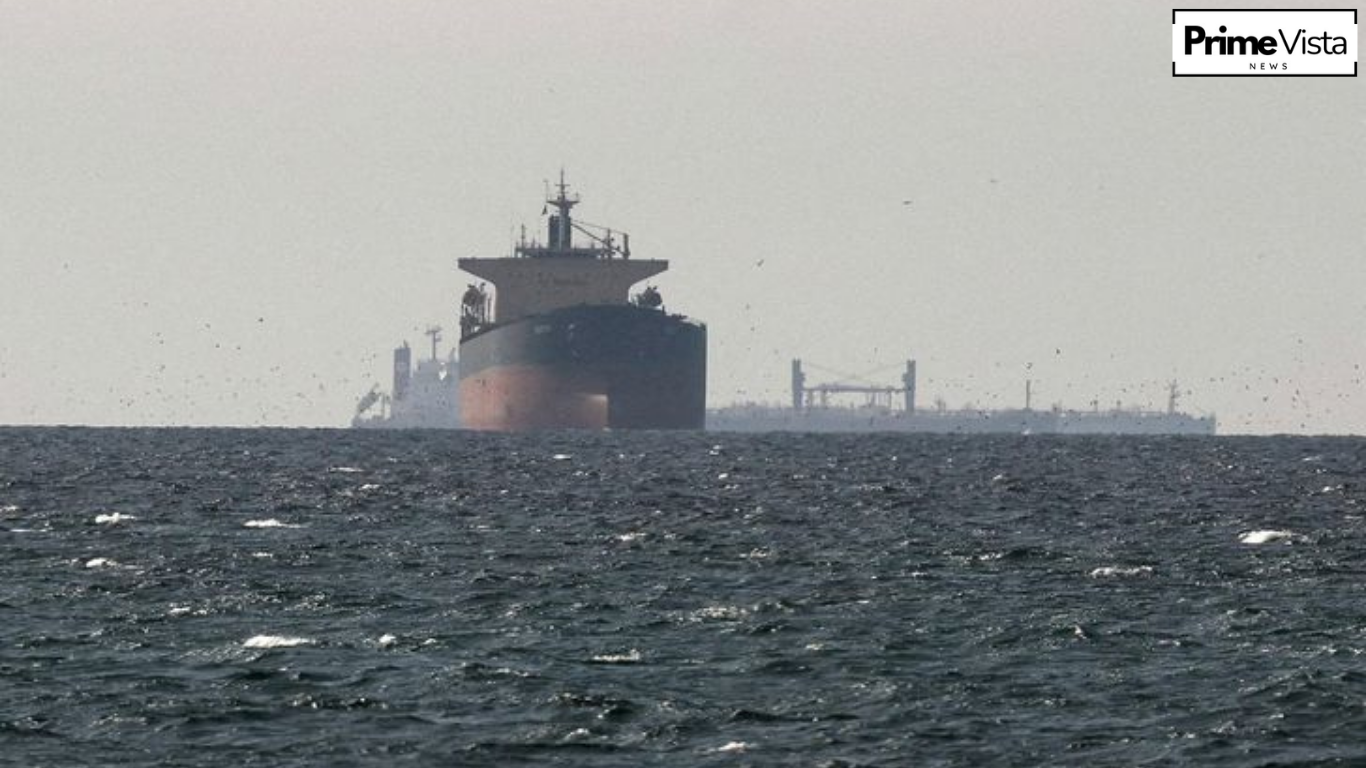
He said several cargoes of Russian crude oil were currently waiting at sea to be unloaded at refineries in China, creating delays that could disrupt supply chains.
Wright explained that redirecting those shipments to India could quickly bring additional oil into the market and reduce fears of shortages.
“I did call up the Indians, as did Treasury Secretary Scott Bessent, and said there’s a whole bunch of oil floating waiting to unload at Chinese refineries,” Wright said.
Instead of waiting weeks to offload in China, the United States suggested that the shipments be diverted to Indian refineries, allowing them to enter the supply chain more quickly.
The idea, according to Wright, is to tamp down fears of oil shortages, calm the market, and prevent sudden price spikes during the ongoing conflict in the region.
Temporary step, not a policy shift
Despite the unusual proposal, the US Energy Secretary clarified that Washington’s stance toward Russia remains unchanged.
The United States and several Western allies imposed sanctions on Russian energy exports following geopolitical tensions and conflicts in recent years.
Wright stressed that the current decision is strictly a short-term measure aimed at easing pressure on global energy markets.
“It’s just a pragmatic effort that has a short time span. There is no change in policy toward Russia,” he said.
Officials also highlighted that India is aware of Washington’s broader sanctions policy and understands that the move is designed purely to manage supply disruptions caused by the ongoing regional conflict.
30-day waiver allows temporary purchases
The US Treasury Department recently introduced a 30-day waiver allowing Indian refiners to buy Russian oil that is already in transit on international waters.
The decision was announced by Scott Bessent, who said the temporary permission would help prevent global supply disruptions.
According to Bessent, there are hundreds of millions of barrels of sanctioned crude oil currently on ships at sea, waiting to be unloaded.
By allowing those shipments to be delivered, the United States hopes to increase available supply and stabilise energy prices.
The authorisation specifically applies to Russian crude oil or petroleum products that were loaded onto vessels before March 5.
Under the licence issued by the Treasury Department, the oil must be delivered or unloaded at a port in India, and the buyer must be a company registered under Indian law.
The waiver remains valid until April 4, after which normal sanctions rules are expected to resume.
US says India has cooperated on oil policy
Bessent also noted that India had previously reduced its purchases of sanctioned Russian oil after Washington encouraged its allies to limit trade with Moscow.
He said India had been cooperative and had begun increasing imports from other suppliers, including the United States.
“The Indians had been very good actors,” Bessent said, explaining that India was expected to replace some Russian oil imports with supplies from the United States, Venezuela and other producers.
However, the current situation created a temporary gap in global supply that required a short-term solution.
Allowing India to purchase oil already at sea could quickly add large volumes to the market without significantly altering long-term policy.
Earlier Report : Who is Mojtaba Khamenei, Iran’s new supreme leader? Would he bring change or stronger hardline rule?
US officials defend the decision
The temporary waiver has sparked debate among analysts who question whether allowing Russian oil sales could undermine efforts to isolate Moscow economically.
However, Mike Waltz defended the decision, calling it a practical response to a short-term crisis.
In an interview with NBC News, Waltz said the move is simply intended to ensure that oil shipments already in transit reach refineries instead of sitting idle at sea.
“It’s a 30-day pause to allow the millions and millions of barrels of oil sitting on ships to go to Indian refineries,” he said.
Waltz added that the broader goal remains to stabilise global energy markets while addressing regional tensions.
Global energy markets remain sensitive
The decision comes at a time when global oil markets are already under pressure due to geopolitical instability and fears of supply disruptions in the Middle East.
Any interruption in energy supplies from the region can quickly trigger price volatility and affect economies around the world.
Energy analysts say redirecting existing shipments could help ease market concerns without requiring new production increases.
For countries like India, which imports a large portion of its crude oil requirements, maintaining stable supply and manageable prices remains a key economic priority.
The temporary arrangement between Washington and New Delhi highlights how global energy politics often requires flexible solutions during periods of crisis, even when broader geopolitical tensions remain unresolved.