


Who is Mojtaba Khamenei, Iran’s new supreme leader? Would he bring change or stronger hardline rule?
Prime Vista News
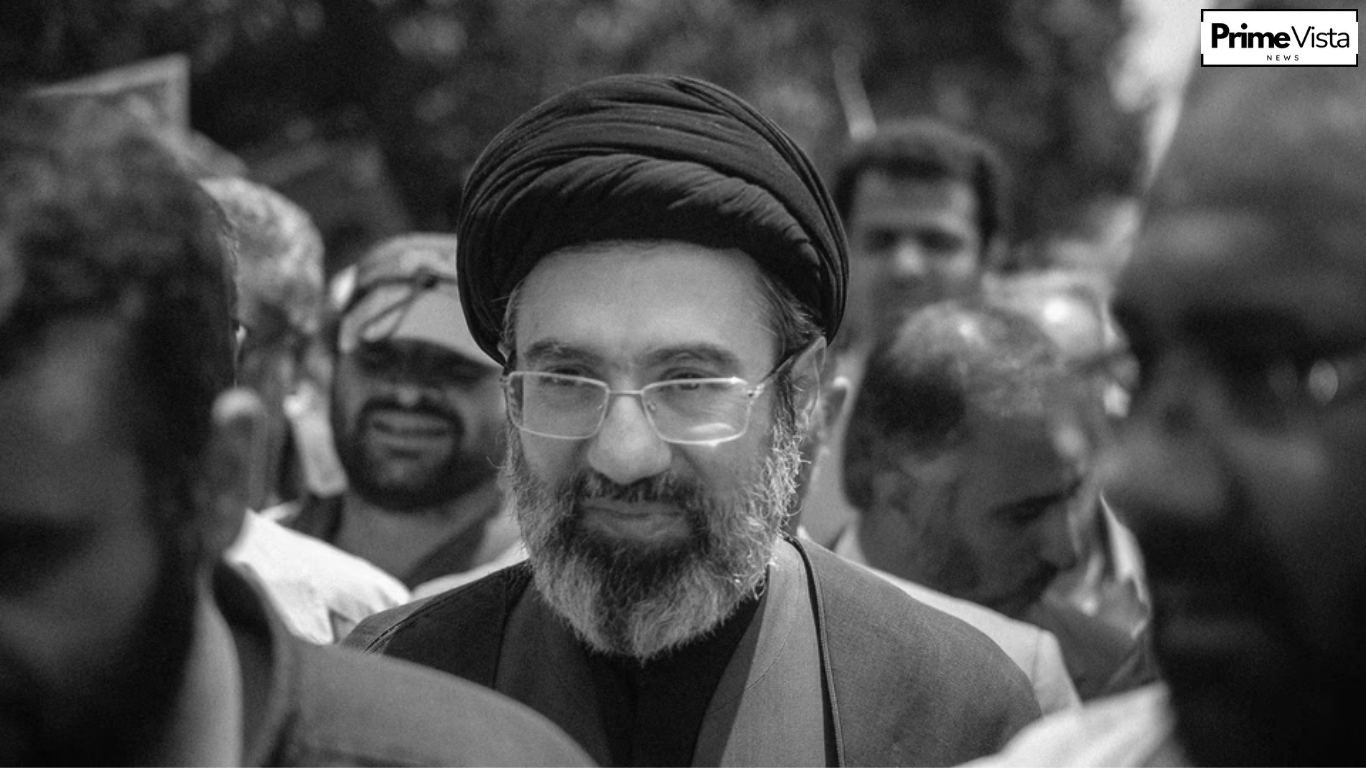
Mojtaba Khamenei, son of Iran’s late supreme leader Ali Khamenei, has emerged as the country’s new leader. Here’s who he is and what his leadership could mean for Iran and global politics.
The reported death of Ali Khamenei has triggered one of the most significant political transitions in the history of the Iran since the Iranian Revolution.
His successor, Mojtaba Khamenei, has long been viewed as one of the most powerful figures behind the scenes in Iranian politics. Although he rarely appeared in public office, he maintained close ties to the country’s security institutions and the political networks surrounding the Supreme Leader’s office.
His rise to power raises important questions about the future of Iran’s political system and whether the country will move toward reform or continue its hardline approach.
Nearly half a century after the revolution that ended monarchy in Iran, the possibility of a son succeeding his father has also sparked debate about whether the Islamic Republic is moving toward a more dynastic structure.
Who is Mojtaba Khamenei?
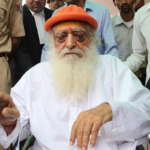
Mojtaba Khamenei is a Shiite cleric who spent most of his career operating within the political and administrative structures surrounding the Supreme Leader rather than holding formal government office.
Born in 1969, he is the second son of Ali Khamenei and grew up during the turbulent years of revolutionary Iran.
At the age of 17, Mojtaba briefly participated in the Iran-Iraq War, a conflict that shaped an entire generation of Iranian political and military leaders.
However, his real influence began emerging during the late 1990s, when his father had already consolidated authority as Iran’s supreme leader.
Instead of pursuing electoral politics, Mojtaba gradually developed influence within the Office of the Supreme Leader, where he was widely seen as a political gatekeeper.
Over time, analysts say he became an important power broker inside the system, managing relationships with key political and security figures.
Close ties with Iran’s security establishment
One of the defining characteristics of Mojtaba Khamenei’s political profile is his close relationship with the Islamic Revolutionary Guard Corps (IRGC).
The IRGC is one of the most powerful institutions in Iran, controlling significant military, economic and political resources.
Observers believe Mojtaba developed strong ties with influential commanders and hardline political networks within the organization.
These connections have helped build his reputation as a figure trusted by Iran’s security establishment.
Critics also accuse him of playing a role in suppressing protests that erupted after Iran’s disputed 2009 presidential election, a period that saw widespread demonstrations across the country.
In 2019, the administration of Donald Trump imposed sanctions on Mojtaba Khamenei, alleging that he acted on behalf of the Supreme Leader despite not holding a formal state position.
Questions over legitimacy and dynastic rule
Under Iran’s constitution, the Supreme Leader is chosen by the Assembly of Experts, an 88-member council of Islamic scholars.
The assembly is responsible for selecting the leader based on religious scholarship, political understanding and leadership ability.
However, critics argue that the selection process is heavily influenced by political structures linked to the Supreme Leader’s office.
Mojtaba Khamenei’s rise has sparked debate because the Islamic Republic was founded on a strong rejection of hereditary monarchy after the fall of the Mohammad Reza Pahlavi.
The revolutionary leadership in 1979 promised a political system based on religious authority rather than dynastic succession.
To some Iranians, the idea of a son succeeding his father as Supreme Leader appears to contradict those principles.
Nevertheless, Mojtaba cannot simply inherit the role. The Assembly of Experts must formally select him.
Even so, analysts say political systems can evolve into dynastic structures through informal networks of influence, including family ties, security alliances and control over media institutions.
Symbolism surrounding Ali Khamenei’s death
The circumstances surrounding Ali Khamenei’s death could play a powerful role in shaping public perception of Mojtaba’s leadership.
For many Shiite Muslims, dying during the holy month of Ramadan carries deep religious symbolism.
Shiite history places strong emphasis on martyrdom, particularly the assassination of Ali ibn Abi Talib and the death of Husayn ibn Ali at the Battle of Karbala.
Iran’s revolutionary ideology frequently draws upon these historical narratives of sacrifice and resistance.
If the government frames Khamenei’s death within this context, it could strengthen the legitimacy of Mojtaba’s leadership among supporters.
Earlier Coverage : ‘World Cup jeetayega?’ Surya asked, ‘Bharosa karoge?’ replied Ishan Kishan-the promise that powered India’s T20 triumph !
How different might his leadership be?
One of the most important questions for Iran’s future is whether Mojtaba Khamenei will govern differently from his father.
Ali Khamenei was part of the revolutionary generation that shaped Iran’s political system after 1979.
His authority was built over decades through ideological leadership and careful management of competing political factions.
Mojtaba Khamenei, however, is often described as a product of Iran’s security networks rather than a public religious figure.
He is known less for speeches or theological scholarship and more for his influence behind the scenes.
If this assessment proves accurate, analysts believe Iran could see an even stronger role for security institutions in political decision-making.
This could deepen an already visible trend toward the securitisation of Iranian politics, where military and intelligence organizations wield increasing influence.
What his leadership could mean for Iran’s future
Experts say three major trends could shape Iran under Mojtaba Khamenei.
First, domestic political control could become stricter. His close ties with security institutions suggest protests or unrest may be met with strong enforcement measures.
Second, the Islamic Revolutionary Guard Corps may expand its influence in regional affairs, strengthening Iran’s role in conflicts and strategic alliances across the Middle East.
Third, negotiations with Western countries may remain cautious and tactical rather than signalling a major ideological shift.
Given rising tensions between Iran and countries such as the United States and Israel, analysts believe Tehran will likely maintain a firm stance while remaining pragmatic when national interests require it.
In essence, Mojtaba Khamenei’s leadership could represent continuity rather than transformation reinforcing the existing power structure while adapting to new geopolitical realities.