











Ram Rahim Gets Benefit of Doubt in Chhatrapati Murder Case: Punjab and Haryana HC Questions CBI Probe !
Prime Vista News
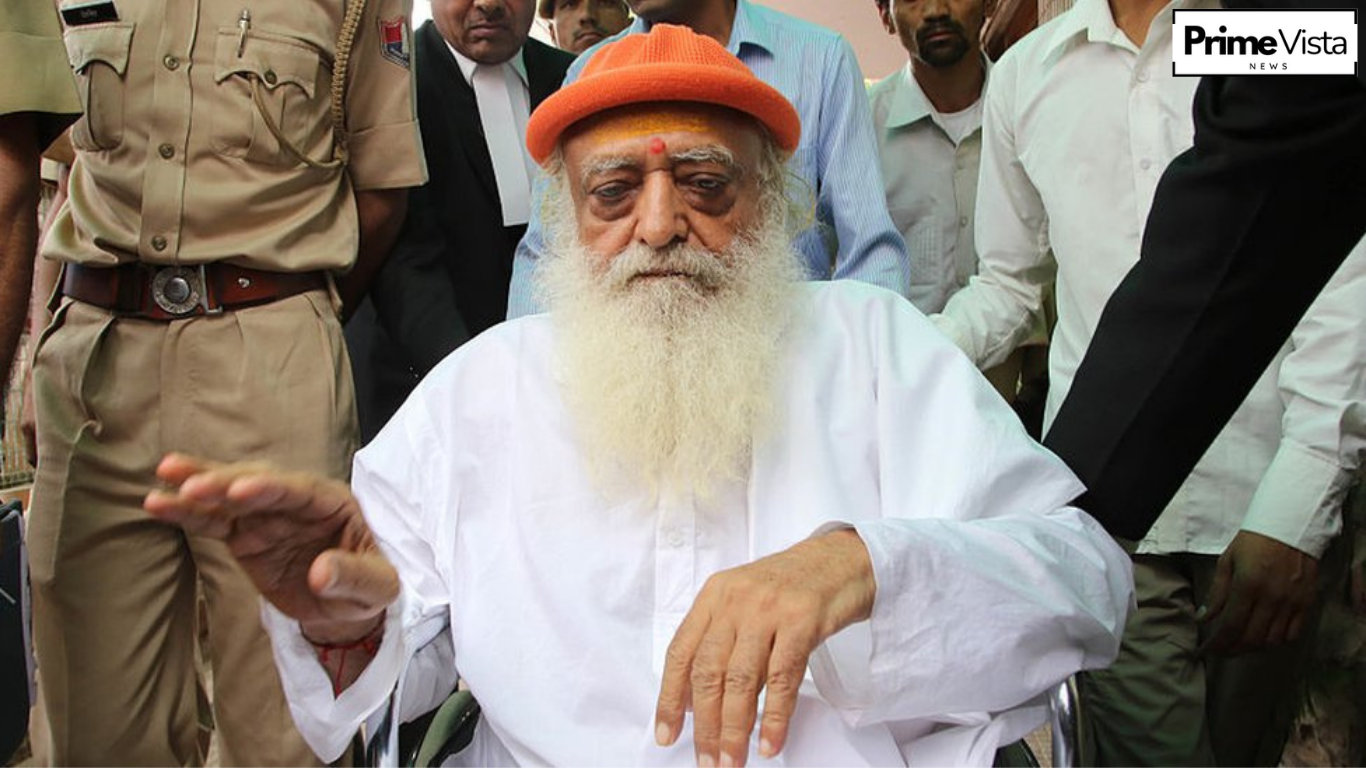
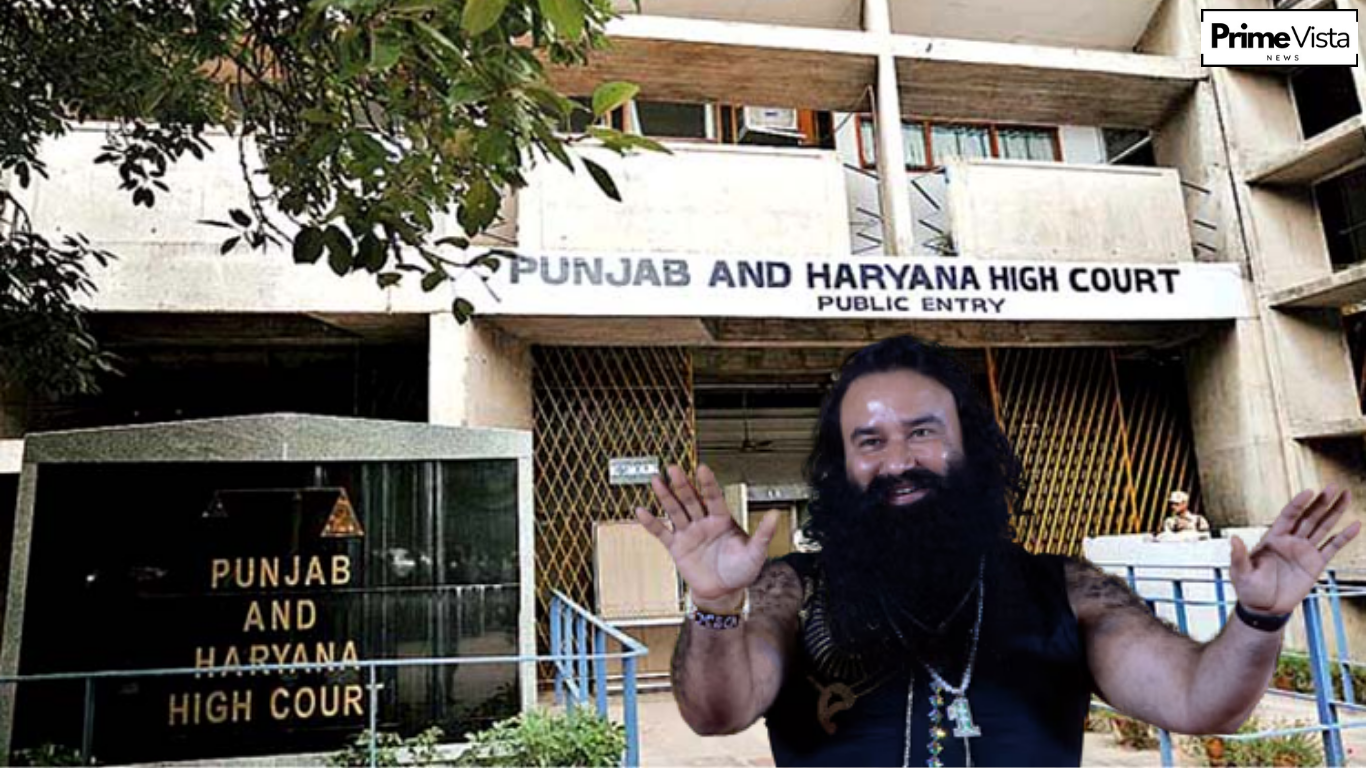
Punjab and Haryana High Court questioned the CBI investigation in the Ram Chander Chhatrapati murder case and granted Gurmeet Ram Rahim Singh benefit of doubt citing unreliable witness testimony.
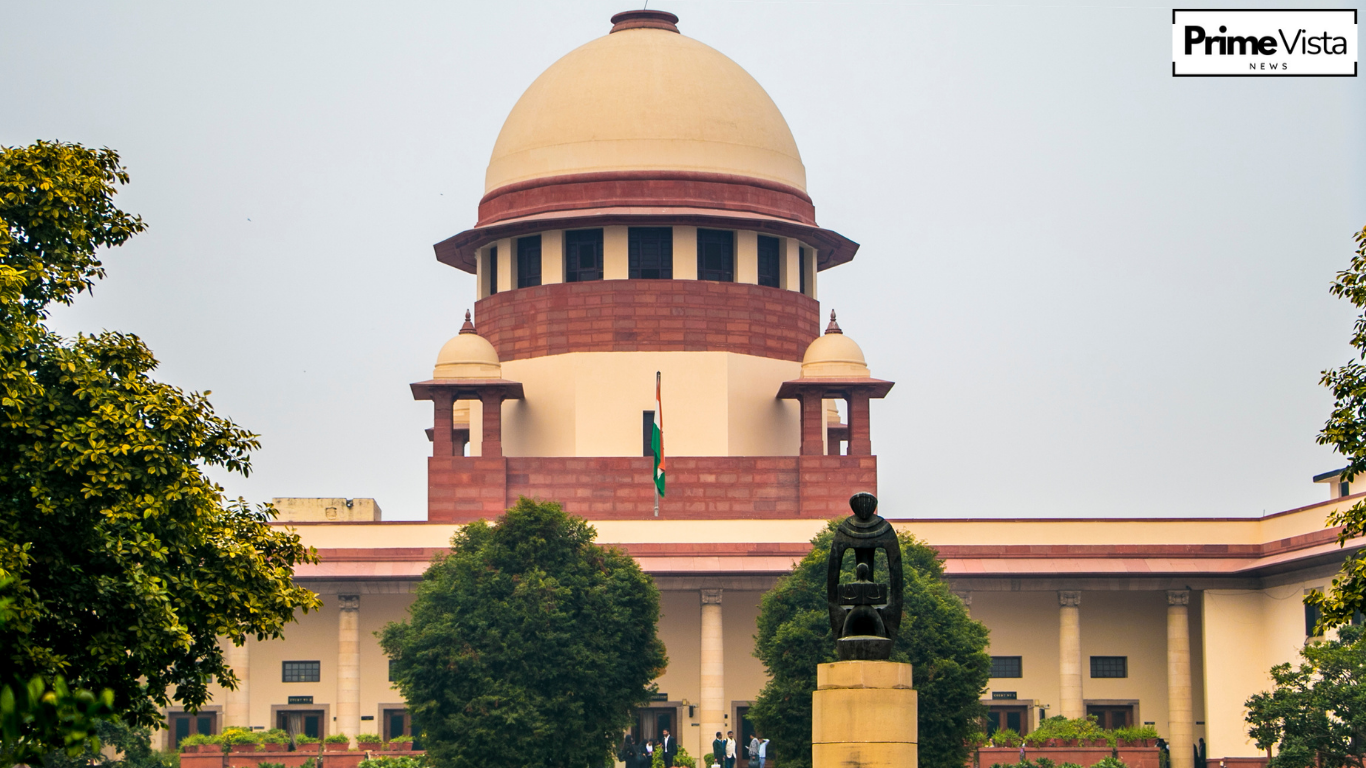
The Punjab and Haryana High Court has raised serious concerns over the investigation conducted by the Central Bureau of Investigation in the murder case of journalist Ram Chander Chhatrapati.
In a detailed 111-page judgment, the High Court granted benefit of doubt to Dera Sacha Sauda chief Gurmeet Ram Rahim Singh, stating that the prosecution failed to prove his involvement in the murder beyond reasonable doubt.
The Bench, comprising Chief Justice Sheel Nagu and Justice Vikram Aggarwal, criticised the investigative process and found serious inconsistencies in the testimony of the prosecution’s key witness.
While the court questioned the evidence against Ram Rahim, it noted that the prosecution had successfully established the case against the three co-accused, whose convictions remained intact.
Court finds prosecution’s key witness unreliable
A major factor behind the High Court’s decision was the testimony of the prosecution’s key witness Khatta Singh, who was projected by investigators as Ram Rahim’s driver.
The court observed that the witness had given inconsistent statements over the years, severely weakening the prosecution’s case.
According to the judgment, Khatta Singh had remained silent for several years after the incident and later changed his statements multiple times during the investigation.
The Bench noted that his conduct resembled someone “tossing from one side to the other like a ping pong ball,” making his testimony unreliable for establishing a criminal conspiracy.
The court stated that no conviction can be sustained solely on the basis of such inconsistent testimony, especially in a serious criminal case involving murder.
Allegations of pressure during investigation
The High Court also expressed concern about the manner in which the CBI handled the witness testimony during the investigation.
The judges noted that Khatta Singh had submitted several applications claiming he was pressured by investigators to make statements implicating Ram Rahim.
According to the court, the possibility that the witness was coerced into making certain statements could not be ruled out.
“It is a matter of grave concern that a premier investigating agency adopted such methodology,” the court observed, emphasising that investigators should focus on uncovering the truth rather than merely securing a conviction.
The judgment further stated that investigative agencies must follow fair and transparent procedures, particularly in cases that attract public attention.
Ram Rahim not named in early statements
The High Court also highlighted that Ram Rahim’s name did not appear in the early stages of the investigation.
When Khatta Singh first gave statements during the investigation in December 2006, he did not mention Ram Rahim’s involvement in the killing.
Even after the CBI took over the investigation, the witness did not initially implicate the Dera chief.
Additionally, none of the co-accused named Ram Rahim in their disclosure statements.
The court noted that the witness also gave statements in connection with another high-profile murder case involving Ranjit Singh, yet even then he did not accuse Ram Rahim in the Chhatrapati case.
It was only in June 2007 nearly five years after the shooting that the witness first alleged Ram Rahim’s role in the conspiracy, a delay that significantly weakened the prosecution’s argument.
Possibility of independent action by followers
While analysing the case, the court also considered the broader context of Ram Rahim’s position as a religious leader with a large number of followers.
The Bench noted that prominent public figures often have both supporters and opponents, and the influence of religion and sectarian loyalty can sometimes lead followers to take extreme actions.
The judges observed that in India, religion, caste and sects play an important role in social dynamics, and individuals driven by strong religious devotion may act independently.
Based on the available evidence, the court concluded that the possibility of the three co-accused acting on their own could not be ruled out.
This uncertainty created reasonable doubt regarding Ram Rahim’s direct involvement in the conspiracy.
Courts must rely on evidence, not media narratives
The High Court also emphasised that courts must rely strictly on evidence presented during trial rather than public perception or media coverage.
The Bench noted that high-profile cases often attract intense media attention, but judicial decisions must remain independent of public opinion.
According to the judgment, criminal jurisprudence requires the prosecution to establish guilt beyond reasonable doubt.
If two possible interpretations exist one indicating guilt and another indicating innocence the benefit of doubt must always go to the accused.
This principle played a crucial role in the court’s decision to grant relief to Ram Rahim.
Missing evidence raises further doubts
Another major issue raised by the court was the absence of crucial evidence during the trial.
The judges pointed out that a police officer, SI Ram Chander, had reportedly recorded a statement from the injured journalist at PGI Rohtak on October 26, 2002.
However, this statement was never produced in court by the prosecution.
The court found it surprising that such a crucial witness was later dropped by the prosecution as “unnecessary.”
According to the Bench, this omission created serious doubts about the strength of the prosecution’s case.
Earlier Report : Why Sensex and Nifty Are Falling Today: 5 Key Reasons Behind the Sharp Stock Market Crash !
Background of the murder case
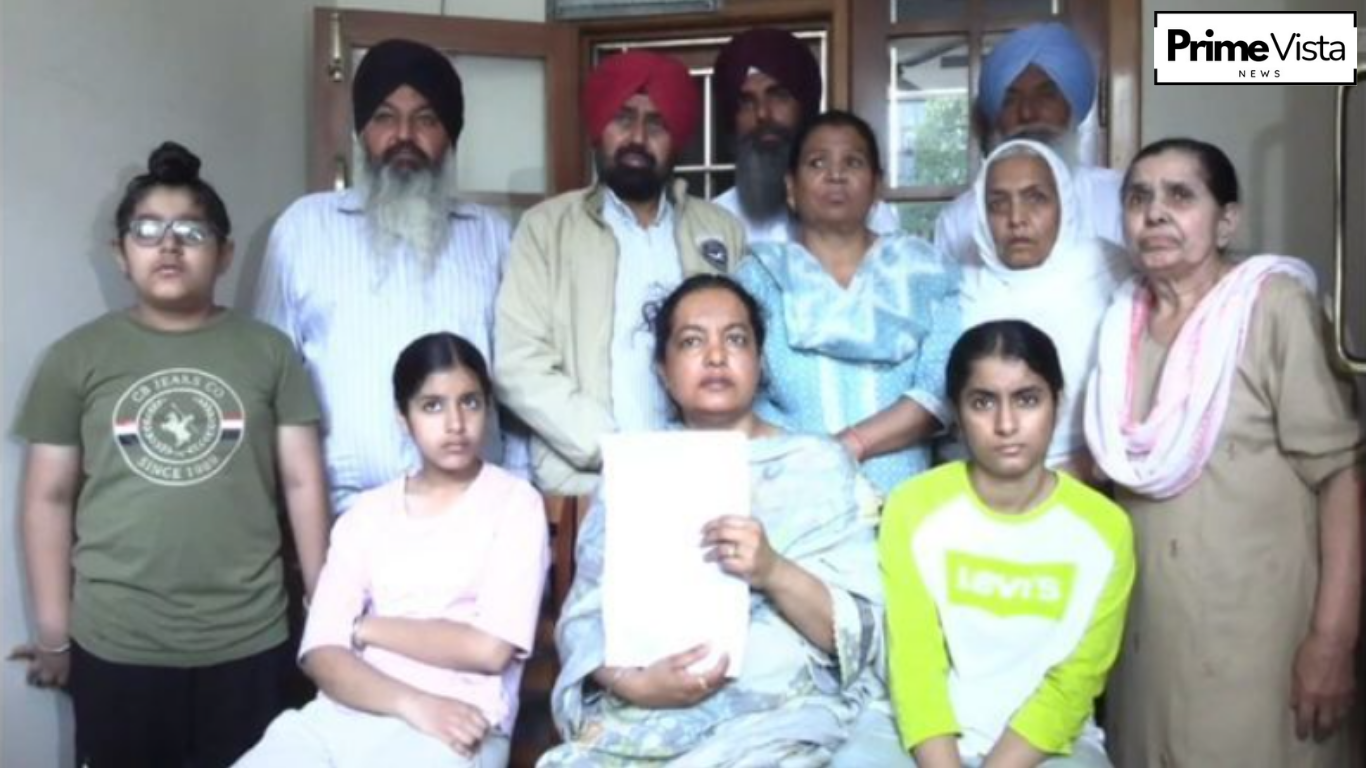
Journalist Ram Chander Chhatrapati was shot outside his residence in Sirsa, Haryana on October 24, 2002.
The attack occurred when the journalist stepped out of his house after someone called him outside while he was having dinner with his family.
Chhatrapati was rushed to hospital and remained under treatment for several days before succumbing to his injuries.
The case gained national attention due to its alleged links with Dera Sacha Sauda and the controversial activities surrounding the religious organisation.
Impact of the Verdict
After analysing all the evidence and witness testimony, the Punjab and Haryana High Court concluded that the prosecution had failed to prove Gurmeet Ram Rahim Singh’s involvement in the murder beyond reasonable doubt.
However, the court maintained that the evidence against the other accused remained strong.
The judgment also serves as a reminder that criminal convictions must rely on credible evidence and fair investigation, particularly in cases involving public figures and intense media scrutiny.