








First IAF Crash of 2026: Su-30MKI Fleet Attrition Reaches 13 Aircraft, Five Pilots Dead Since 2002 !
Prime Vista News
The Su-30MKI crash in Assam on March 5 marks the first major Indian Air Force accident of 2026, taking total fleet losses to 13 aircraft and five pilots since the fighter’s induction in 2002.
The fatal crash of a Sukhoi-30MKI combat aircraft in Assam on March 5 has pushed the total attrition of the Indian Air Force’s frontline fighter fleet to 13 aircraft since its induction in 2002, with five pilots losing their lives over the years.
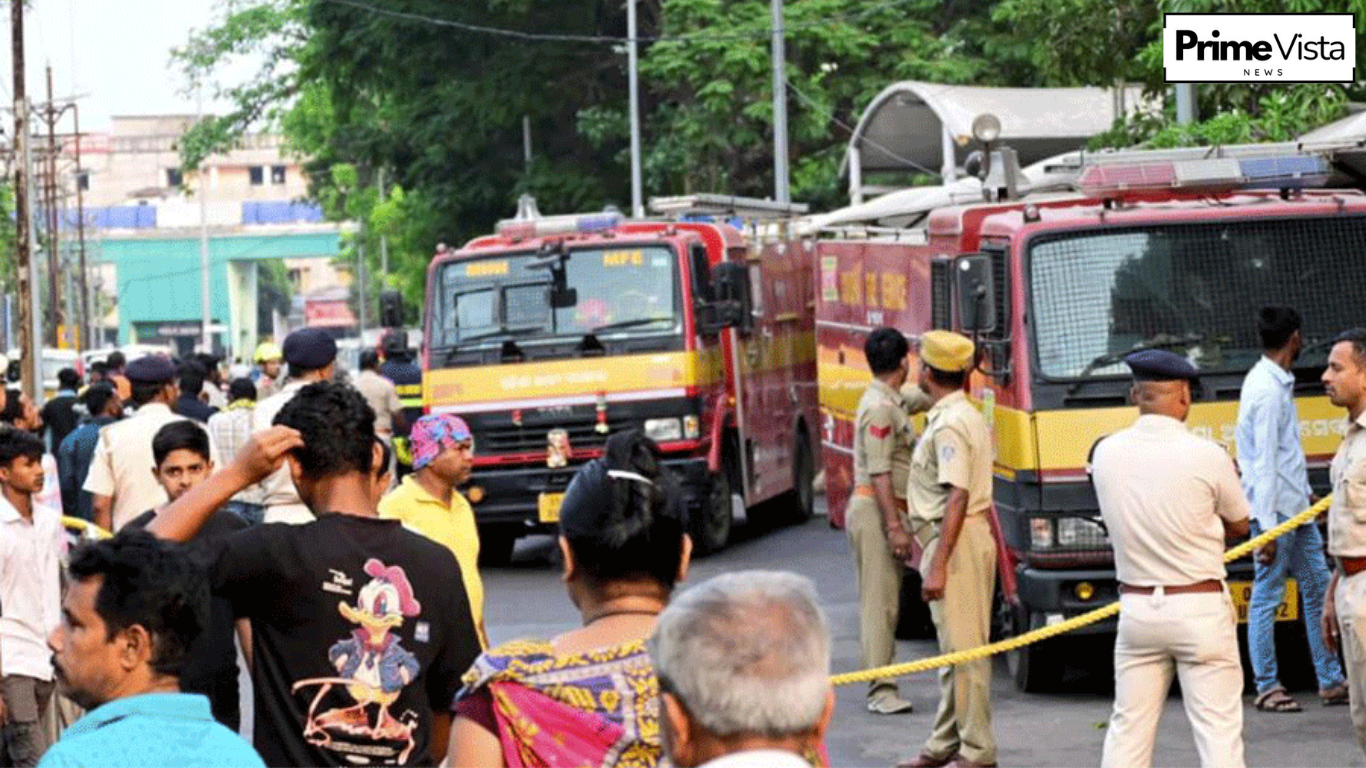
The aircraft was on a routine training sortie when it went down in Karbi Anglong district of Assam, resulting in the deaths of two officers a pilot and a flight navigator. A Court of Inquiry will determine the exact cause of the accident.
Crash During Training Mission
According to the Indian Air Force, the fighter aircraft crashed during a training mission in the northeastern state.
“The Su-30MKI which was on a training mission, crashed in the area of Karbi Anglong, Assam, approximately 60 km from Jorhat,” the IAF said in a post on its official X handle in the early hours of Friday.
Earlier on Thursday evening, the Air Force had stated that the aircraft was last in contact at 7.42 pm on March 5 and was subsequently declared “overdue.”
In aviation terminology, an aircraft is termed overdue when it loses contact with Air Traffic Control or fails to report within 30 minutes beyond its estimated time of arrival according to the flight plan.
First Major IAF Crash in 2026
The Assam incident marks the first major aircraft crash involving the Indian Air Force in 2026.
However, there have been a few other aviation incidents earlier this year:
- A Tejas aircraft suffered damage on the runway of a frontline airbase in February.
- A microlight aircraft made a forced landing near Prayagraj.
In 2025, the IAF recorded seven reported accidents, resulting in the deaths of four pilots.
The aircraft involved in those incidents included:
- Three Jaguar fighter jets
- One Mirage-2000
- One Tejas Light Combat Aircraft
- One AN-32 tactical transport aircraft
- One PC-7 trainer aircraft
Backbone of the IAF Fighter Fleet
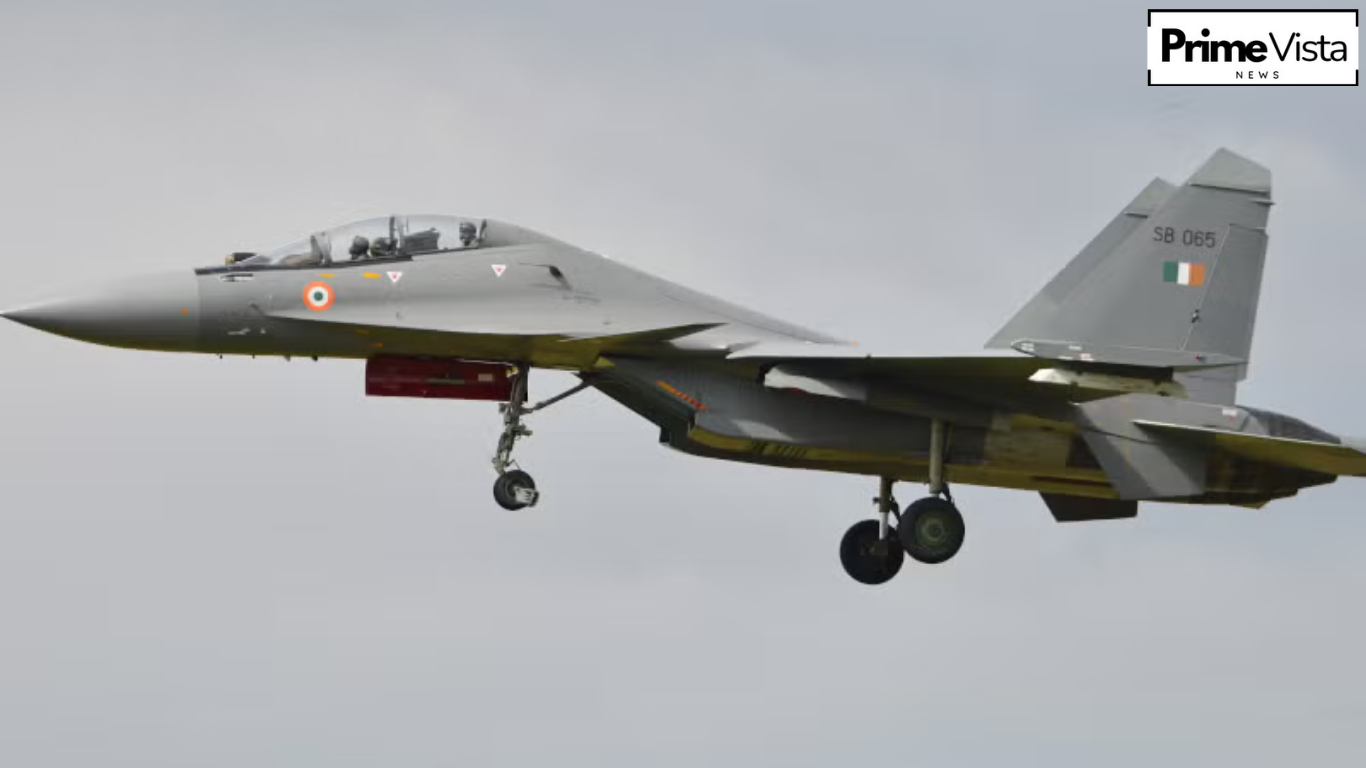
The Su-30MKI, a heavy twin-engine, twin-seat multirole fighter aircraft, forms the backbone of the Indian Air Force’s combat fleet.
Su-30MKI Fleet Overview
| Category | Details |
|---|---|
| Induction into IAF | 2002 |
| Sanctioned Fleet Strength | 272 aircraft |
| Aircraft Currently in Service | Around 260 |
| Operational Squadrons | 13 |
| Manufacturer in India | Hindustan Aeronautics Limited (HAL) |
Apart from operational squadrons, the aircraft is also used by specialised establishments such as the Tactics and Air Combat Development Establishment (TACDE).
In 2024, the Ministry of Defence placed an order worth ₹13,500 crore with Hindustan Aeronautics Limited (HAL) to manufacture 12 additional Su-30MKI aircraft, aimed at replacing aircraft lost due to attrition.
Development of the Su-30MKI
The Su-30 fighter aircraft originally entered service with the Russian Air Force in 1994.
Development of the India-specific Su-30MKI variant began in 2000, following an earlier agreement in 1996 to manufacture 140 aircraft, including 90 aircraft under licence production by HAL.
Later, in December 2000, India signed a deal for full technology transfer, increasing the total requirement to 272 aircraft.
Safety Record of the Aircraft
Despite occasional accidents, the Su-30MKI’s safety record in the Indian Air Force is generally considered good compared with several past and present combat aircraft.
Available data indicates that accidents involving the Su-30 fleet account for around one per cent of the total losses across all fighter aircraft operated by the IAF.
Major Su-30 Accidents Over the Years
The first major accident involving the aircraft occurred on April 30, 2009, when a Su-30 from No. 30 Squadron crashed in Rajasthan. Both pilots ejected, but one later died due to injuries.
Another accident took place in November 2009, when an aircraft from No. 31 Squadron crashed during a training sortie over the Pokhran range in Rajasthan after its engine caught fire. Both pilots ejected safely.
Subsequent accidents were reported during training missions in:
- December 2011
- April 2012
- February 2013
- October 2014
- May 2015
- March 2017
Some of these accidents were linked to technical issues, while others were attributed to human error.
A major incident in 2013 occurred during a night sortie over the Pokhran range, when live bombs failed to release from the aircraft and exploded while still attached to the pylons, damaging the aircraft and injuring the pilots, who survived after ejecting.
Fatal Crash in 2017
On May 23, 2017, the Indian Air Force lost two pilots from No. 2 Squadron when their aircraft crashed in dense forests in the northeast during a training mission.
The aircraft had taken off from Tezpur airbase and lost radar and radio contact with air traffic control at 11.10 am while flying in a two-aircraft formation.
Recent Incidents Involving the Fleet
Further incidents involving Su-30 aircraft were reported in:
- June 2018
- August 2019
- January 2023
- June 2024
Two of these occurred at HAL’s Nashik facility in Maharashtra, and the pilots managed to eject safely.
On January 28, 2023, a mid-air collision between a Su-30 and a Mirage-2000 during a training exercise near Gwalior resulted in the death of the Mirage pilot, while the two Su-30 pilots ejected with minor injuries.
Earlier Coverage : Two IAF Pilots Killed After Sukhoi-30MKI Fighter Jet Crashes in Assam’s Karbi Anglong During Training Mission !
Future Upgrades for the Fleet
The Su-30MKI is a large, long-range fighter aircraft capable of carrying more than 8,000 kilograms of weapons, including:
- Air-to-air missiles
- Air-to-surface missiles
- Anti-ship missiles
- Conventional bombs
The aircraft has also been modified to air-launch the BrahMos supersonic cruise missile.
The Defence Research and Development Organisation (DRDO) is currently working on a project to develop a new electronic warfare suite, for which two Su-30 aircraft will be modified for trials.
Super Sukhoi Upgrade Programme
Another major modernisation initiative, referred to as the “Super Sukhoi” programme, is also under consideration.
The Defence Acquisition Council has issued an Acceptance of Necessity (AoN) for the ₹60,000 crore upgrade project, which is expected to be carried out by HAL in collaboration with DRDO, industry partners and academia.
The upgrade could include:
- New engines
- Advanced avionics
- Electronic warfare systems
- Improved radar and navigation systems
- Structural life extension
Following these upgrades, the aircraft are expected to remain operational in the Indian Air Force until around 2060.