











Iran Missile Strike Hits Bahrain Oil Refinery Amid Escalating Middle East Conflict !
Prime Vista News
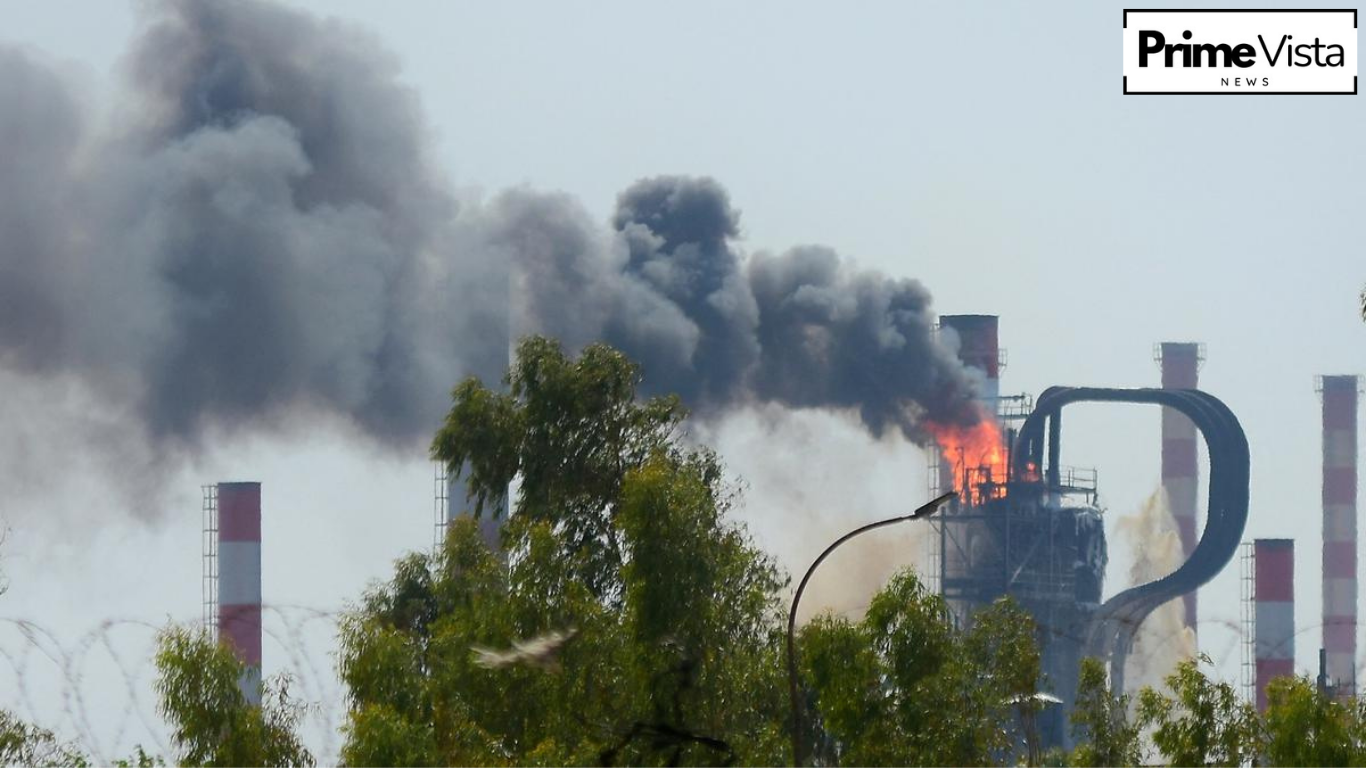
Iranian missile hits Bahrain’s state-run oil refinery as tensions escalate across the Middle East. The regional conflict spreads with drone attacks, naval clashes, and threats to global oil supply.
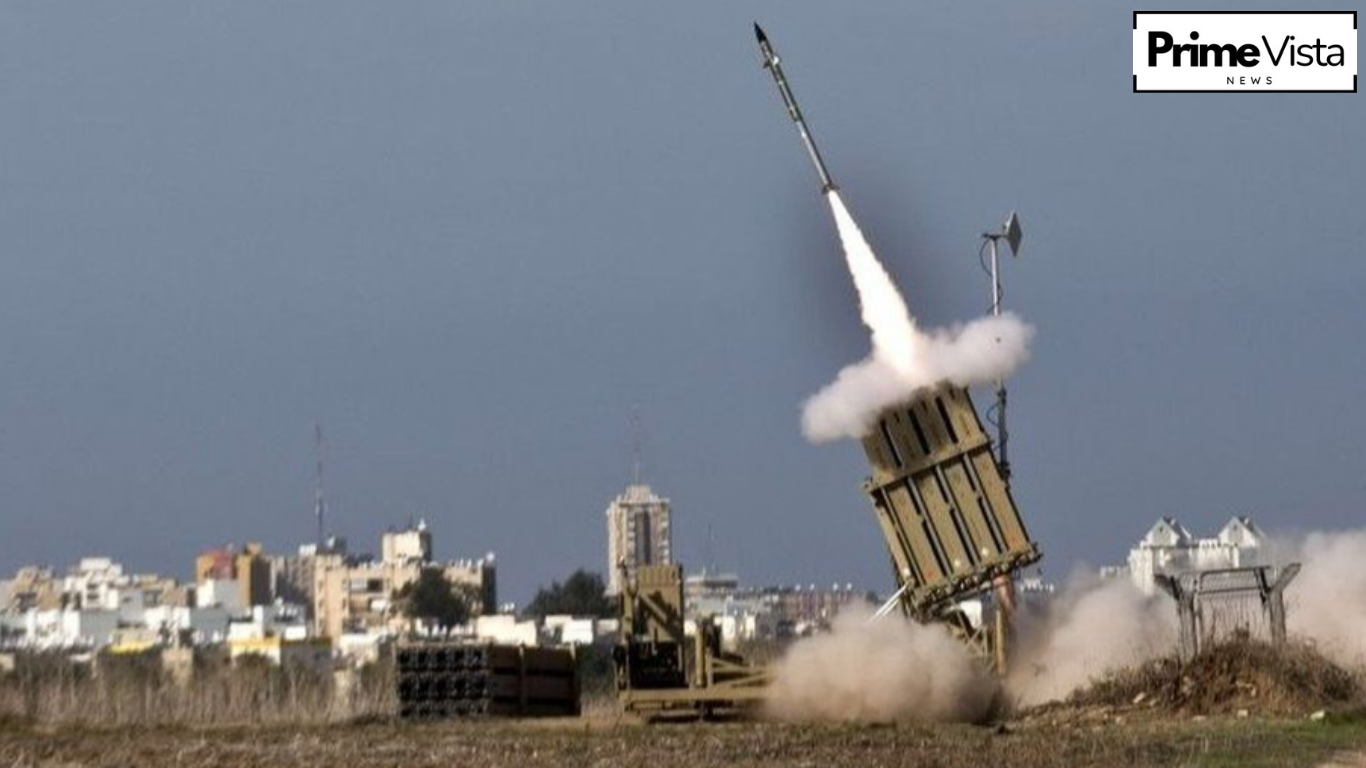
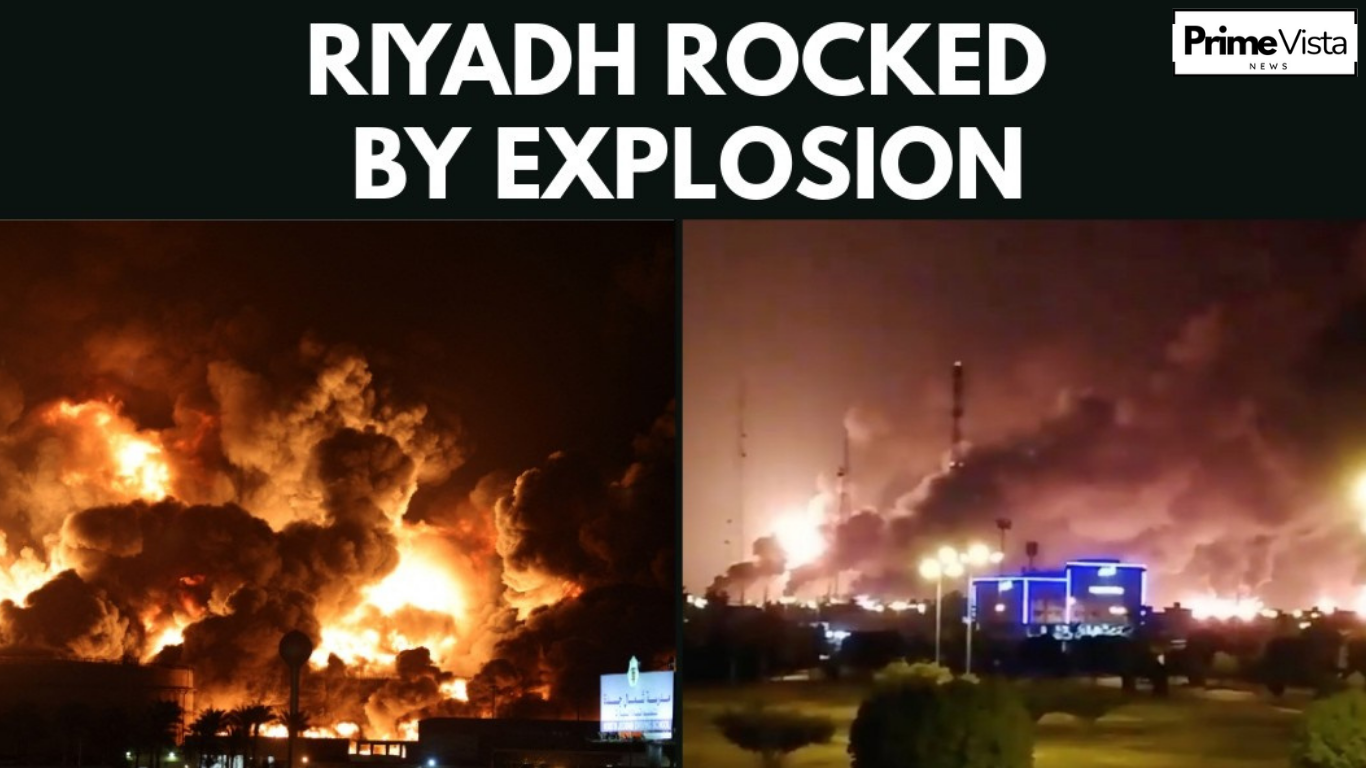
The ongoing conflict in the Middle East intensified further after Iran launched a missile strike targeting a major oil refinery in Bahrain, highlighting the rapidly widening scope of the war. Bahraini authorities confirmed that an Iranian missile struck a state-run oil refinery on Thursday night. While the attack triggered a fire at the facility, officials stated that the blaze was quickly extinguished and the refinery continues to operate. Fortunately, no casualties were reported.
The strike represents yet another attempt to target the region’s critical oil infrastructure, which forms the backbone of the Gulf economies. Oil facilities across the Middle East are considered highly sensitive assets due to their importance in global energy supply. Any disruption to these facilities has the potential to significantly impact international oil markets.
The missile attack occurred amid a broader escalation in hostilities between Iran, Israel, and the United States. Iran launched a fresh wave of attacks across the region on Thursday, targeting Israeli positions, American military bases, and other strategic locations. Tehran also issued strong warnings to Washington, saying the United States would “bitterly regret” its recent actions after the U.S. Navy sank an Iranian frigate earlier this week.
The conflict, which began less than a week ago, has expanded dramatically and is now affecting several countries across the Middle East and beyond. Reports indicate that the war’s ripple effects have already touched at least 14 nations. The rising tensions have increased fears of a broader regional war that could destabilize global markets and international security.
On Thursday, Azerbaijan accused Iran of launching drone attacks near the airport in Nakhchivan, a region bordering Iran. According to Azerbaijani officials, a drone crashed near the airport while another fell close to a school, injuring four airport workers. Azerbaijan’s President Ilham Aliyev condemned the incident as an act of aggression and stated that the military had been instructed to prepare retaliatory measures. However, Iran denied carrying out any drone strikes on Azerbaijani territory.
Meanwhile, Israel has continued its military operations against Iran and its allied forces. Israeli authorities issued a mass evacuation warning for residents of Beirut’s southern suburbs, an area known to be a stronghold of the Iran-backed Hezbollah militant group. The warning suggests that Israel may be preparing for intensified bombardment in the region.
United Nations peacekeepers stationed in southern Lebanon reported signs of escalating ground combat as Israeli troops crossed further into Lebanese territory. According to UN officials, clashes were observed near the border village of Kfar Kila, while explosions and airstrikes were reported in nearby towns including Khiyam. These developments indicate that the conflict is spreading beyond its original fronts and drawing additional actors into the fighting.
The United States has also intensified its military actions against Iran. Earlier in the week, the U.S. Navy sank the Iranian frigate IRIS Dena in waters near Sri Lanka. Iranian officials claim that the ship was carrying nearly 130 crew members and that at least 87 sailors were killed in the incident. Sri Lankan authorities confirmed that 32 crew members were rescued while several bodies were recovered from the sea.
Iran’s Foreign Minister Abbas Araghchi strongly condemned the incident, calling it an “atrocity at sea” and warning that the United States would face serious consequences for its actions. His remarks reflect the growing hostility between the two nations as the conflict deepens.
Iranian missile and drone strikes have also triggered alarms across several Gulf countries. In the United Arab Emirates, a drone was intercepted near the Al Dhafra Air Base, which hosts U.S. military forces. Debris from the drone fell to the ground, injuring six people. Qatar also reported a missile attack near its capital Doha, prompting authorities to temporarily evacuate residents living near the U.S. Embassy.
Saudi Arabia announced that it had successfully destroyed a drone in one of its provinces bordering Jordan. Bahrain’s defense ministry revealed that its air defense systems have intercepted dozens of Iranian projectiles since the conflict began, including 75 ballistic missiles and 124 drones.
The war has also begun to affect international shipping routes and global energy markets. A tanker reportedly came under attack near the coast of Kuwait, raising concerns about the safety of commercial vessels operating in the region. Since the conflict began, multiple incidents have been reported in the Gulf of Oman and the Strait of Hormuz one of the world’s most important oil transit routes through which roughly one-fifth of global oil supplies pass.
As tensions rise, oil prices have surged due to fears of potential supply disruptions. Energy analysts warn that continued attacks on oil infrastructure could lead to significant volatility in global markets.
The human cost of the conflict is also mounting rapidly. Officials report that at least 1,230 people have been killed in Iran since the fighting began. More than 100 people have died in Lebanon, while around a dozen fatalities have been reported in Israel. The United States has also confirmed the deaths of six American troops during the conflict.
Earlier Coverage : Watch: Axar Patel Runs Backwards, Pulls Off Stunning Catch To Dismiss Harry Brook !
Despite the growing casualties and widespread destruction, there are currently no clear signs that the conflict will end soon. Both sides continue to exchange strikes while expanding their military operations across the region. With multiple countries now affected and strategic infrastructure under threat, the situation remains highly volatile and unpredictable.
The missile strike on Bahrain’s refinery underscores the increasing risk to the Middle East’s energy infrastructure and highlights the possibility that the conflict could trigger wider economic and geopolitical consequences across the globe.