











5 Big Questions on US-Israel Attack on Iran Answered: What Triggered the Crisis and What Comes Next ?
Prime Vista News
A detailed explainer on the US-Israel military strikes on Iran, the killing of Ayatollah Khamenei, regional retaliation, casualties, legal debate in Washington, and global economic risks.
March 2026
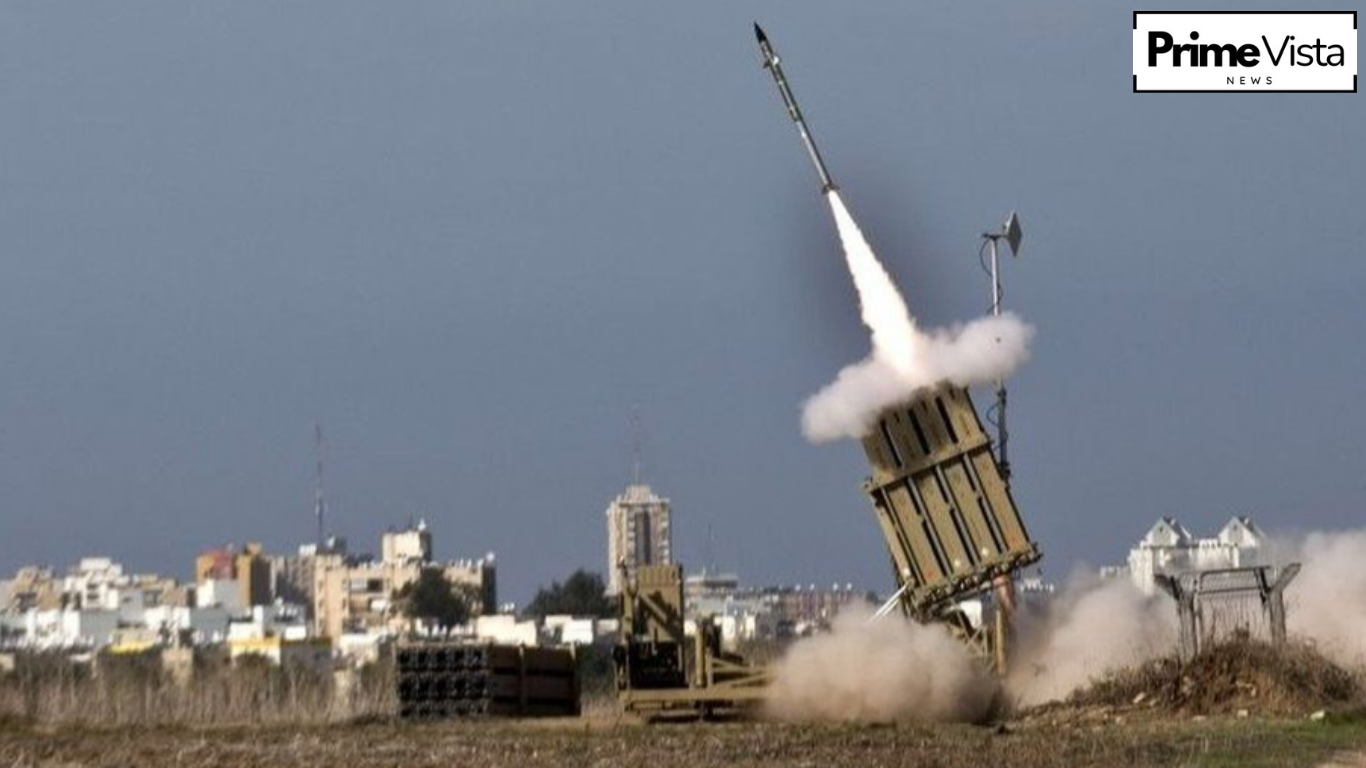
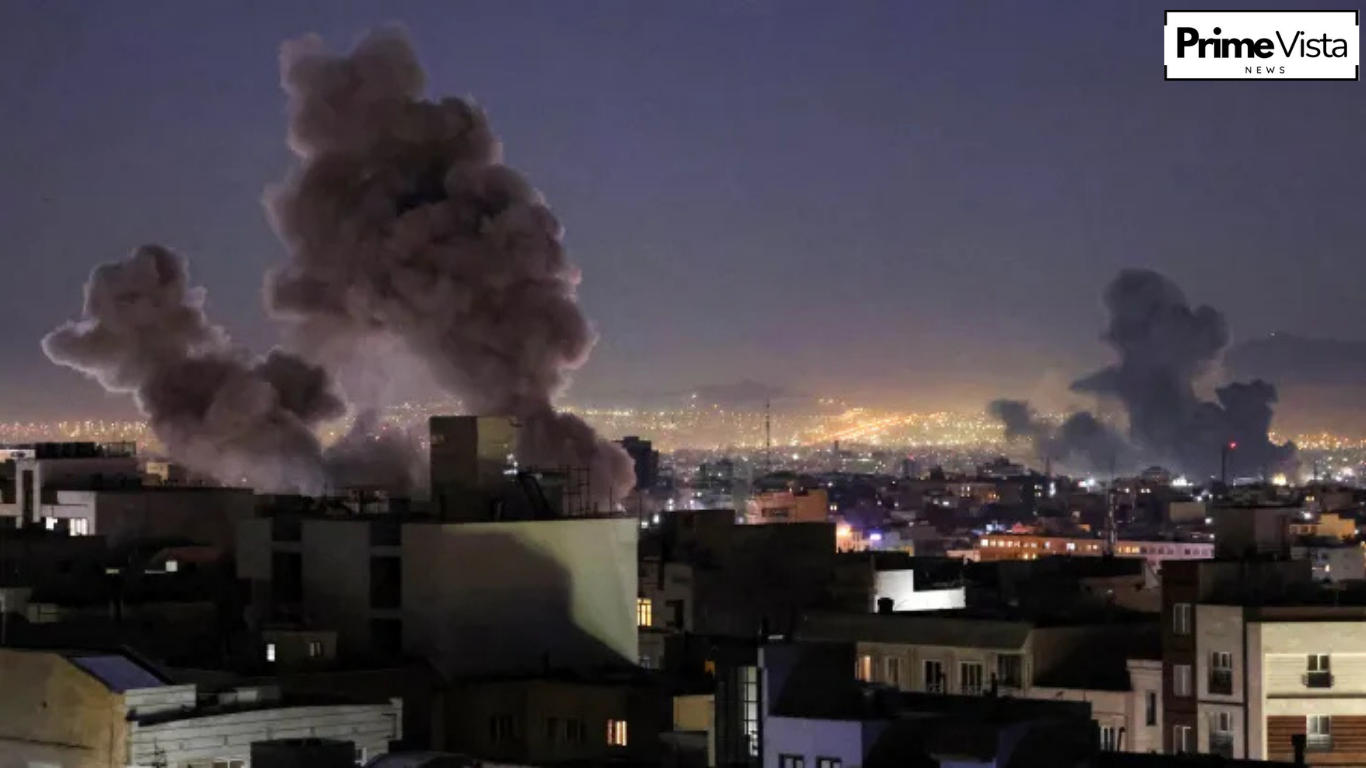
The United States and Israel have launched one of the most consequential military operations in the Middle East in decades, dramatically escalating tensions across an already volatile region. The coordinated strikes named “Epic Fury” by Washington and “Lion’s Roar” by Israel targeted Iranian military leadership, nuclear facilities, and missile infrastructure following the collapse of diplomatic talks over Tehran’s nuclear programme.
The reported killing of Iran’s Supreme Leader Ayatollah Ali Khamenei during the strikes marks an unprecedented moment in regional geopolitics, triggering immediate retaliation and raising fears of a broader conflict that could extend far beyond Iran’s borders.
Here are five key questions shaping global understanding of the crisis.
Why Did the US and Israel Attack Iran?
US officials have framed the operation as a pre-emptive security action, arguing that Iran’s nuclear enrichment programme was approaching weapons capability a claim Tehran continues to deny, insisting its nuclear activities remain peaceful.
Washington also cited Iran’s expanding ballistic missile programme and its long-standing support for armed groups across the Middle East, often referred to by US policymakers as the “Axis of Resistance.” These include organisations operating in Gaza, Lebanon, Iraq, and Syria that have previously engaged in confrontations affecting US forces and regional allies.
President Donald Trump, announcing combat operations, accused Iran of conducting an “unending campaign of bloodshed and mass murder targeting the United States,” framing the strikes as necessary to prevent future attacks.
Critics, however, argue that intelligence assessments surrounding Iran’s immediate nuclear threat remain contested, reviving long-running debates over pre-emptive military doctrine.
How Severe Are the Casualties?
Humanitarian agencies report heavy losses since the strikes began. Iran’s Red Crescent says more than 555 people have been killed across multiple cities following air and missile attacks on strategic locations.
US Central Command confirmed the deaths of three American service personnel, with five others injured in retaliatory strikes targeting US installations in the Gulf region.
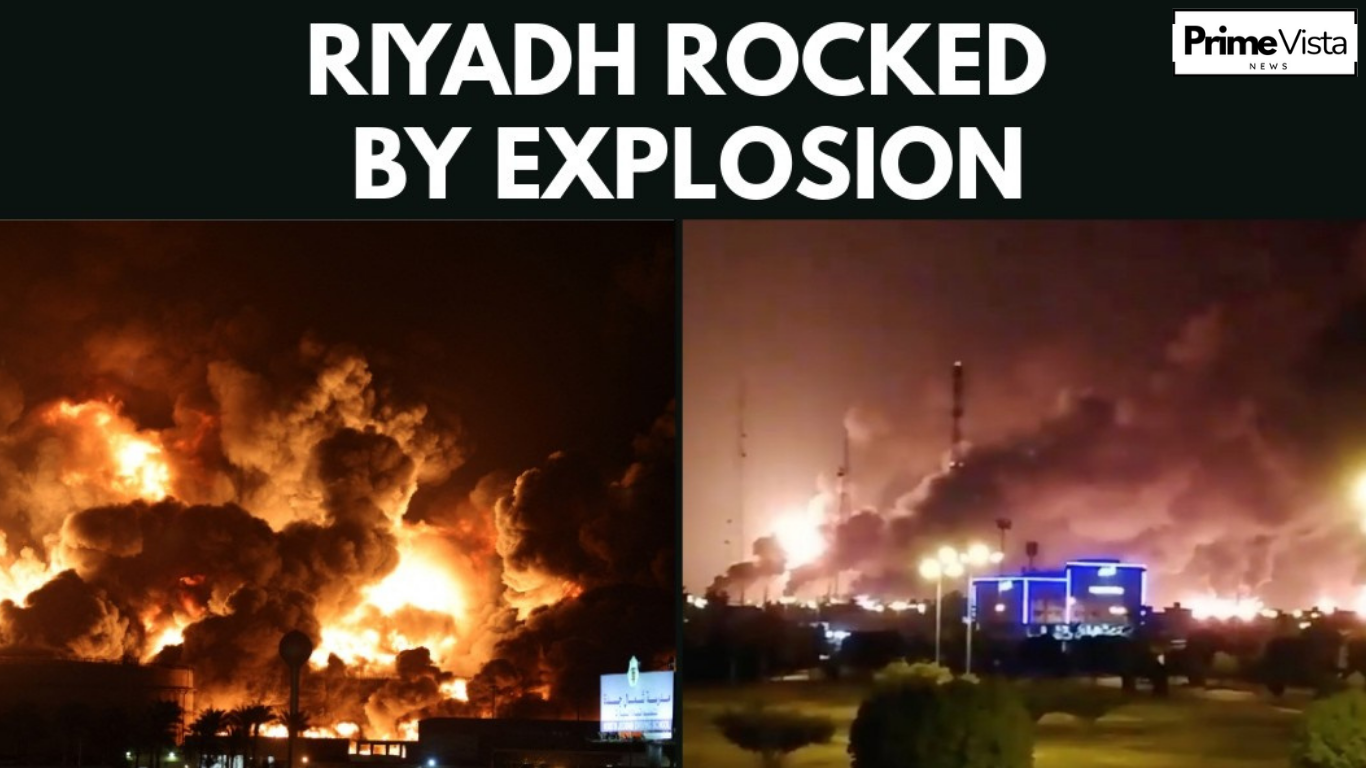
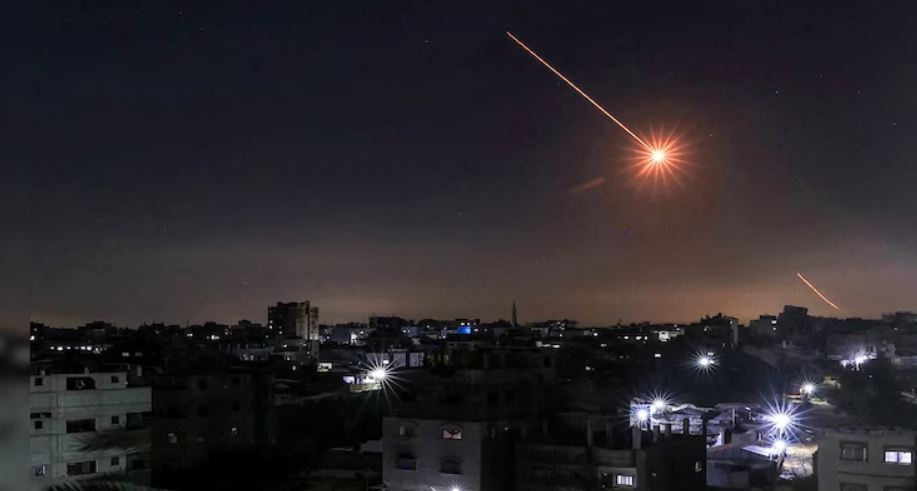
Iran’s response included missile attacks on US-linked facilities in Bahrain, Qatar, Kuwait, and the United Arab Emirates, where civilian casualties have also been reported, including fatalities in Abu Dhabi and Dubai.
The widening geographic spread of attacks has intensified fears that the conflict may evolve into a multi-front regional war.
What Actions by Iran Are Being Cited by Critics?
Western governments have long expressed concern over Iran’s uranium enrichment activities and missile development programmes, which have triggered years of sanctions and diplomatic standoffs.
Iran’s backing of armed regional groups has also remained a central point of contention. US officials argue that these networks enable indirect attacks on American interests, while Iranian authorities describe such alliances as legitimate regional partnerships aimed at deterrence.
Human rights organizations have additionally criticized Tehran for domestic crackdowns on protests and political dissent rhetoric now appearing prominently in US political justification for the operation.
Supporters of Iran counter that geopolitical rivalry, rather than verified imminent threats, largely drives Western military pressure.
Did the US President Have Legal Authority?
The strikes have ignited a constitutional debate inside the United States. Under Article I of the US Constitution, only Congress formally holds the power to declare war. However, presidents retain broad authority to initiate military operations under existing security frameworks.
Republican lawmakers have largely backed the administration’s decision, citing national security concerns. Democratic leaders, meanwhile, accuse the White House of bypassing congressional approval and are pushing for a renewed War Powers Resolution debate.
The disagreement highlights an enduring tension in US governance between executive military authority and legislative oversight.
Earlier Report : What Will AI Automate First? Anthropic CEO Says Coding Faces the Earliest Disruption ?
What Happens Next?
Financial markets reacted immediately to the escalation. Oil prices surged nearly 9 percent, while investors shifted toward safe-haven currencies such as the Swiss franc. Shipping data indicates that over 150 oil and LNG tankers halted movement near the Strait of Hormuz one of the world’s most critical energy chokepoints.
Any prolonged disruption could significantly affect global energy supply chains and inflation worldwide.
Diplomatic pressure is now mounting for a ceasefire, but alliances across the Middle East appear increasingly strained. Analysts warn that continued retaliation risks drawing Gulf states, regional militias, and major global powers deeper into confrontation.
For now, the situation remains fluid with military, political, and economic consequences unfolding simultaneously.